
Causes and obd code P2630
From my years in the garage and flipping through more service manuals than I care to admit, here’s what usually brings on a p2630 code:
- The O2 sensor itself (Bank 2, Sensor 1) has gone bad or is just plain tired out-this is what I see most often.
- Wiring gremlins-think corroded connectors, broken wires, or a plug that’s worked itself loose in the sensor circuit.
- Once in a blue moon, the engine control module (ECM) is the real troublemaker. Rare, but it happens.
- Exhaust leaks right by the sensor-these can give the sensor false readings and really throw off your diagnostics.
- Gunked-up sensors from coolant or oil leaks-contamination like this can mess things up fast.
In almost every case, it’s the sensor or the wiring. But I never swap parts until I’ve checked every angle. Saves time, money, and headaches later on.
Symptoms and P2630 code
If you’re staring down a p2630 code, here’s what you might notice. The check engine light-yep, that’s almost always the first sign. Sometimes, your engine might feel a bit rough, or you’ll spot your gas mileage dropping off. Ever hit the gas and feel a stumble or hesitation? That could be tied to this too. In bad cases, your car might even flunk its next emissions test. But here’s the kicker: sometimes everything feels fine and that little warning light is your only clue that something’s brewing under the hood.

Diagnosis and P2630 engine code
This is how I go about tracking down a p2630, step by step:
- First thing I do is hook up the scan tool and check for any other codes. Sometimes, you get a story instead of just a single clue.
- Next, I get hands-on and inspect the O2 sensor and its harness on Bank 2, Sensor 1. I’m looking for chafed or broken wires, corroded terminals, or a connector that’s barely hanging on. Don’t skip checking for exhaust leaks nearby-they can play havoc with readings.
- Once the visual’s done, I’ll pull out the multimeter to test for proper voltage and ground at the sensor connector. If you’re comfortable with a meter, you can do this too, but take your time-missing a bad ground or a tiny voltage drop is easy if you’re rushing.
- If things are still pointing to the sensor, I’ll use the scan tool to watch the sensor’s live data. Flatline readings or zero reaction as the engine warms? That’s usually a dead sensor staring you in the face.
- If I’m still chasing the ghost, I’ll dig into the ECM connections, and on rare occasions, test the ECM itself. But honestly, nine times out of ten, you’ll find the problem in the sensor or the wiring.
Pro tip: have a buddy lend a hand if you’re crawling under the car or poking around with wiring-two sets of eyes are better than one when you’re hunting down intermittent faults.
Common Mistakes with P2630
A classic mistake I see is folks yanking out the O2 sensor and popping in a new one without even glancing at the wiring or connectors. Another one? Overlooking those pesky exhaust leaks-those can make even a brand-new sensor look bad. And don’t forget, after you fix anything, always clear the code and see if it returns before calling it done. Skipping these steps just wastes time and money, trust me.

Seriousness of dtc P2630
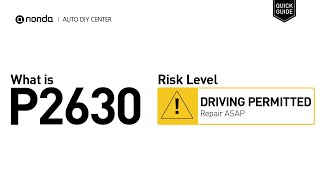
Let me be straight with you-don’t ignore a p2630 code. If you let it slide, your engine could end up running too lean or too rich, which is a fast track to a fried catalytic converter. That’s not a cheap fix. You could also see rough running, poor performance, or even fail emissions. Problems like these rarely get better on their own, so the sooner you jump on it, the less you’ll spend in the long run.
Repair Solutions for P2630 trouble code
Here’s what usually takes care of this one, based on what I’ve seen in the bay and what the books recommend:
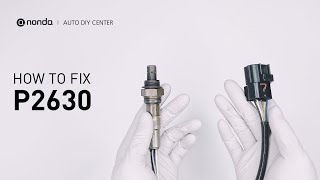
- Swapping out the O2 sensor on Bank 2, Sensor 1-that’s the fix most of the time.
- Repairing or replacing any chewed-up wiring or sketchy connectors in the circuit.
- Sealing up any exhaust leaks near the sensor-sometimes a simple gasket or clamp is all it takes.
- In those rare cases, replacing or reprogramming the ECM if it’s actually at fault.
After any repair, don’t forget to clear the code and take the car for a spin to make sure you nailed the fix.
Conclusion
If you’ve got a p2630, your engine isn’t getting the right data from one of its oxygen sensors-and that can snowball into bigger issues if you let it go. Start by checking the sensor and its wiring, since they’re almost always where the trouble lies. Don’t drag your feet on this one; a quick repair now could save you a world of trouble down the road. Nine times out of ten, it’s a sensor or wiring repair, but always double-check before you throw parts at the problem. That’s how you keep your ride running strong and dodge those wallet-busting repairs later on.

 5980
5980 5 minutes of reading