
Causes of P2631 trouble code
From what I’ve seen in the shop and based on the official data, the most common reasons for a P2631 code are:
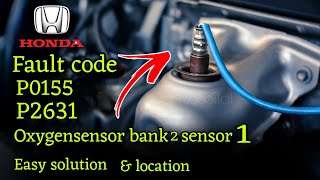
- A faulty O2 sensor (Bank 2 Sensor 1) - this is the most frequent culprit.
- Wiring issues, like damaged insulation or corroded connectors in the sensor circuit.
- Problems with the engine control module (ECM) itself, though that’s pretty rare.
- Shorts to voltage or ground in the sensor’s wiring harness.
- Aftermarket parts or previous repairs that weren’t done to OEM specs can sometimes cause this, too.
Most often the issue is with the sensor or its wiring, so that’s where I recommend starting your checks.
Symptoms and obd code P2631
Whenever this code pops up, there are usually a few tell-tale signs. The check engine light? That’ll almost always light up. You might notice the engine running rough, a dip in your gas mileage, or sometimes even catch a whiff of raw fuel coming out the exhaust. Don’t be fooled if the car seems fine-sometimes, that’s how these sensor issues sneak by. But trust me, ignoring it only leads to bigger headaches with your emission system down the line.

Diagnosis process for P2631 engine code
Here’s how I usually tackle a P2631 code:
- First, I always start by checking for any other codes. Sometimes, another issue can trigger this one.
- Next, I visually inspect the O2 sensor on Bank 2 Sensor 1 and its wiring. Look for frayed wires, loose connectors, or signs of corrosion. It’s better to have someone wiggle the harness while you watch for changes.
- Then, I use a scan tool to monitor live data from the sensor. If the readings are way off or not changing at all, that’s a big clue.
- After that, I’ll check the sensor’s circuit with a multimeter, following the pinpoint test steps from the service manual. Make sure there’s no short to ground or power, and that the sensor is getting the right voltage from the ECM.
- If everything checks out but the code keeps coming back, I’ll swap the sensor with the one from Bank 1 (if possible) to see if the problem follows the sensor. That’s a surefire way to confirm if the sensor itself is bad.
Don’t forget to check for TSBs or updated procedures-sometimes the manufacturer has special instructions for this code.
Common mistakes with obd2 code P2631
A classic mistake I see is folks rushing out to replace the O2 sensor without ever looking at the wiring or connectors first. Another one? Overlooking corrosion inside the connector-sometimes it’s tucked away where you can’t see, but it’ll drive you nuts with intermittent problems. Skipping the detailed pinpoint tests from the service manual is another one I see all the time. Guessing at parts and hoping for the best just burns through cash and wastes time.

Seriousness of P2631
Let me be clear: this isn’t a code you want to ignore. Keep driving long enough with p2631 hanging around, and you risk the engine running too rich or too lean. That’s a fast track to destroying your catalytic converter-and those aren’t cheap. Worst case, you might even find yourself stalled out in traffic. Failing your next emissions test is the least of your worries if this goes unchecked. Tackle it before it causes a chain reaction of expensive repairs.
Repair solutions for P2631 code
When I’m in the bay dealing with this code, here’s what actually solves it:
- Swap out the O2 sensor on Bank 2 Sensor 1 for a genuine OEM part-don’t cut corners with cheap knockoffs.
- Carefully inspect and repair or replace any damaged wiring or connectors you find in the sensor’s circuit.
- Clear the code, then run a proper drive cycle to confirm it doesn’t return.
- On rare occasions, if every other fix fails, you could be looking at ECM reprogramming or replacement-but that’s almost always the last thing to try.
My advice? Don’t spend a dime on parts until you’ve done a thorough inspection. Nine times out of ten, that’s where you’ll find the real issue.
Conclusion
To wrap things up, p2631 means your car’s computer isn’t happy with the O2 sensor’s current trim circuit on Bank 2 Sensor 1. Ignore it, and you’re setting yourself up for bigger (and pricier) problems. Always start with a careful look at the sensor and wiring, follow the diagnostic steps straight from the manual, and only replace what you know is faulty. Jump on it early, and you’ll save yourself a world of hassle, not to mention keep your car running strong and clean.
 6384
6384 5 minutes of reading