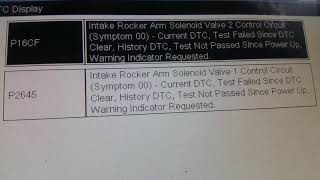
Alright, let me break down what P2645 means for you. This code pops up when there’s a problem with the control circuit for the rocker arm actuator or oil control valve on Bank 1 of your engine. Basically, this system helps your engine adjust how much the intake valves open and for how long, which is key for performance, fuel economy, and emissions. Different brands call it slightly different things-Cadillac, Chevrolet, and GMC refer to it as the intake rocker arm actuator solenoid circuit, Honda calls it the rocker arm actuator 'A' control circuit, and Toyota links it to the oil control valve for their variable valve timing and lift system (VVTL-i). But the big idea is the same: the engine computer uses an electrically controlled valve to manage oil flow, which in turn changes how the intake valves work. If the circuit isn’t working right, the computer can’t control valve timing or lift properly, and that’s when you get this code.
DTC P2645
 5315
5315 6 minutes of reading
Causes and dtc P2645
From experience, the most common culprits behind a p2645 code are pretty consistent across brands, though there are a few brand-specific quirks. Here’s what I usually see:
- A faulty rocker arm actuator solenoid or oil control valve (these can stick, fail electrically, or get clogged with debris)
- Wiring harness issues-open circuits, shorts to ground or power, or damaged connectors
- Poor electrical connections, like corroded or loose pins at the actuator or control module
- For Honda in particular, low, overfilled, or incorrect engine oil is a big one-this system is very sensitive to oil quality and level
- For Toyota, a bad oil pressure sensor can also trigger this code
Most often the issue is with the actuator solenoid itself or the wiring right at the connector. But don’t rule out oil problems, especially on Honda and Toyota engines.
Symptoms and obd2 code P2645
When this code is active, you’ll usually notice the check engine light on your dash. Sometimes that’s the only thing you’ll see, especially if the problem is just starting. But in a lot of cases, you might also feel rough idling, hesitation, or a loss of power-especially at higher RPMs when the system should be adjusting valve lift. On some cars, you might even notice worse fuel economy or sluggish acceleration. If it gets bad enough, the engine might go into a limp mode to protect itself. I’ve seen cars where it just feels like the engine is holding back, and that’s a big clue.

Diagnosis and obd code P2645
Let me walk you through how I chase down a p2645 code, step by step. I always tell folks-start simple and don’t jump to conclusions:
- First step, always: check your engine oil. Is it at the right level? Is it clean, and is it the right spec for your engine? If it’s dirty, too low, or overfilled, swap it out. Especially with Hondas and Toyotas-these engines are picky about oil.
- Next, get your eyes on the wiring harness and connectors at the rocker arm actuator or oil control valve. Look for broken or frayed wires, corrosion, bent pins, or anything that just looks off. Sometimes, wiggling the connector will show you a loose contact you might’ve missed.
- If everything looks solid visually, grab a multimeter. With the key on, check for battery voltage at the power wire and a solid ground on the other side of the actuator connector.
- Got access to a scan tool? Command the actuator on and off and see if it actually responds. If it’s dead, odds are the actuator’s toast.
- On Toyotas, don’t overlook the oil pressure sensor. I’ve chased my tail more than once before realizing that was the root of the trouble.
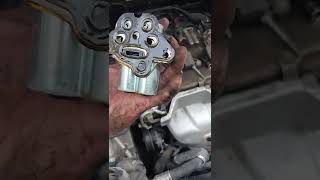
- If you’re handy, you can pull the actuator solenoid and see if it’s gummed up with sludge. If it’s sticky or not moving freely, give it a good clean, but if it’s stubborn, replace it.
If you’re new to wrenching, have someone lend a hand, and always disconnect the battery before unplugging stuff around the engine. Saves you from a world of headaches.

Common Mistakes with P2645
A classic mistake I see all the time: folks go straight for a new actuator solenoid before even glancing at the oil or the wiring. That’s a quick way to spend money you don’t need to. Another one-especially on Hondas-is using the wrong oil or not checking the oil at all. I can’t stress enough how picky some of these systems are about oil. Skipping a close look at the wiring is another error; I’ve fixed more than a few by just cleaning up a crusty connector. Oh, and don’t forget to look up Technical Service Bulletins (TSBs) for your ride. Sometimes the factory’s already figured out the fix for you.

Seriousness of P2645 engine code
Let me be blunt: this isn’t a code you want to ignore. If you let a p2645 slide, you’re risking not just poor performance and higher emissions, but possibly some major engine damage. The whole system relies on smooth oil flow and spot-on electrical control-mess that up, and you could end up with a worn camshaft, chewed-up rocker arms, or in worst cases, total engine failure if that oil passage blocks up. Things can go sideways fast if you drag your feet, so get on top of it before it’s too late. Trust me, you don’t want to be stranded with this one.
Repair Tips for P2645 code
Here’s a rundown of what’s fixed p2645 for me time and again:
- Swap out the rocker arm actuator solenoid or oil control valve if it’s stuck, clogged, or just plain dead
- Repair or replace any sketchy wiring or connectors at the actuator-don’t just tape it up, do it right
- Change the engine oil and filter, making sure you’re using the exact type and amount your car calls for (this is huge for Hondas and Toyotas)
- On Toyotas, a bum oil pressure sensor can be the villain-replace that if needed
- After repairs, clear the code and take the car for a spin to make sure the fix holds
Pro-tip from the garage: always start with the basics-oil and wiring-before you pull out your wallet for new parts. If something feels off, don’t hesitate to get a second set of eyes on your work.
Conclusion
Here’s the bottom line: P2645 means the circuit that controls your engine’s variable valve timing (or lift) isn’t happy. Don’t brush it off-it can snowball into much bigger (and costlier) problems if you do. Always check your oil and wiring first, then move on to the actuator if you have to. In my shop, most of these are fixed with a new actuator or a little wiring TLC, but oil issues are sneaky and common. Jump on it early, and your engine will thank you for years to come.