
Causes and dtc P2648 troubleshooting
From what I see most often in the shop, the usual suspects for a P2648 code are:
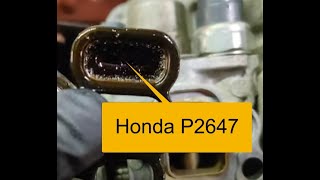
- A faulty rocker arm actuator solenoid (or VTEC oil control solenoid on Honda)
- Wiring issues-like broken, shorted, or corroded wires in the solenoid’s harness
- Bad electrical connections at the solenoid plug (sometimes the pins get bent or pushed out)
- For Honda, low engine oil level, dirty oil, or poor oil pressure can trigger this code, so don’t overlook basic maintenance
In my experience, electrical problems and a worn-out solenoid top the list, but oil issues are a big deal on Honda.
Symptoms of a P2648 code
If you’re driving with a P2648 code active, here’s what you’ll likely notice:
- The check engine light will be on-sometimes it’s the only sign
- You might feel the engine running rough or lacking power, especially during acceleration
- On Honda models, the VTEC system might not engage, so the engine feels sluggish at higher RPMs
- Sometimes there’s no obvious symptom other than the warning light, but don’t let that fool you-there’s still a problem lurking

Diagnosis with obd code P2648
Here’s how I tackle a P2648 code step by step:
- First, I always check the engine oil level and condition-especially on Honda. Low or dirty oil can mess with the system.
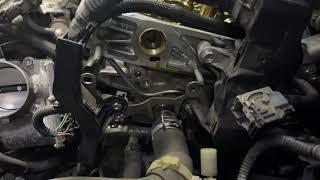
- Next, I visually inspect the wiring harness and connectors at the rocker arm actuator solenoid (or VTEC solenoid). Look for damaged wires, loose plugs, or corrosion. It’s best to have someone help wiggle the harness while you watch for changes.
- Then, I test the solenoid itself by unplugging it and checking resistance with a multimeter. If it’s out of spec, it’s likely bad.
- If the wiring and solenoid seem fine, I check for voltage at the connector while the engine is running. No voltage means there’s a problem upstream-possibly with the engine computer or relay.
- On Honda, I also check oil pressure if everything else looks good, since poor pressure can cause this code.
Don’t forget to inspect the connector pins closely-they can get bent or pushed out, causing intermittent contact.
Common mistakes when repairing a P2648 engine code
I’ve seen folks jump straight to replacing the solenoid without checking the wiring or oil condition. That’s a surefire way to waste money. Another common slip-up is ignoring the oil level and quality on Honda engines-dirty or low oil can absolutely set this code. Skipping a careful inspection of the connectors and harness is another mistake; sometimes the fix is as simple as cleaning or tightening a plug.

Seriousness of a P2648 fault
This isn’t something you want to ignore. If the system can’t control valve timing and lift, you risk poor engine performance, higher fuel consumption, and in some cases, engine damage from improper lubrication or timing. Things can go south quickly if you keep driving with this issue-especially if it’s caused by low oil pressure. You could end up with damaged camshafts, rocker arms, or even catastrophic engine failure. Don’t put this off for later.
Repair procedures for obd2 code P2648
Here’s what usually fixes a P2648 code:
- Replace the faulty rocker arm actuator solenoid (or VTEC oil control solenoid for Honda)
- Repair or replace damaged wiring and connectors in the solenoid circuit
- Top off or change engine oil if it’s low or dirty-especially important for Honda
- On rare occasions, repair or replace the engine control module if it’s not sending the right signals
I recommend starting with the simple stuff-oil and wiring-before moving to parts replacement.


Conclusion
To sum it up, P2648 means your engine’s valve timing system isn’t working right, usually due to a solenoid or wiring problem, and sometimes oil issues on Honda. It’s a moderate to serious risk-performance suffers, and bigger damage can follow if ignored. The best way forward is to check oil and wiring first, then test the solenoid. Prompt attention and a careful diagnostic approach are the keys to keeping your engine healthy and avoiding costly repairs.

 5664
5664 5 minutes of reading