
Main Causes of obd2 code P2658
In my experience, there are a handful of usual suspects when P2658 rears its head. Here’s what I’ve seen in the bay time and time again:
- Low engine oil level or oil that’s past its prime-VTEC systems live and die by oil quality and pressure.
- A malfunctioning VTEC oil control solenoid (also called the rocker arm oil control solenoid)-if it’s jammed, gummed up, or the internal electronics are shot, you’ll see this code pop up.
- Wiring faults or sketchy electrical connections at the VTEC solenoid-corrosion under the insulation, broken wires, or even a connector that’s just barely hanging on can cause all sorts of headaches.
- ECM/PCM issues-these are rare, but if the module isn’t sending or receiving the right signals, it’s something you can’t rule out.
- A failed VTEC oil pressure switch or sensor-if it isn’t reading correctly, the whole system thinks there’s an oil pressure problem, even if there isn’t.
Honestly, nine times out of ten, I’m dealing with oil issues or a tired solenoid, but don’t sleep on wiring problems-they’re more common than you’d think.
Recognizing Symptoms of P2658
When your car throws this code, the first thing you’ll probably see is the check engine light glaring at you. But that’s just the start. Sometimes, you’ll notice the engine feels gutless, especially when you’re trying to get into the higher revs-because the VTEC isn’t making the switch to its performance mode. You might also feel the engine stumble, hesitate, or just run rough. Oddly enough, some cars show almost no drivability issues, but if you let this go, you’re gambling with bigger and pricier problems down the line.

Step by Step dtc P2658 Diagnosis
Let me walk you through how I approach diagnosing P2658. First up-keep it simple. I always start by checking the engine oil: level and condition. If it’s dirty or low, you’ve likely found your culprit. Next, I zero in on the VTEC solenoid and its wiring. Get in there and look for any obvious damage, corrosion, or loose plugs. Here’s a pro-tip from the garage: have someone gently wiggle the harness while you watch for any hiccups or changes in readings. After that, I’ll use a multimeter to check the solenoid’s resistance, and if I can, I’ll bench test it by applying power to see if it clicks as it should. Don’t overlook the VTEC oil pressure switch-make sure it isn’t stuck or sending bogus signals to the ECM. If everything checks out so far, only then do I move on to scanning the ECM/PCM for codes or signal issues. Always, always check those connectors for bent or pushed-out pins before you start replacing parts. It’s a small detail, but it saves a ton of headaches.
Common Mistakes When Fixing obd code P2658
A classic mistake I see is folks running out and swapping the solenoid right away, without ever checking the oil level or condition. Another one? Skipping over the wiring harness. Sometimes, all that’s wrong is a broken wire or a crusty connector, but people go spending money on parts they don’t need. And I can’t count how many times I’ve seen someone forget to check the oil pressure switch-it’s a little thing, but it can wreak havoc if it’s acting up. Visual inspection is your friend-don’t skip it.

How Serious is the P2658 engine code
Let me be real-you don’t want to ignore this one. If your VTEC system’s not working, your engine isn’t running at its best, and you risk doing some real damage if oil pressure is low or the oil’s filthy. I’ve seen folks keep driving with this problem and end up with wiped-out camshafts, damaged rocker arms, or even a fried ECM/PCM. Things can get expensive fast. Bottom line: fix it before it costs you way more in repairs.
How to Repair the P2658 code
When it comes to fixing P2658, the process is straightforward, but you’ve got to be thorough. Always start by changing out the engine oil and filter if they’re dirty or low. Next, check and repair any suspect wiring or connectors at the VTEC solenoid and the oil pressure switch-sometimes it’s as simple as cleaning a connector or fixing a wire. If the solenoid is toast, go with a new OEM part-aftermarket can be hit or miss. Replace the oil pressure switch if it’s not up to snuff. Only in rare cases will you have to mess with the ECM/PCM, and that’s a last resort after everything else checks out.


Conclusion
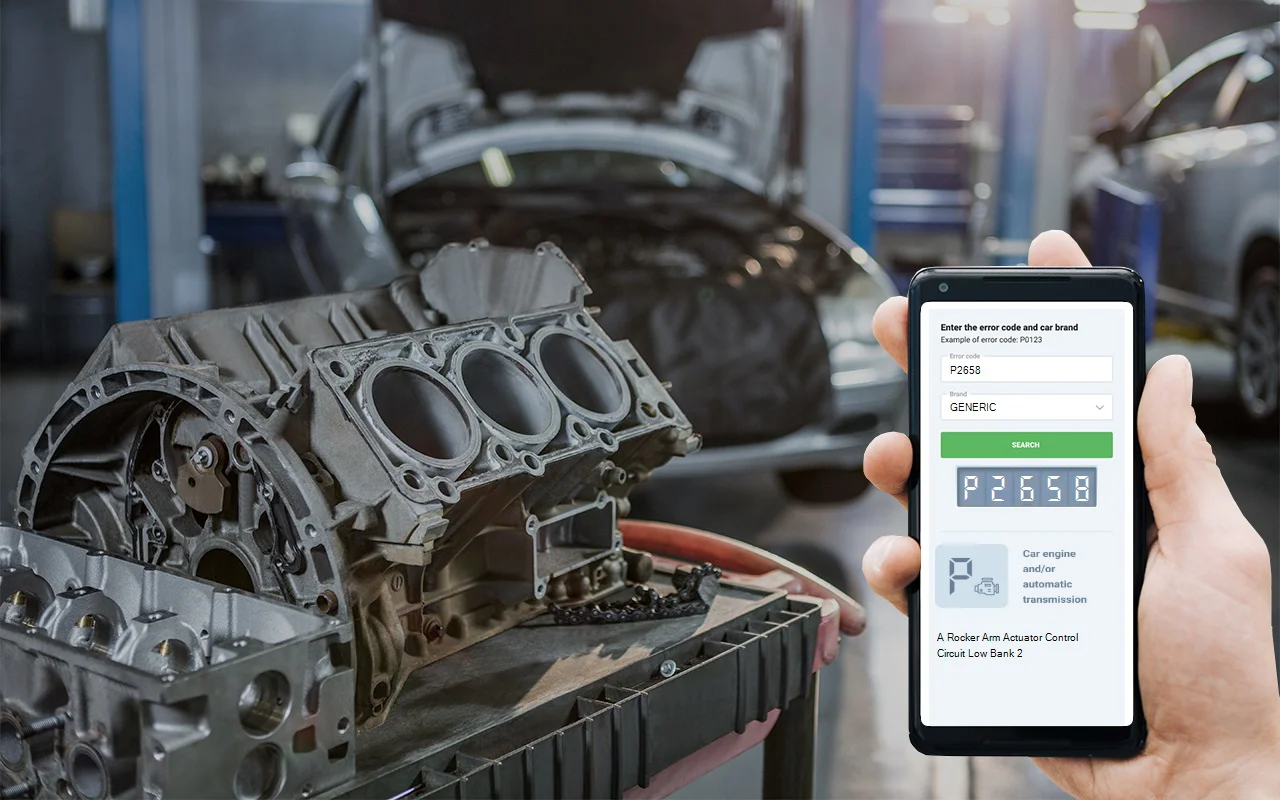
So here’s the bottom line: when you see P2658, you’re dealing with a VTEC oil control solenoid circuit problem, usually on bank 2. Most of the time, it comes down to oil issues, a failing solenoid, or wiring gremlins. If you let it ride, you risk serious engine damage and a big hit to performance. My advice? Always start with oil and wiring checks, then move to testing and replacing the solenoid or oil pressure switch if needed. Act quickly, and you’ll keep your engine healthy-and your wallet out of the repair shop.
 4837
4837 6 minutes of reading