
Causes of P2671 engine code
From what I’ve seen in the field and what the official manuals say, the most common reasons for a P2671 code are:
- A short to power in the wiring harness for the Shared High Side Drive #2 circuit. This is usually from damaged, pinched, or melted wires.
- A faulty GEN III controller itself-sometimes the internal driver fails.
- Corroded or loose connectors at the controller or along the circuit path.
- Water intrusion or contamination in the harness or connectors.
Most often, the issue is with the wiring or connectors rather than the controller, but I’ve seen both happen. In some models, such as Ford, Renault, or Toyota, the complexity of the harness design can make these issues more common.
Symptoms of dtc P2671
If you’re wondering what to look for, there are a few tell-tale signs when this code is active. First and foremost, that dreaded check engine light will usually make an appearance. Depending on exactly what the circuit controls in your particular ride, you might notice the engine running rough, the transmission shifting oddly, or in some cases, the vehicle may not even start. Every once in a while, you’ll only see the warning light with no other warning signs, but don’t get lulled into a false sense of security-ignoring it can turn a small hiccup into a major headache down the road.

Diagnosis steps for P2671 trouble code
Here’s how I usually tackle a P2671 code:
- First, I always start by checking for any other codes that might be stored. Sometimes, this code is just the tip of the iceberg.
- Next, I visually inspect the wiring and connectors for the Shared High Side Drive #2 circuit. I’m looking for any signs of damage, corrosion, or loose connections. It’s best to have someone wiggle the harness while you watch for changes or intermittent faults.
- Then, I use a multimeter to check for voltage at the circuit when it’s supposed to be off. If there’s voltage present, that’s a big clue there’s a short to power somewhere.
- If the wiring and connectors look good, I’ll disconnect the controller and check for continuity between the circuit and power. If there’s continuity, you’ve got a short in the harness.
- If everything checks out up to this point, the problem might be inside the controller itself. At that stage, I recommend following the OEM pinpoint tests to confirm before replacing any expensive parts.
Don’t forget to double-check any repairs by clearing the code and seeing if it comes back after a test drive. Using a scan tool or obd2 device can help confirm your results.
Common mistakes when fixing P2671
If there’s one thing I see over and over in the shop, it’s folks jumping straight to replacing the controller before giving the wiring a real look. That’s a pricey move you don’t want to make unless you’re sure. Another classic mistake is ignoring connectors; sometimes all it takes is a little corrosion or a loose pin to throw the whole system off. I can’t tell you how many times a simple cleaning and reseating has fixed what looked like a major problem. Skipping the voltage check with a multimeter is another big miss-without that, you’re just guessing. Trust me, you want to confirm the short before you swap out any parts.

Seriousness of P2671 code
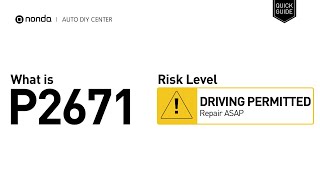
Let me be blunt: this isn’t a code you want to leave for later. When that circuit is shorted to power, all sorts of strange things can start happening-think engine misfires, transmission acting up, or even sudden stalling. In the worst-case scenario, you could find yourself stranded or facing a much bigger repair bill from collateral damage. I’ve seen situations spiral quickly when this gets ignored, so as soon as you see P2671, make it a priority to track down the cause.
Repair steps for obd2 code P2671
Here’s what usually fixes a P2671:
- Repairing or replacing any damaged wiring or connectors in the Shared High Side Drive #2 circuit.
- Cleaning and reseating connectors if you find corrosion or water intrusion.
- If the wiring and connectors are perfect but the problem persists, replacing the GEN III controller may be necessary-but only after confirming with OEM tests.
It’s best to start with the simple stuff before moving on to the expensive parts.

Conclusion
So, to wrap things up, P2671 is your vehicle’s way of letting you know there’s a voltage issue lurking in a key control circuit. Most of the time, you’re dealing with a wiring or connector problem, but sometimes the controller is the culprit. Don’t be tempted to let this one slide-ignoring it can snowball into much bigger headaches. The smartest approach is to start with a close inspection of the wiring and connectors, and only consider the controller after you’ve ruled everything else out. Jump on this quickly, and you’ll keep your car running smoothly and avoid bigger trouble down the line.
 4624
4624 5 minutes of reading