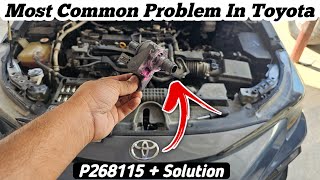
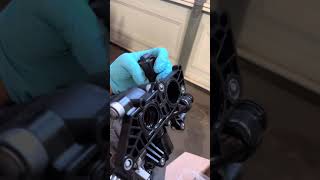
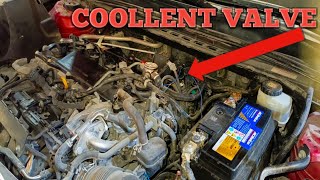
Over the years, I've seen the p2681 code trip up plenty of folks, and it usually points straight to trouble with the engine coolant bypass valve control circuit. Now, to put that in plain shop talk: this particular valve is in charge of steering where your engine coolant goes, especially when it comes to getting warm air into your cabin. Sometimes it lets coolant flow through the heater core so you stay toasty; other times, it bypasses the heater to keep things running just right. All of this is done electronically, and the car's computer keeps a close eye on whether the valve is actually doing what it's told. If the system senses the circuit is open or just not responding as expected, you'll see this code light up. GM vehicles-Cadillac, Chevy, GMC-usually have two main valve positions: 'ByPass' (which splits the heater from the engine coolant) and 'Link' (where coolant circulates through both). There's a sensor keeping tabs on all of it, and the control module expects to see certain signals. If those signals are off, that’s when p2681 appears. On Fords, the situation is similar: the control module isn’t getting the right feedback from the bypass valve 'A' circuit. Each brand might set things up a little differently, but at its core, the problem is always the same-you've got a coolant bypass valve the computer can't command or monitor properly.
DTC P2681
 4817
4817 6 minutes of reading
Causes of P2681 engine code
From my time buried in engine bays, the root causes of p2681 are pretty familiar-though there are some quirks depending on the badge on your hood. Here’s what tends to show up most:
- A bad engine coolant bypass valve-sometimes it just fails or gets stuck
- Problems with the wiring harness: open circuits, shorts, or wires that have seen better days
- Connectors that are corroded, bent, or just not making proper contact at the valve
- On Fords, every now and then, a faulty powertrain control module (PCM) is the culprit, but that's pretty rare in my experience
If you ask me, the majority of headaches come from wiring or connector issues, but don’t rule out a bad valve. Always give these basics a good look before you start suspecting more complicated stuff.
Symptoms of P2681 code
When p2681 is triggered, here’s what usually tips off drivers and techs alike:
- Your check engine or service engine soon light is going to come on-no surprise there
- The heater might not do its job, especially if the valve is stuck bypassing the core
- Sometimes the engine drags its feet warming up, or you might notice heat in the cabin comes and goes
There are times when the car drives just fine, but ignoring that warning light is rolling the dice. If you’re shivering in the winter or the engine temp needle acts odd, that’s your cue something’s off.

Diagnosis with obd2 code P2681
Here’s how I go after this code, step by step. If you’re handy and careful, you can tackle some of these checks yourself:
- First thing, pop the hood and take a real close look at the wiring and connectors at the coolant bypass valve. Check for broken, frayed, or corroded wires, and make sure that connector’s locked in tight with no bent or pushed-out pins.
- If everything looks good, unplug the connector and peek inside for corrosion or any sign of moisture. Clean and dry it up before plugging back in.
- Break out a multimeter and test for continuity in the wires between the valve and the control module. Open circuit? Time to chase down and fix that break.
- If the wiring passes the test, move on to the valve. I’ll usually use a scan tool to command the valve open and closed, watching for any movement or sensor response. If it just sits there-or the sensor doesn’t report back-the valve’s probably toast.
- For Ford owners, if every other box is checked and nothing’s changed, the PCM could be bad. But honestly, I’ve only seen that once in a blue moon.
If you’re not confident with electrical stuff, grab a buddy who knows their way around, and always disconnect the battery before working near sensitive electronics. Better safe than sorry.

Common Mistakes when fixing obd code P2681
I've watched plenty of folks go down the wrong path with this code-here are the most common time-wasters I see:
- Jumping straight to replacing the bypass valve when the real culprit is a wiring or connector fault
- Missing hidden corrosion or water inside the connector, which can cause the problem to come and go
- Swapping out the PCM on a Ford before making sure the valve and wiring are actually at fault
- Trying to fix it without using a scan tool to see if the valve’s working and the sensor’s giving proper feedback
Here’s a pro-tip from the garage: start with the simple stuff. Meticulous basics save you a ton of headaches and wasted cash.

Seriousness of P2681
Let me be blunt-this isn’t a code you want to shrug off. Sure, you might not break down right away, but things can turn ugly in a hurry. If the valve’s stuck or the circuit’s not making the connection, your engine might struggle to warm up, or you could lose heat in the cabin just when you need it most. Sometimes, coolant doesn’t flow right, and that can lead to overheating or lousy engine efficiency. Worst-case scenario? You risk frying the engine, damaging the heater core, or even taking out the hybrid control module in certain vehicles. If your engine starts running hot or you lose defrost during a cold snap, you’re in real trouble. Trust me-don’t drag your feet on this one.
Repair steps for dtc P2681
Here’s the process I follow to get p2681 sorted, depending on what I find during diagnosis:
- Patch up or swap out any damaged wiring or connectors at the bypass valve
- Clean all electrical contacts and make sure everything’s snug and making a good connection
- If the valve’s not responding to commands or fails the tests, replace it
- On rare occasions (mainly Fords), a new PCM is needed, but only after everything else is ruled out
Once I’ve made the fix, I always clear the code and use a scan tool to double-check the valve is doing its job. Don’t forget-if you replace the valve, top up the coolant and bleed the system to keep things running smooth.
I’ve seen this issue pop up on Audi and Volkswagen models too (search for audi dtc p268100 or volkswagen dtc p268100), so if you’re driving one of those and notice similar symptoms, keep this info handy.
Conclusion
If you boil it down, p2681 means your car’s brain can’t keep tabs on-or control-the engine coolant bypass valve. That valve’s essential for keeping your heater working and your engine at the right temp. This isn’t something you want to ignore: acting quickly can save you from bigger headaches, like overheating or losing heat on a cold morning. The best move? Start with a close look at wiring and connectors, check the valve’s operation, and only consider the control module if everything else checks out. Stay methodical, and you’ll keep your ride safe, warm, and running strong.