
Causes of P268E code
From my time under the hood and going by what the manuals say, here are the most common reasons you’ll see a P268E code pop up:
- The EIA code for cylinder 3 never got programmed into the ECM-this happens a lot right after someone swaps out an injector, or sometimes even straight from the factory if they missed a step.
- Somebody put in a new ECM or did a software update but forgot to enter the injector codes again.
- There’s a breakdown in communication between the ECM and the injector-could be bad wiring, a corroded connector, or (once in a blue moon) a faulty ECM.
- And every now and then, someone just punches in the wrong code or skips the programming step altogether.
Most of the time, it’s just a case of the code not being entered after some repair job or part swap.
Symptoms of P268E
When this code is triggered, here’s what you’ll usually notice. The check engine light is almost guaranteed to come on. Sometimes the engine will idle a bit rough, or you might feel a slight stumble when you hit the gas. Other times, the only clue is that warning light staring you down from the dash. Don’t let that fool you, though-just because the engine seems fine now doesn’t mean you’re in the clear. In my experience, if the injector isn’t calibrated right, you could start burning more fuel than usual or end up with misfires later on. Ignore it, and things usually get worse, not better.

Diagnosis steps for P268E trouble code
If you want to get to the bottom of a P268E, here’s how I usually go about it. First thing, check if there’s been any recent work-did someone swap out an injector, change the ECM, or update the software? That’s often where the trouble starts. Next up, grab a scan tool and look at the injector codes stored in the ECM. If cylinder 3’s code is missing or doesn’t match what’s stamped on the injector, you’ve found your problem. A pro-tip from the garage: always have someone double-check the code actually etched or printed on the injector itself. While you’re in there, take a close look at the wiring and connectors for damage or corrosion-sometimes it’s just a loose pin or a little rust causing chaos. If all that checks out and the code still won’t stick, you might be looking at an ECM issue, but that’s pretty rare. My advice? Start with the basics-verify and reprogram the code, clear the fault, and only dig deeper if it pops back up.
Common Mistakes when troubleshooting obd code P268E
A classic mistake I see is folks going straight for the injector or even swapping out the ECM before checking if the code was ever programmed. Another one: fat-fingering the EIA code-one wrong digit and you’re back where you started, so double and triple check every single character. People also skip checking the wiring, figuring it’s gotta be the part-not always true! I’ve seen plenty of codes thrown by a dirty connector or a loose wire. And don’t just clear the code hoping it’ll stay gone-make sure everything’s programmed and verified before you call it fixed.

Seriousness of dtc P268E
Take it from someone who’s seen engines go from a simple warning light to major headaches-this isn’t a code you want to brush off. Sure, your car might run, but when the ECM doesn’t have the right injector info, you risk rough running, increased emissions, and even long-term damage to the engine or catalytic converter. If the injector starts dumping too much or too little fuel, things can spiral in a hurry. Bottom line: ignoring this code can lead to much bigger (and more expensive) problems down the road. If you notice misfires or the engine’s running rough, get on it right away.
Repair steps for P268E engine code
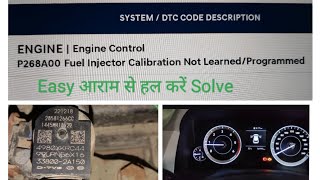
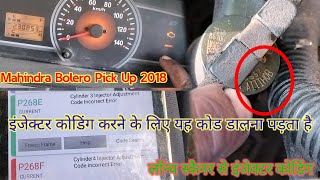
Fixing this one is usually pretty direct. You need to program the correct EIA code for cylinder 3 into the ECM, using a scan tool and the code right off the injector. If the code won’t take, go over every inch of wiring and each connector for damage or corrosion-sometimes it’s something simple tripping you up. Only in rare situations do you need to swap out the ECM or the injector itself. Once you’ve got the code in and everything’s buttoned up, clear the code and take it for a spin to make sure it doesn’t come back. My best advice: always double-check your work and the codes before you call it done. Saves a lot of headaches.
Conclusion
Here’s the bottom line: p268e means your ECM doesn’t have the right calibration data for cylinder 3’s injector, and that’s going to mess with your engine if you don’t fix it. Nine times out of ten, it’s just missing programming after a repair or part swap. Don’t let it slide-get the correct EIA code programmed and confirm everything is working like it should. That’s how you keep your engine healthy and avoid nastier problems down the line.
 6144
6144 5 minutes of reading