
Causes of the P2690 trouble code
After years of troubleshooting these codes, I’ve noticed there are a handful of usual suspects behind P2690. Here’s what I see most in the shop:
- Someone replaced cylinder 5’s injector or swapped out the ECM and skipped programming the new EIA code.
- The EIA code was never entered at all after a repair-probably because someone was in a hurry or simply overlooked it.
- There’s a hiccup in communication between the scan tool and ECM while trying to program the code-battery voltage dips, flaky cables, you name it.
- On rare occasions, there’s a deeper issue with the ECM itself that keeps it from saving the code.
Honestly, nine times out of ten, it’s just a case of missed programming steps after a part swap rather than a true hardware fault.
Symptoms related to P2690
When P2690 is active, there are a few telltale signs you can watch for. The check engine light will almost always be staring you in the face. Sometimes, you’ll feel the engine stumble or idle rough-especially at stoplights. You might catch a slight misfire, or maybe just a general sense that the engine isn’t as smooth or responsive as usual. Every now and then, you won’t notice much at all, but don’t be fooled: your engine isn’t running as efficiently as it should, and that quiet inefficiency can snowball into bigger headaches if you let it ride.

Diagnosis steps with obd code P2690
Let me walk you through how I get to the bottom of P2690. First step: always ask if any recent injector or ECM work’s been done. Sometimes, the fix is as simple as catching a skipped step. Next up, I grab my scan tool and pull up the injector calibration codes stored in the ECM. If cylinder 5’s EIA code is blank or missing, bingo-that’s your culprit. Here’s a pro-tip from the garage: double-check the EIA code that’s stamped or labeled right on the injector, and make sure it matches what the ECM is showing. If it’s not there, you’ll need to program it in with a capable scan tool. Don’t overlook battery health or connector issues-low voltage during programming can trip things up. And if you do everything right but the code still won’t stick, that’s when I start suspecting a faulty ECM might be to blame.
Common mistakes when handling the P2690 code
I’ve watched plenty of experienced techs trip up on this one. The most common blunder? Swapping an injector and forgetting to program the EIA code-especially easy to miss when you’re in a rush or juggling multiple jobs. Another pitfall is jumping straight to replacing the injector again, thinking it’s defective, when the real issue is just missing code. Some folks don’t check for communication problems during programming, leading to a lot of head-scratching and wasted parts. Always, always confirm the code is stored in the ECM before moving on to anything else.

Seriousness of the obd2 code P2690
P2690 isn’t something you want to shrug off. Sure, your car might still start and run, but not the way it should. If you ignore it, you’re risking lousy fuel economy, rough engine behavior, and in the long run, real engine damage. In some nightmare scenarios, improper fueling can cause piston or cylinder problems-or even take out your catalytic converter if the mixture’s way off. My advice? Don’t procrastinate. Get this sorted before you’re dealing with a much bigger repair bill.
Repair steps for the P2690 engine code
Fixing P2690 is usually a straightforward job if you know where to look. Here’s how I tackle it in the shop:
- Find the correct EIA code for cylinder 5-usually printed right on the injector or in the manufacturer’s paperwork.
- Fire up a compatible scan tool and program the EIA code into the ECM.
- Clear the trouble code, then double-check to make sure it doesn’t come back.
- If the code won’t program, start hunting for communication issues or test the ECM for faults-repair or replace as needed.
Most of the time, once that code is entered and confirmed, you’re back in business.


Conclusion
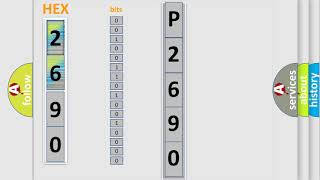
Bottom line: a P2690 code means your ECM is missing that critical injector calibration for cylinder 5, and that spells trouble for engine performance if you don’t address it. Prioritize this repair-don’t kick the can down the road. The best fix is almost always to double-check the EIA code and program it with the right scan tool. Catch it early, handle it right, and you’ll keep your engine running like a champ for the long haul.

 4672
4672 5 minutes of reading