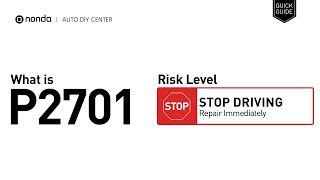
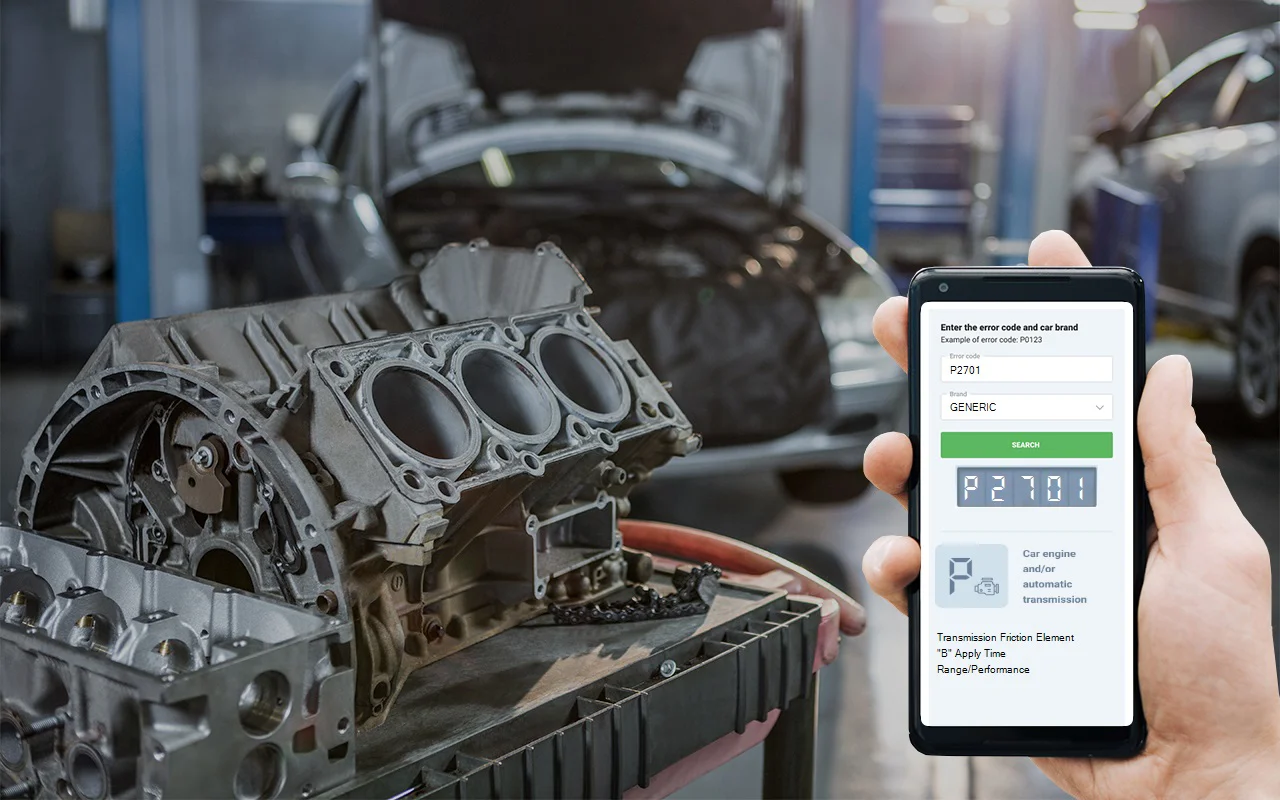
Let me break down what Diagnostic Trouble Code P2701 means for you. This code is related to the transmission or steering system, depending on your vehicle’s brand. For Dodge and Ford vehicles, P2701 points to an issue with the 'B' friction element in the transmission, specifically with its application timing or performance. But here’s the twist: in these brands, it’s actually tied to the electric power steering system (EPAS). The Power Steering Control Module (PSCM) keeps an eye on how much force is needed to help you steer. If something’s off-like the system isn’t providing the right amount of assistance or the sensors aren’t behaving-this code pops up. The PSCM only does this check when the ignition is on, the module has enough voltage, and all the other steering sensors are working as they should. So, in short, P2701 is the car’s way of saying, “Hey, something’s not right with how I’m helping you steer.”
DTC P2701
 5693
5693 5 minutes of reading
Causes and P2701 engine code
From what I see most often in the shop, the usual suspects for p2701 are pretty straightforward. Here’s what tends to trigger this code:
- Low tire pressure-believe it or not, this can throw off the steering system’s readings.
- A damaged steering rack boot (that’s the rubber cover protecting the steering mechanism).
- Dirt or debris clogging up the steering rack or mechanism.
- Worn or faulty inner tie rods-these are key parts that connect your steering to the wheels.
- Internal problems within the steering rack itself, like wear or mechanical failure.
In my experience, most cases come down to something simple like a torn boot or low tire pressure, but sometimes it’s a deeper issue inside the steering rack.
Symptoms and dtc P2701
If your car’s showing a p2701 code, here’s what you’ll probably notice: the check engine light will be on, or you might see a service engine warning. You may not feel anything dramatic right away, but sometimes the steering feels heavier or less responsive than usual. In rare cases, the power assist might cut out altogether, making steering much harder, especially at low speeds. If you notice any odd noises, stiffness, or the steering wheel not returning to center smoothly, those are clues that something’s up.

Diagnosis and P2701 code
Here’s how I tackle a p2701 code in the shop, and you can do some of these checks yourself before heading in. First, I always start with the basics-check your tire pressures and make sure they’re all at the recommended levels. Next, I take a good look at the steering rack boots for any tears, cracks, or leaks. If you can, turn the steering wheel back and forth and listen for any grinding or clunking sounds. After that, I inspect the inner tie rods for play or damage. It’s better to have someone assist you by turning the wheel while you watch the components move. Don’t forget to check for dirt or debris around the steering rack-sometimes a good cleaning can make a difference. Finally, I use a scan tool to check for any related codes and monitor the power steering control module’s data. If all the basics check out, it might be time to dig deeper into the steering rack’s internals, which is best left to a professional.
Common Mistakes and obd code P2701
I’ve seen folks jump straight to replacing expensive parts without checking the simple stuff first. Skipping the tire pressure check or ignoring a torn steering boot is a common mistake. Another one is overlooking the wiring and connectors-sometimes it’s just a loose or corroded plug causing the issue. Don’t rush to blame the steering rack itself until you’ve ruled out these easier fixes. Trust me, starting with the basics saves a lot of time and money.

Seriousness and P2701 trouble code
This isn’t something you want to ignore. If the power steering assist fails, steering can become really tough, especially at low speeds or when parking. That’s a serious hazard, and things can go south quickly if overlooked. Driving with compromised steering puts you and others at risk, and it can lead to further damage-like worn tires, bent tie rods, or even a ruined steering rack. Don’t put this off for later; the risks just aren’t worth it.
Repair and P2701
The most reliable fixes for p2701, based on what I see in the field and OEM procedures, are:
- Inflate tires to the correct pressure.
- Replace any damaged or torn steering rack boots.
- Clean out any dirt or debris from the steering mechanism.
- Replace worn or faulty inner tie rods.
- Repair or replace the steering rack if there’s an internal fault.
- Inspect and repair wiring or connectors to the power steering control module.
I recommend starting with the easy stuff and working your way up. Sometimes a simple fix is all it takes.
Conclusion
To sum it up, P2701 means your car’s power steering system isn’t working as it should, and it’s usually something like low tire pressure, a damaged boot, or a worn tie rod. The risk level is high because steering problems can quickly turn dangerous. The best way forward is to check the basics first-tire pressure, boots, and tie rods-then move on to deeper diagnostics if needed. Acting quickly and methodically is the surefire way to keep you safe and your car running smoothly.