
Causes and dtc P2703
After spending plenty of time sorting through P2703 issues on Fords, I’ve noticed certain culprits pop up again and again. Here are the usual suspects:
- Underinflated tires-an easy thing to overlook, but it puts extra load on your steering.
- Steering rack boots that are torn or damaged. These little rubber bellows are supposed to keep grime out, but once they’re compromised, trouble isn’t far behind.
- Gunked-up or dirty steering racks and related parts.
- Worn-out inner tie rods, which can sneak up on you if you’re not checking for play.
- Internal problems inside the steering gear itself.
I can’t count how many times I’ve traced the issue back to a bad wire or a corroded connector, so I never skip checking the harness and plugs either.
Symptoms and P2703
So, what tips you off that you’ve got a P2703? Usually, the first thing you’ll see is the check engine light or the steering warning light glowing on your dash. After that, you might notice the steering feels heavier than you remember, especially in parking lots or tight maneuvers. Sometimes, there’s a weird lag or the steering just feels inconsistent-like it’s fighting you or not quite keeping up. Odd noises when you crank the wheel can also be a giveaway. Any of these symptoms are your car’s way of letting you know the steering system needs a closer look.

Diagnosis using the P2703 engine code
Let me walk you through how I usually track down the root of a P2703 code on a Ford. I always start with the basics because, more often than not, that’s where the answer hides:
- First up, grab a tire gauge and check all four tires. Low pressure? That’ll make the steering system work overtime.
- While you’re under there, take a good look at the steering rack boots. If you see any tears, leaks, or grime sneaking in, that’s a red flag.
- Inspect the steering rack and tie rods for contamination or signs of rust and wear. If an inner tie rod wiggles or feels loose, you’ve found a problem.
- Don’t forget the wiring harness and connectors to the power steering control module. Damaged insulation, corroded contacts, or loose pins can all throw the system for a loop.
- If those check out, plug in a scan tool and look at live data coming from the steering sensors. You’re looking for anything that doesn’t match what you’d expect-a sudden jump, a lag, or an obvious error.
- If you’re still stumped, you may have to dig deeper into the steering gear itself, which sometimes means pulling parts for a good inspection.
Here’s a pro-tip: have someone turn the wheel while you watch the parts in action under the hood. You’d be surprised what you can spot that way.
Common Mistakes with the P2703 code
A classic mistake I see is folks throwing expensive parts at the problem before checking the basics. Skipping over something as simple as tire pressure or not catching a damaged steering boot can waste both time and money. Another one? Ignoring the wiring and connectors-corrosion, loose pins, or a broken wire can be the root of the issue. I can’t stress enough how important a careful visual inspection is. Always, always start simple before you start swapping out costly components.

Seriousness of obd2 code P2703
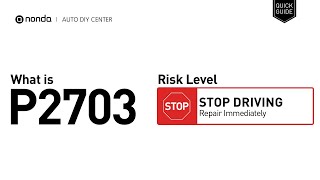
Let’s not sugarcoat it-P2703 isn’t something you want to put off dealing with. If your steering assist goes south, you could find yourself muscling the wheel at the worst possible moment, especially at low speeds or in an emergency. Leave it long enough, and you risk burning out the steering gear, tie rods, or even the control module. I’ve seen cars come in barely steerable, and trust me, that’s not where you want to end up. If this code shows up, it’s essential you get it sorted out before it turns into an even bigger headache.
Repair steps for obd code P2703
Once you’ve tracked down the real source of the problem, the fix is usually pretty direct. Here’s my usual routine:
- Pump up the tires to the correct specs-easy win if they were low.
- Swap out any steering rack boots that are damaged or leaking.
- Clean up or replace any parts in the steering system that got contaminated.
- Replace inner tie rods if they’re worn or loose.
- Repair or replace any sketchy wiring or dodgy connectors.
- If you’re still facing issues and it points to an internal failure in the steering gear or control module, you might have to bite the bullet and replace those parts.
Don’t forget to clear the code and take the car for a test drive after you’re done-nothing beats real-world confirmation that the repair worked.

Conclusion
If you see P2703 pop up on your Ford, you’re looking at a power steering assist issue, and that’s not something to put on the back burner. Steering problems can put you and everyone else on the road at risk. The smartest way to handle this? Start with the simple stuff-tire pressure, boots, and a good visual check-before chasing more complicated repairs. Trust me, methodically working through the basics saves time, money, and a lot of frustration. Address it early, and you’ll keep your steering sharp and your ride safe.
 4154
4154 6 minutes of reading