
Causes and obd code P2704
If you’re chasing down a P2704 on a Ford, let me save you some time based on what I’ve run into again and again. Nine times out of ten, the issue traces back to the steering. Here’s my usual checklist:
- Low tire pressure-a sneaky culprit that messes with steering more than most folks realize
- Steering rack bellows (those rubber boots) that are split or leaking, letting in grit and grime
- A rack or steering column that’s gummed up or sticking from contamination
- Tie rods with too much play or worn-out ends
- Something failing inside the rack itself-a less common, but not unheard-of, headache
Don’t underestimate wiring either. I’ve lost count of how many times a crusty connector or bad ground turned out to be the real problem. While different brands might have their own laundry list of causes for this code, on Fords, these are the big ones you’ll want to check first.
Symptoms and P2704
If you’ve got a P2704, chances are you’re seeing a check engine light or a service warning light glaring back at you from the dash. But the symptoms don’t stop there. From what drivers (and my own test drives) tell me, the steering often feels heavier than usual-sometimes sluggish, especially when you’re crawling in a parking lot. You might notice a delay or a strange ‘notchy’ feel when you turn the wheel. Let it go long enough, and you could lose power assist completely. Suddenly, turning the wheel feels like a workout, and that’s not something you want happening on the road.

Diagnosis process for P2704 engine code
Here’s the process I follow in the shop when a Ford rolls in with a P2704:
- First thing’s first-grab a tire gauge and check all four tires. It’s basic, but you’d be surprised how often low pressure messes with the system’s readings.
- Next, I slide underneath and have a close look at the steering rack bellows. Torn boots are an open invitation for dirt and water to get in and wreak havoc.
- After that, I’ll check the inner tie rods for slop or wear. Any looseness here throws off the steering feel and can trip the code.
- I make a point to rotate the steering wheel back and forth (with the wheels off the ground if possible). Any tight spots, roughness, or resistance might mean you’ve got contamination or binding in the rack.
- Don’t forget the wiring-pop the hood and inspect the harness and connectors at the power steering control module. Rusty pins or a loose connector can easily be your culprit.
- If nothing obvious turns up, I’ll hook up a scan tool and watch the live data from the steering sensors. Anything that’s way out of range or jumping around? That’s where I dig deeper.
Pro tip: get a buddy to turn the wheel for you while you watch and listen. Sometimes you’ll catch a strange noise or resistance you’d miss working solo. And always ask about any recent bumps or pothole hits-the smallest knock can throw things out of whack.
Common Mistakes when troubleshooting P2704 code
A classic mistake I see is folks going straight for the big, expensive repairs-like swapping out the steering rack or control module-without checking the basics. Too often, the real problem is something simple: low tire pressure, a torn boot, or a dirty connector. Skipping the wiring check is another pitfall. A lot of ‘mystery’ codes trace back to a corroded or loose plug. My advice? Start simple and work your way up. Don’t let the code send you chasing ghosts.

Seriousness of P2704 trouble code
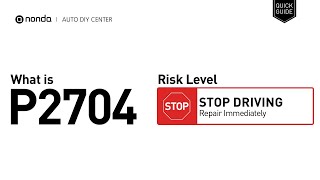
Take it from me: you don’t want to ignore this one. If your steering isn’t working the way it should, you’re flirting with a real safety risk. Losing power assist makes steering a bear-especially in tight spots or if you need to react fast. Plus, letting the problem sit can chew up your rack, tie rods, or even fry the control module. I’ve seen things go downhill fast when folks put this off. If you see a P2704, get on it before you’re left fighting the wheel-or worse.
Repair options for dtc P2704
When it comes to fixing a P2704 on a Ford, here’s what’s worked for me (and lines up with the manufacturer guidelines):
- Pump up the tires to the spec’d pressure-don’t overlook this step
- Swap out any steering rack bellows that are torn, leaking, or just plain worn
- Replace inner tie rods if there’s any play or obvious wear
- Clean up the rack or swap contaminated components as needed
- Sort out any wiring or connector issues at the power steering control module
- If all else fails and there’s a confirmed internal failure, replace the steering rack or PSCM-but only after you’ve ruled out everything else
Once the fix is done, clear the code and take the car for a solid test drive. You want to know the problem’s gone before you hand the keys back-or hit the road yourself.

Conclusion
Bottom line? If you see a P2704 on a Ford, you’re dealing with a power steering timing or performance issue that shouldn’t be brushed off. It’s one of those codes that can quickly turn into a real headache-or even a safety risk-if ignored. My advice: start with the basics, check your tire pressure, boots, and wiring first, and only move to the expensive stuff if you have to. In my experience, most of these cases get sorted out with a little methodical troubleshooting. Don’t wait-sort it out and keep your car steering smooth and safe.
 3809
3809 6 minutes of reading