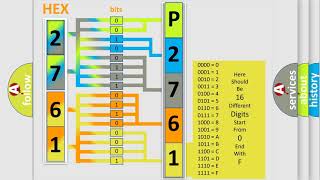
If you’ve ever seen the P2761 code pop up on your scanner, here’s what’s going on: Your car’s computer is flagging an issue with the torque converter clutch (TCC) pressure control solenoid or its wiring. Think of the solenoid as a traffic cop for hydraulic fluid-it controls when and how the torque converter clutch locks the engine to the transmission. That lock-up is essential for better fuel economy and to keep the transmission from slipping when you’re cruising. When this system starts misbehaving, the transmission control module (TCM) throws the P2761 code to let you know that either the circuit or the solenoid isn’t working right. From my time under the hood, I can tell you this system plays a vital role in how smoothly your car shifts and how much fuel you burn. Trust me, you don’t want to let this one slide.
DTC P2761
 5532
5532 5 minutes of reading
Causes of P2761 engine code
From experience, the most common reasons I see for a P2761 code are:
- A faulty torque converter clutch solenoid-this is the part that actually controls the fluid flow to the clutch.
- Wiring problems-damaged, corroded, or loose wires and connectors in the solenoid circuit can easily trigger this code.
- Internal issues in the torque converter or even the transmission itself-sometimes wear or failure inside these components can cause the solenoid to act up.
- Problems with the TCM (transmission control module)-less common, but a failing computer can also be the culprit.
Most often, it’s the solenoid or wiring at fault, but I’ve seen cases where deeper transmission problems were to blame.
Symptoms of obd code P2761
When this code is active, you’ll usually notice a few things:
- The check engine light will come on-sometimes that’s the only sign at first.
- You might feel the transmission isn’t shifting as smoothly, or it may seem like it’s slipping.
- Fuel economy can take a hit, since the torque converter clutch isn’t locking up like it should.
- In some cases, you might notice higher RPMs at highway speeds or a general feeling that the car isn’t as responsive as usual.
It’s one of those issues that can start subtle but get worse if left unchecked.

Diagnosis process for P2761 trouble code
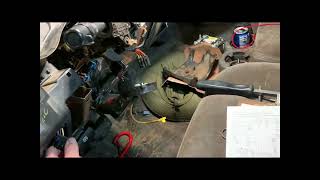
This is where the real detective work starts. If a car rolls into my bay with a P2761, I always start simple: pop the hood and check your transmission fluid. Is it low or looking burnt? Top it up or swap it out. That alone can sometimes clear up shifting issues. Next up, I’ll grab a scan tool to confirm the code and look for any friends it brought along-sometimes another code gives you a better hint. Now, here’s a pro tip from the garage-don’t just eyeball the wiring to the TCC solenoid. Get in there and check for cracked insulation, corrosion, or a connector that’s hanging on by a thread. I like to have someone wiggle the harness while I watch the scan tool live data, just to see if there’s an intermittent fault. If the wiring checks out, it’s time to test the solenoid itself. Grab your multimeter and check the resistance, or use the scanner to command it on and off while listening for a click. If you get this far and everything seems fine, then-only then-do you start looking harder at the TCM or inside the transmission. Nine times out of ten, though, you’ll find your answer before you have to get that deep. Remember, always rule out the basics before you reach for your wallet.

Common mistakes when fixing dtc P2761
Here’s something I see all the time: folks panic and replace the entire transmission or TCM without so much as glancing at the solenoid or the wiring. That’s an expensive lesson in why you shouldn’t skip steps. Another classic mistake? Ignoring the fluid, or forgetting to push a connector in all the way after an inspection. I can’t count how often a loose plug was the only problem. Bottom line-always start simple, and don’t assume the worst until you’ve checked the easy stuff.

Seriousness of the P2761 code
Don’t underestimate this code. If the torque converter clutch isn’t locking up, you’re risking more than just rough shifts. I’ve seen transmissions overheat, clutches burn up, and, in the worst cases, folks end up needing a full transmission rebuild-all because they let this slide. Besides, unpredictable shifting or slipping can make your car unsafe on the road. Things can escalate fast, so don’t sit on this one. Get it checked out before a small fix turns into a wallet-busting repair.
Repair options for P2761
Here’s what usually fixes the issue:
- Replacing the faulty torque converter clutch solenoid-this is the most common repair.
- Repairing or replacing damaged wiring or connectors in the solenoid circuit.
- Changing the transmission fluid and filter if they’re dirty or low.
- In rare cases, repairing or replacing the TCM or addressing internal transmission problems if the solenoid and wiring are fine.
It’s best to start with the solenoid and wiring, since those are the usual suspects.
Conclusion
So, what’s the takeaway? P2761 means your vehicle’s computer caught something wrong with the torque converter clutch solenoid or its wiring. It’s not something you want to ignore, because it can snowball into bigger, pricier problems. My advice? Check your fluid, give the wiring and solenoid a close look, and don’t jump to worst-case scenarios. The faster you get on top of it, the smoother and safer your ride-and the less likely you’ll get stuck with a massive repair bill later on.