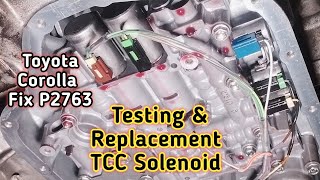
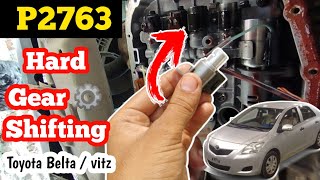
When you see the code p2763 pop up on your scanner, let me tell you what’s really going on under the hood. Your car’s computer is flagging an issue with the control circuit for the torque converter clutch (TCC) pressure control solenoid. Now, from my years in the shop, I can tell you this solenoid plays a vital role-it’s what manages when and how your transmission locks up the torque converter, giving you that smooth, efficient ride, especially once you hit highway speeds. If you’re driving a Cadillac, Chevrolet, or GMC, this code is pointing you straight to a problem in the TCC pressure control solenoid circuit. Sometimes it’s electrical; other times, it’s a hydraulic snag. What’s happening here is the transmission control module is sending a pulse-width modulated signal to the solenoid, and if there’s an open circuit or the solenoid isn’t responding, your computer throws the p2763 code. Think of it as your car’s way of telling you something’s not working quite right in that critical area.
DTC P2763
 6110
6110 5 minutes of reading
Causes of P2763 engine code
After countless hours diagnosing Cadillac, Chevy, and GMC transmissions, I can tell you the culprits behind p2763 usually follow a familiar pattern. Here’s what tends to cause the headache:
- The TCC pressure control solenoid itself gives out. When this part fails, it simply can't do its job.
- Wiring harnesses and connectors get damaged or corroded. I’ve seen wires pinched in tight spots, broken from old age, or connectors that are full of road grime and just barely hanging on.
- Electrical connections go bad-not just at the solenoid, but anywhere along the circuit. A weak or dirty contact can throw everything off.
- Internal transmission problems, like clogged oil passages in the valve body, can jack up the hydraulic pressure.
Symptoms of obd code P2763
If p2763 is lighting up your dash, chances are you’ll spot some telltale signs. The check engine light is almost always your first clue. Beyond that, you might feel the transmission start shifting rough, or in some cases, refuse to shift altogether. Hesitation, gear slipping, or failing to climb into higher gears-these are all symptoms I’ve seen in the garage. Basically, if your vehicle feels off compared to its usual performance, and the shifting isn’t as smooth as you remember, p2763 could be behind it.

Diagnosis and testing for obd2 code P2763
Let me walk you through how I personally handle a p2763 code diagnosis:
- I always kick things off with a thorough visual check. Get in there and inspect the wiring and connectors around the transmission. Look for damaged insulation, corrosion, or plugs that aren’t seated right. Sometimes, it’s just a loose connection causing the trouble.
- After that, I grab the scan tool, confirm the code, and look for any buddies-related transmission codes that could give more clues.
- Testing the TCC solenoid comes next. Pull out a multimeter and measure for resistance and continuity. If the numbers are way off spec, you’ve likely found your problem.
- Don’t skip the transmission fluid check. If it looks burnt, dirty, or the level’s low, that’s a red flag for internal issues or clogged passages.
- If all the basic checks pass, I dig deeper and inspect the valve body for blockages. This step can get technical, so don’t be afraid to ask for help or take it to someone with the right know-how.

Common Mistakes during P2763 troubleshooting
A classic mistake I see all the time? Folks swap out the solenoid right away, ignoring the possibility of a wiring issue. That’s a quick way to waste cash and still be stuck with the same problem. Another thing people overlook is the state of the transmission fluid-burnt or dirty fluid can create all kinds of headaches. It’s easy to miss connector corrosion or bent pins, too, but those can absolutely trigger this code. Skipping the basics often leads to unnecessary repairs and frustration down the road.

Seriousness of dtc P2763
Let me be blunt-ignoring this code is asking for trouble. A faulty TCC solenoid can make your transmission overheat, slip, or even fail outright. I’ve seen folks push their luck and end up needing a whole new transmission or expensive torque converter repairs. This isn’t something you want to mess around with; if you let it slide, things can go south in a hurry, turning a simple fix into a wallet-buster.
Repair steps for P2763 trouble code
Here’s my tried-and-true approach for tackling p2763:
- Start by repairing or replacing any damaged wiring or connectors. Nine times out of ten, that’s where you’ll find the problem.
- If the solenoid’s cooked, swap it out for a new one.
- If the transmission fluid’s nasty or burnt, do a flush and refill.
- When you suspect valve body blockages, clean or repair them as needed.
- If the issue hangs on after all that, you might have to dig into the transmission control module-but trust me, that’s pretty rare.
Conclusion
Bottom line: p2763 means your transmission’s torque converter clutch solenoid circuit isn’t playing nice, usually thanks to electrical or hydraulic hiccups. The best way to get your ride back in shape is to tackle the basics first-check every wire, connector, and fluid before you dive deeper. Don’t put this off, because letting it slide can lead to serious, expensive damage. If you stick to a step-by-step approach and only swap out parts you’ve proven are faulty, you’ll keep your car running right and avoid bigger headaches down the road.