
Common Causes of dtc P2802
From my time in the garage, I’ve found there are a few things I always check first when P2802 comes up:
- Damaged or corroded wiring harness leading to the transmission range sensor-wires might rub against something, break, or let water sneak in.
- The sensor itself giving out-over the years, it can just give up or fail from the inside out.
- Connector issues-like loose, dirty, or bent pins where the sensor plugs in. Easy to overlook, but critical.
- Now and then, it’s a deeper problem inside the transmission control module (TCM) or the powertrain control module (PCM), but honestly, I rarely see that. Usually, it’s the simpler stuff.
In my experience, if your car sees a lot of wet weather, salty roads, or just has some age on it, wiring and connector problems top the list nearly every time.
Typical Symptoms of P2802 trouble code
When this code pops up, there are usually some telltale signs that something’s off. Most folks roll into the shop with these complaints:
- The transmission isn’t shifting right, or it’s stuck in one gear-what we often call ‘limp mode’ in the business.
- The gear indicator on the dash doesn’t match the gear you’re actually in. That’s a dead giveaway.
- Trouble starting the car, especially if the system can’t see you’re in Park or Neutral.
- The check engine light-yep, that’s almost always glowing.
Let me tell you, this isn’t one of those problems that’ll just go away if you ignore it. Keep driving like this and you’re asking for a bigger repair bill.

Steps for Diagnosing obd2 code P2802
Here’s how I walk through diagnosing this fault, one step at a time:
- First thing I do is check for any other transmission-related codes. Sometimes you’ll find a cluster of codes from a single root cause, and that can save you loads of time.
- Then I get up close and personal with the wiring and connectors going to the transmission range sensor. I’m hunting for cracked insulation, green corrosion, loose plugs, or any sign of water getting in. Here’s a pro-tip: have someone shift the gears while you’re watching the harness-sometimes you’ll catch a wire moving or shorting out that you’d never spot otherwise.
- Next comes the multimeter. I’ll check for proper voltage at the sensor’s connector. If it’s reading low or dead, that points to a wire shorted to ground somewhere along the route.
- If the wiring’s solid, I move to the sensor itself-checking resistance and output against what the service manual calls for. If the numbers are off, that sensor’s on its way out.
- Only after all that do I start poking around the TCM or PCM for internal faults. Honestly, that’s almost always the last place I look.
One more thing-always disconnect the battery before digging into the wiring. I’ve seen more than a few folks zap something expensive by skipping that step.
Avoiding Common Mistakes with obd code P2802
A classic mistake I see is folks rushing to replace the sensor right away, only to find out later that a broken wire or hidden corrosion was the real culprit. Also, don’t overlook the inside of the connector-corrosion likes to hide in there where you can’t see it at first glance. And here’s a big one: don’t just clear the code and hope for the best. If you don’t actually fix what’s wrong, that code will be back before you know it.

How Serious Is P2802
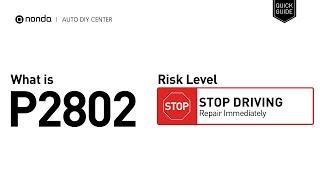
P2802 isn’t something you want to put on the back burner. If you ignore it, you run the risk of getting stuck somewhere or even damaging your transmission further. I’ve seen cars start in the wrong gear or refuse to shift at all-both are serious safety risks. Leave it long enough, and you’re also looking at possible damage to the control module or even internal wear in the transmission itself. This is one of those times where quick action can save you a lot of grief.
Recommended Repair Procedures for P2802 code
When it comes to fixing P2802, here’s what usually gets the job done, both from my experience and what the factory repair books say:
- Track down and repair or replace any damaged wiring or connectors to the transmission range sensor. Don’t skimp here-a tiny nick in the wire can be all it takes.
- If the sensor fails your voltage or resistance checks, swap it out for a new one.
- Give all electrical connections a thorough cleaning and make sure everything’s tight. Sometimes all you need is to clean out some crud and you’re golden.
- In those rare cases where the TCM or PCM is the villain, you might have to replace or reprogram it, but only after you’ve checked everything else.
After you’ve done the repair, clear the code and take it for a test drive. If the code stays gone, you’ve nailed it.

Conclusion
Bottom line: when you see P2802, your car can’t trust what the transmission range sensor B is telling it, thanks to low voltage-almost always caused by a wiring or sensor issue. This isn’t something to ignore, because it can mess up your shifting and even compromise your safety. My advice? Start with a close inspection of the wiring and connectors, then move on to testing the sensor itself. Don’t drag your feet-sorting this out right away will save you bigger headaches and keep your car on the road where it belongs.
 4974
4974 6 minutes of reading