
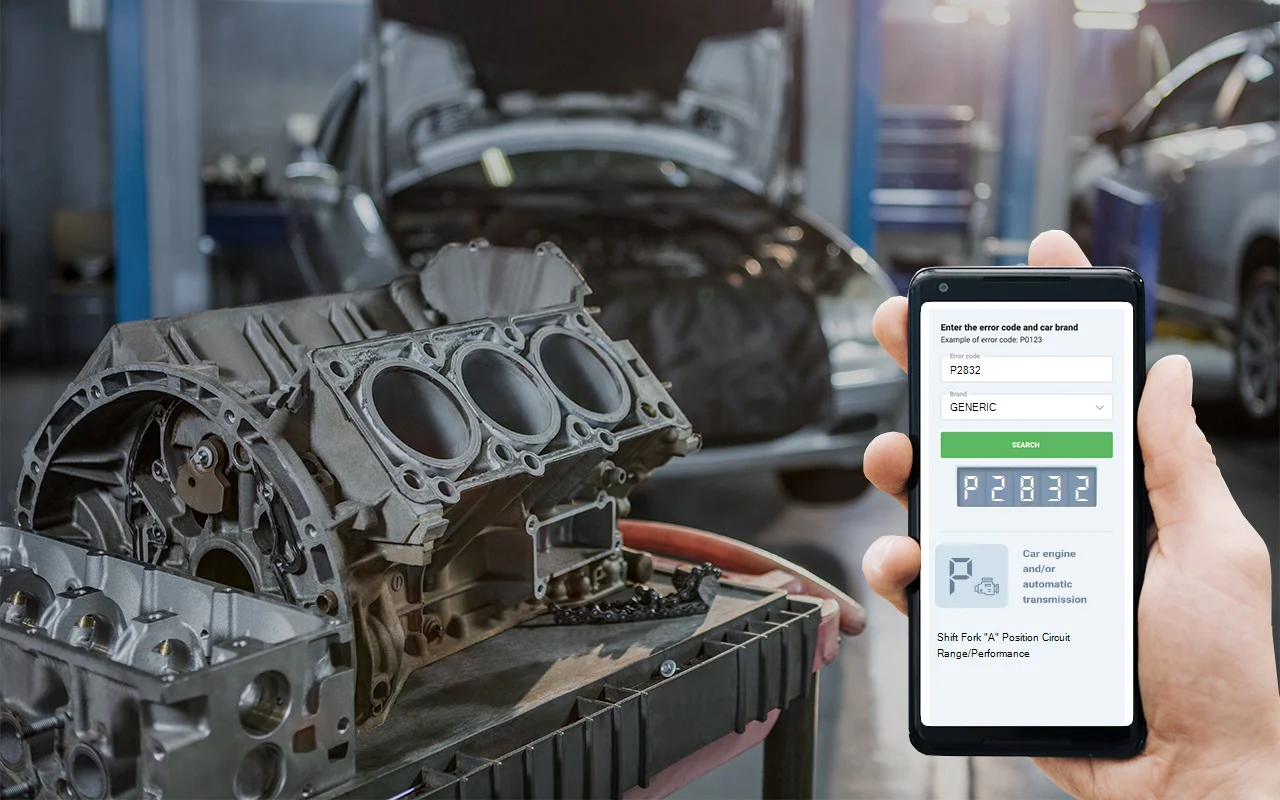
Causes of P2832 trouble code
From what I've seen and based on official repair info, the most common reasons for p2832 are:
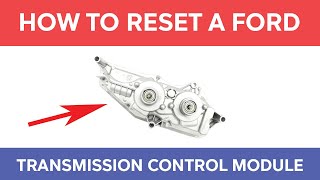
- An outdated or buggy software version in the transmission control module (TCM) - sometimes a simple reprogramming fixes it.
- A faulty TCM itself - the electronics inside can fail.
- Internal transmission problems - like a mechanical failure in the shift actuator or the gears it controls.
- Wiring or connector issues - damaged wires, corroded pins, or loose connections between the TCM and the transmission.
Most often the issue is with the TCM or its software, but I always check the wiring and connectors first because that's a quick win if you spot something obvious.
Symptoms and obd code P2832
If you’re seeing a p2832 code, you’ll probably notice a few classic signs while you’re driving:
- The check engine or transmission warning light comes on-can’t miss that one.
- You might find the car hesitating or flat-out refusing to go into certain gears.
- Sometimes, shifts feel rough, they’re delayed, or just plain unpredictable.
- And in some cases, the car will throw itself into limp mode, only giving you a couple of gears and putting a hard cap on your speed to save the transmission from further damage.
If you spot any of these, don’t shrug it off. What starts as a warning light can quickly turn into a much bigger problem if left unchecked.

Diagnosis and P2832 code troubleshooting
Whenever I get a vehicle in with this code, here’s my go-to process:
- First thing, I scan for other codes and clear them all out. If p2832 pops back up right away, I know it’s a live issue.
- Next, I take a close look at the wiring harnesses and connectors running to both the TCM and the transmission. Frayed wires, loose plugs, corrosion-any of those can cause headaches. Remember to check both ends, because problems can hide at either the TCM or the transmission side.
- If the wiring checks out, I’ll hunt down any available software updates for the TCM. More than once, I’ve seen a simple reflash fix the problem for good.
- Still got the code? Time to break out a good scan tool that can command the actuators and show me their positions. If the actuator doesn’t respond or its movement readings are off, that’s a smoking gun.
- When it points to a bad actuator or TCM, I follow the OEM test procedures to confirm and then replace what’s actually faulty-no guesswork.
Here’s a pro-tip from the garage: have a buddy help you during wiring checks. One of you can wiggle the harness while the other watches the scan tool for any glitches. Sometimes, that’s all it takes to catch an intermittent fault.
Common Mistakes with obd2 code P2832
A classic mistake I see is folks jumping straight into swapping out the TCM or even the whole transmission, only to find the real culprit was a bent pin or a crusty connector. Overlooking the basics-like a quick wiring check-can cost you big. And don’t skip the software update step; it’s easy to miss, but can save you a lot of money and hassle. Always start with the simple stuff first before you start throwing expensive parts at the problem.

Seriousness of P2832
Take it from me: this isn’t something you want to ignore. If your shift actuator or TCM is on the fritz, your car’s shifting becomes unpredictable-and that’s a recipe for trouble, especially at highway speeds or in traffic. Letting it slide can snowball into shredded gears, burnt clutches, or a transmission that’s completely toast. Once you’re in limp mode or stuck in one gear, you’ll wish you’d tackled it sooner. Don’t risk it-get it looked at before it gets ugly.
Repair options for dtc P2832
Here’s how I’d approach it, based on what’s actually worked in the shop:
- Start by checking all the wiring and connectors. Clean up any corrosion, make sure everything’s tight, and replace anything sketchy.
- If the wiring’s solid, update the TCM software if there’s one available. Sometimes that’s all it takes to clear the code for good.
- Still stuck? Time to test the TCM and shift actuator according to the factory procedure. Replace whichever one fails the test-don’t just guess.
- And if you find the transmission has internal mechanical damage (which is rare but not impossible), you might be looking at a rebuild or replacement-but that’s really the last stop on the list.
Start simple and cheap, then work your way up. That’s how you save time and money.


Conclusion
Long story short, p2832 means your shift actuator "A" isn’t doing its job, and that can lead to a world of shifting trouble if you let it ride. This isn’t something to ignore-catch it early and you’ll dodge bigger (and pricier) problems down the road. Always begin with a careful check of the wiring and connectors, look into possible TCM software updates, and only get into parts replacement if those don’t do the trick. That’s the method I trust to get your transmission back to smooth, reliable shifting.
 5073
5073 5 minutes of reading