
Causes and obd2 code P2834 troubleshooting
From what I see most often in the shop, the main culprits for a P2834 code are:
- Outdated software in the transmission control module (TCM)-sometimes a simple reprogramming is all it takes.
- A faulty TCM itself-these modules can fail internally and send the wrong signals.
- Internal transmission problems-like a jammed or worn shift fork, or issues with the electric shift motors.
- Wiring or connector issues-damaged, corroded, or loose connectors can break the circuit.
Both Ford and Nissan list these same root causes, so it’s a pretty universal issue for vehicles using this type of electronically controlled shifting.
Symptoms associated with the P2834 trouble code
If your car’s got this code, here’s what you’ll probably notice: the check engine light or service engine warning comes on, and you might feel the transmission acting up-like rough or delayed shifting, or even getting stuck in a single gear. Sometimes, the car might refuse to shift at all, or you’ll feel a harsh clunk when it tries. In some cases, you might not notice much right away, but that warning light is your early heads-up that something’s brewing under the hood.

Diagnosis steps for dtc P2834 detection
Here’s how I usually tackle a P2834 code, step by step:
- First, I always start by scanning for any other codes-sometimes there’s more than one issue, and that can help point you in the right direction.
- Next, I clear the code and see if it comes back right away. If it does, that’s a strong sign the problem is still active.
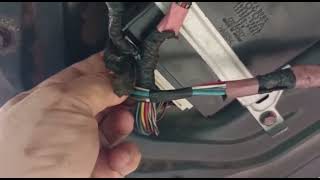
- Then, I do a thorough visual inspection of the wiring harness and connectors going to the transmission and TCM. Look for broken wires, corrosion, loose pins, or anything that looks out of place. It’s best to have good lighting and maybe a helper to wiggle the harness while you watch for changes.
- If the wiring checks out, I’ll check for any available TCM software updates-sometimes the fix is as simple as reprogramming the module.
- If that doesn’t solve it, I move on to testing the TCM and the shift fork actuators themselves. This usually means using a scan tool to command the actuators and see if they respond, or checking resistance and voltage at the connectors.
- If all else fails, it may be time to open up the transmission and inspect the shift fork and related hardware for wear or damage-but that’s a last resort.
Don’t forget to double-check every connector before moving on to the expensive stuff. It’s amazing how often a simple loose pin is the real culprit.
Common mistakes made with obd code P2834 issues
I’ve seen a few common slip-ups with this code. The biggest one is jumping straight to replacing the TCM or tearing into the transmission without checking the wiring and connectors first. Another mistake is ignoring possible software updates-sometimes the manufacturer releases a fix that’s just a reflash away. And don’t overlook the basics: missing a damaged connector or a pin that’s just barely making contact can lead to a lot of wasted time and money.

Seriousness of the P2834 code and potential risks
This isn’t something you want to ignore. A malfunction in the shift fork position circuit can leave you stranded, stuck in the wrong gear, or even cause further damage to the transmission or TCM if you keep driving. In the worst cases, you could lose the ability to shift altogether, which is a serious hazard-especially if it happens in traffic. Internal transmission parts like the shift fork, shift drums, or even the electric motors themselves can get damaged if the issue is left unchecked. Honestly, it’s best to get this sorted out as soon as possible.
Repair options for P2834 engine code resolution
Here’s what usually gets the job done for a P2834 code:
- Reprogramming or updating the TCM software if there’s an update available.
- Repairing or replacing damaged wiring or connectors between the TCM and the transmission.
- Replacing the TCM if it’s found to be faulty after testing.
- If internal transmission damage is found, repairing or replacing the shift fork, shift drum, or actuator motor as needed.
Always start with the simplest and least expensive fixes before moving on to the big jobs.

Conclusion
To sum it up, P2834 means your transmission isn’t getting the right signals to shift gears properly, usually due to an electrical or control issue. It’s a high-priority problem that can quickly get worse if ignored, so don’t put it off. The best approach is to start with a careful inspection of the wiring and connectors, check for any TCM software updates, and only move on to parts replacement if those don’t solve it. In my experience, taking it step by step is the most reliable way to get your car shifting smoothly again and avoid bigger headaches down the road.
 5024
5024 5 minutes of reading