
Causes of P2836 engine code
From experience, the most common reasons I see for a p2836 code are:
- An outdated or buggy software in the transmission control module (TCM)-sometimes a simple reprogramming is all it takes.
- A faulty TCM itself, which can’t send or receive the right signals to the shift motors.
- Internal transmission problems, like mechanical issues with the shift fork or the gear actuators.
- Wiring problems-damaged harnesses, corroded connectors, or loose pins can all throw this code.
It’s worth noting that both Ford and Nissan list these as the main suspects, so no matter which badge is on your car, these are the places I’d start looking.
Symptoms of obd code P2836
If you’ve got a p2836 code, here’s what you might notice while driving:
- The check engine light or service engine warning will almost always come on.
- You might feel the transmission hesitating, struggling to shift, or even refusing to go into certain gears.
- In some cases, the car might go into limp mode, where it limits power and gear selection to protect itself.
- Shifting could feel rough, delayed, or unpredictable.
Basically, if your car suddenly feels odd when shifting or the warning light pops up, this code could be the culprit.

Diagnosis with obd2 code P2836
Let me walk you through how I usually chase down a p2836 code:
- First up, I always grab a solid scan tool and read every code-not just p2836, but anything else that might offer clues. Sometimes, it's the codes you weren't expecting that crack the case wide open.
- Next, I put eyes and hands on the wiring harnesses and connectors running to the transmission and TCM. I’m checking for frayed wires, green fuzz from corrosion, loose pins, or connectors not fully seated. Here's a pro-tip: have someone lightly wiggle the harness while you watch readings on your scan tool-you'd be amazed how often a hidden break shows up only when things move.
- After wiring checks out, I dig into the TCM software version. If there’s a technical service bulletin (TSB) or known update, a quick reflash can sometimes save hours of labor and a big bill.
- If software and wiring are healthy, then it’s time for some voltmeter work. I’ll test the TCM and the shift fork actuator itself, making sure signal continuity and voltage are what they should be.
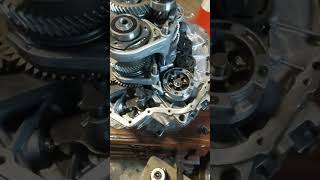
- Still no luck? Now I consider internal transmission issues. At this point, you might be looking at dropping the pan or even opening up the transmission-advanced stuff, and not for the faint of heart or the home mechanic without the right tools.
If I’ve learned anything over the years, it’s that connectors are often the real villains. Before you buy any parts, double-check every plug and pin for corrosion or looseness-it’s a quick fix that can save you hundreds.
Common Mistakes when dealing with P2836
Here's where I see folks go wrong time and again:
- Diving headfirst into swapping out TCMs or yanking transmissions before checking the basics-wiring and software. Don’t let impatience cost you big.
- Missing that tiny bit of corrosion or a bent connector pin. These little details can make or break the fix.
- Ignoring other codes that could be pointing you toward the true problem spot elsewhere in the system. Always look at the big picture.
Remember, always start simple. Nine times out of ten, it's something quick and cheap before it’s something major.

Seriousness of dtc P2836
Take it from me: you don’t want to brush off a p2836 code. Keep driving like nothing’s wrong and you risk getting stuck in the wrong gear or losing the ability to shift altogether. That’s not just inconvenient-it can be downright dangerous if it happens in traffic or during a merge. Even worse, forcing the transmission to keep running with a bad shift fork or TCM can lead to fried actuators, chewed-up gears, or a totally wrecked transmission. Things can snowball fast. Trust me, it’s not worth putting off.
Repair steps for P2836 trouble code
Here’s what usually gets a p2836 sorted in my shop and in the service manuals:
- Reprogramming or updating the TCM software if an update or TSB applies. Sometimes, that's all it takes.
- Repairing or swapping out any damaged wiring or connectors-clean those pins, chase out corrosion, and fix any broken wires.
- If the TCM fails the tests, replacing it is your next step.
- And when the issue is inside the transmission, you’re looking at replacing or repairing the shift fork actuator or related parts.
My advice? Always start with software and wiring-the easy wins-before you start pulling out control modules or tearing into the transmission itself.


Conclusion
Bottom line: P2836 means your transmission’s shift fork position circuit “B” isn’t doing its job, and that’s bad news for smooth shifting. This code is one you need to take seriously-wait too long, and you could end up stranded or facing a massive repair bill. Your best bet is to start with a full inspection of wiring and connectors, make sure your TCM software isn’t out of date, and only then look at bigger fixes like new parts or transmission work. Quick action now keeps your ride on the road and your wallet in your pocket.

 5169
5169 6 minutes of reading