
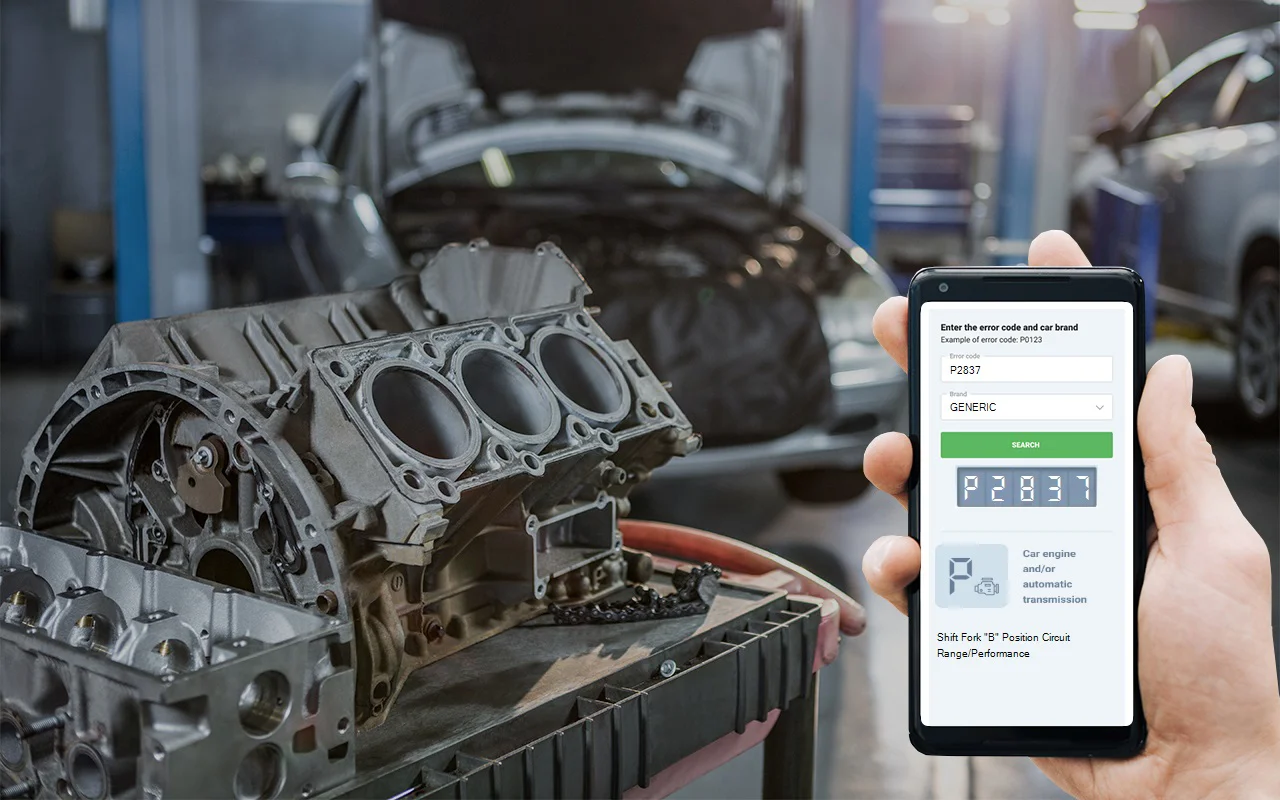
Causes of obd2 code P2837
From what I see most often in the shop, the main culprits behind a P2837 code are:
- An outdated or corrupted software in the transmission control module (TCM)-sometimes a simple reprogramming is all it takes.
- A faulty TCM itself, which can’t properly control the shift motors.
- Internal mechanical problems inside the transmission, like a jammed or worn shift fork or actuator.
- Damaged wiring or connectors going to the TCM or the shift motors-corrosion, bent pins, or loose connections can all cause trouble.
For both Ford and Nissan, these are the most common root causes I run into. It’s rare, but sometimes a combination of these issues can show up at once.
Symptoms of P2837
Whenever this code pops up, you’re likely to spot a few warning signs. The check engine light is usually the first to blink, and sometimes you’ll get a dedicated transmission warning on your dash. What’s really telling though, in my experience, is how the car shifts. You might notice the transmission hesitating, clunking, or even refusing to shift altogether-sometimes it locks itself in one gear and calls it a day. I’ve had drivers tell me about rough or sluggish gear changes, or the car slipping into ‘limp’ mode where it won’t let you go past a certain speed. And every now and then, the only clue is that pesky warning light, with the car still driving pretty normal. Even then, don’t ignore it-problems like this never fix themselves.

Diagnosis steps for dtc P2837
Let me walk you through how I’d track down a P2837 code in the shop:
- First thing’s first: I hook up a scan tool and pull all the codes-sometimes, you’ll get companion codes that help paint the full picture.
- Next, I get my flashlight and check the wiring and connectors around the TCM and transmission. I’m hunting for any broken wires, green corrosion on the pins, or connectors that wiggle when they shouldn’t. Don’t forget to take a peek underneath for smashed harnesses or signs of fluid leaks-those can cause all sorts of headaches.
- If the wiring checks out, I look up the TCM software version. Manufacturers put out updates all the time to fix driveability bugs-if yours is behind, get it reprogrammed before you chase mechanical ghosts.
- If that doesn’t clear things up, I’ll run some actuator tests with the scan tool. This tells me if the shift motors are moving like they should, or if one’s stuck, lazy, or making ugly noises.
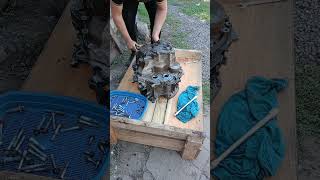
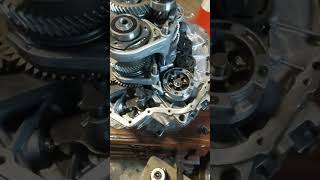
- Should the actuator test fail, or if I hear something grinding inside, that’s my cue to dig deeper-sometimes that means dropping the transmission pan, or even pulling the unit for a hands-on look at the shift fork and actuator inside.
A quick word to the wise: If you’re not comfortable crawling under your car, grab a buddy for the inspection, and always disconnect the battery before you start poking at connectors. Don’t take shortcuts with safety.
Common Mistakes when fixing P2837 engine code
I’ve seen a few common mistakes when folks try to tackle this code. One is jumping straight to replacing the TCM or transmission without checking the wiring and connectors first-sometimes it’s just a dirty or loose connection causing all the trouble. Another is ignoring software updates; a lot of these issues can be fixed with a simple reflash. Also, some people clear the code and hope it won’t come back, but that’s a surefire way to end up stranded later. Always make sure to do a thorough check before replacing any expensive parts.

Seriousness of P2837 code
This is not something you want to put off. If you ignore a P2837 code, you risk getting stuck in one gear, losing the ability to shift, or even damaging the transmission further. I’ve seen cases where continued driving with this issue led to burned-out actuators or internal transmission damage, which can be a very expensive fix. The risks just aren’t worth it-this is a serious hazard, especially if the car suddenly loses power or can’t shift while you’re on the road. Parts that can be damaged include the shift fork, actuator motors, and even the TCM itself.
Repair solutions for obd code P2837
From what’s worked in the field and what the OEM procedures recommend, here’s what usually fixes a P2837:
- Reprogramming or updating the TCM software if there’s a newer version available.
- Repairing or replacing damaged wiring or connectors-cleaning corrosion, tightening pins, or replacing broken plugs.
- Replacing the TCM if it’s found to be faulty after all other checks.
- If there’s an internal mechanical issue, repairing or replacing the shift fork or actuator inside the transmission.
It’s best to start with the simple stuff-software and wiring-before moving on to the big-ticket items.

Conclusion
Here’s the bottom line: P2837 means the shift fork actuator inside your transmission isn’t doing its job, thanks to a problem with the TCM, wiring, or the actuator itself. Don’t let it sit-these issues only get worse and more expensive if you ignore them. Always start with a careful check of the wiring and software, then move to the TCM or internal parts if you have to. Quick action is your best bet to keep your ride running smoothly and avoid an ugly roadside breakdown.
 4956
4956 6 minutes of reading