
Causes of P283C Engine Code
When I run into P283C in the shop, it nearly always boils down to a handful of usual suspects. Number one? Outdated TCM software-believe it or not, a reflash can sometimes fix the whole mess. Other times, the TCM itself has simply given up the ghost and needs to be swapped out. Every now and then, the trouble’s deeper, like a jammed shift fork or a worn actuator inside the transmission. Here’s the checklist I always run through first:
- Old TCM software that needs an update
- Defective TCM (internal component failure)
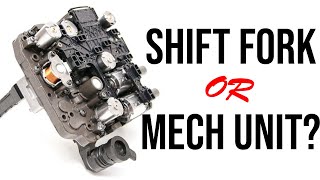
- Mechanical issues inside the trans-shift fork or actuator problems
- Frayed wires, corroded pins, or loose plugs at the TCM or transmission harness
Whether you’re wrenching on a Ford or a Nissan, these are the root causes you’ll see most often. The official manuals back it up, too.
Symptoms Associated with P283C Trouble Code
If P283C has popped up on your scan tool, you’re almost guaranteed to get a check engine light or service engine warning staring back at you from the dash. Sometimes, that’s the only sign-especially early on. But don’t be surprised if the transmission starts acting up: maybe it slams into gear, hesitates to shift, or refuses to go into certain gears altogether. On the worst days, your car might not budge an inch. I’ve seen it all-sometimes the code’s the only clue, and sometimes the transmission puts on a real show with rough, delayed, or missing shifts.

Steps for Diagnosing P283C
Let me walk you through how I’d work this code. First up: don’t overlook the basics. Pop the hood and give the wiring harness and all connectors to the transmission and TCM a good look. Watch for broken wires, corroded or bent pins, or anything that looks out of place. I can’t count the times a loose plug or a pin out of place was the whole problem. Next, hook up a scan tool and look for other codes-sometimes P283C isn’t working alone, and another code can point you in the right direction. If the wiring checks out, I always check if there’s a TCM software update. You’d be surprised how often a reflash at the dealer sorts this out. When software’s current and connections are good, I’ll move on to testing the TCM itself. That usually means breaking out the multimeter and following the manufacturer’s test sequence. If the TCM passes, then you’re likely dealing with something mechanical inside the transmission-shift fork or actuator. At that point, you’ll need to open things up. Here’s a pro tip: have someone wiggle the connectors while you watch live data on your scan tool. It’s a great way to catch those intermittent wiring gremlins.
Common Mistakes When Repairing P283C Code
A classic mistake I see is folks jumping straight to major surgery-replacing the TCM or even the whole transmission-without checking the basics. Skipping a thorough wiring check or ignoring the need for a software update is a great way to throw money down the drain. Another one? Not scanning for other related codes. Sometimes, those extra codes are the bread crumbs that lead you to the real problem. My rule: always start simple and work your way up. Don’t get ahead of yourself and replace expensive parts before you know what you’re dealing with.

Seriousness of OBD2 Code P283C
I can’t stress this enough-P283C isn’t a code you want to ignore. Keep driving with it, and you’re flirting with disaster. You could end up stranded if the transmission decides it’s had enough and stops shifting altogether. Worse yet, letting it go can cause collateral damage-shift forks, actuators, or even the TCM can get cooked, turning a straightforward repair into a wallet-busting project. I’ve seen folks gamble and lose big by putting this off. Bottom line: this code can escalate quickly, and if your transmission locks up on the highway, it’s not just inconvenient-it’s downright dangerous.
How to Repair DTC P283C Effectively
Nine times out of ten, I’ll start by updating the TCM software. If that does the trick, you’re golden. If not, I move on to checking and fixing any busted wires or bad connections-sometimes it’s as simple as cleaning a corroded plug. If the wiring and software are both good, I’ll try swapping in a new TCM. Still got the code? Then you’re likely dealing with a mechanical issue, and it’s time to get inside the transmission and look at the shift fork or actuator. Always lean on your vehicle’s official repair guides for step-by-step instructions-it can save you a ton of headaches down the line.

Conclusion
Here’s the deal: P283C means your shift fork 'C' isn’t playing nice, and it’s almost always tied to the TCM or its wiring. Don’t sit on this-wait too long, and you could be staring at a much bigger (and pricier) job. Start with the easy stuff: check the wiring, clean the connectors, and make sure the TCM software is up to date. If that doesn’t solve it, then it’s time to dig deeper into the TCM or the transmission’s guts. Take action early, and you’ll keep your car on the road and yourself out of trouble.

 5831
5831 6 minutes of reading