
Main Causes and obd2 code P2843 Troubleshooting
From what I see most often in the shop, the usual suspects for a P2843 code are:
- An outdated TCM software version-sometimes the fix is as simple as reprogramming the module.
- A faulty TCM itself-if the module inside the transmission is acting up, it can’t control the shift motors correctly.
- Internal transmission problems-something mechanical inside the gearbox could be preventing proper shifting.
- Wiring or connector issues-damaged wires, corroded pins, or loose connectors between the TCM and the transmission can cause all sorts of headaches.
For both Ford and Nissan, these are the main things I check first, and in my experience, software and wiring are the most common culprits before you get into the expensive stuff.
Common Symptoms and obd code P2843 Warning Signs
If your car is flashing the P2843 code, here’s what I usually notice-and what you should watch for:
- The check engine light or a transmission warning light comes on. Occasionally, you’ll get both lighting up the dash at once.
- The transmission might hesitate, slam into gear, or flat-out refuse to shift into certain gears. Sometimes, it feels like you’re driving with a stubborn mule under the hood.
- Getting stuck in one gear or dropping into ‘limp’ mode is another classic sign. Basically, your car is protecting itself from further damage.
- Every now and then, the only clue is the warning light. But honestly, most of the time you’ll feel at least some change in how the car drives-so don’t ignore it if the transmission starts acting up.
If your car’s shifting feels off or you’re stuck in gear, don’t wait. Get it checked before you’re left calling a tow truck.

Step by Step Diagnosis for P2843 trouble code Issues
When I’m faced with a P2843, here’s the process I trust in the shop:
- Start with a full scan using a quality diagnostic tool-not just a basic code reader. You want to confirm the code and look for any related codes hiding in the system.
- Next, I give the wiring harness and connectors between the TCM and transmission a thorough once-over. I’m hunting for damaged wires, green corrosion, loose or bent pins-anything that doesn’t look right. Miss one bad connection, and you can chase your tail for hours.
- Once the wiring checks out, I look for TCM software updates. Manufacturers are constantly releasing patches to iron out bugs that can cause this code.
- If the wiring and software are both in the clear, I’ll use the scan tool to run actuator tests on those shift motors. If a motor doesn’t respond or acts up, that’s a solid lead.
- Only after all that do I start thinking about pulling the TCM or opening up the transmission itself, and honestly, you usually find the issue before it gets that far.
Here’s a tip: have someone gently wiggle the connectors while you watch live data or run tests. Sometimes, a hidden break only shows up when things are moved around a bit.
Common Mistakes When Dealing with P2843 engine code
Here’s where I see folks go wrong, time and again:
- People jump straight to replacing the TCM or even the whole transmission before checking the wiring and connectors. That’s throwing parts (and money) at the problem without fixing it.
- Skipping over software updates. I can’t tell you how many times a simple reflash would’ve saved someone hundreds of dollars.
- Missing that tiny bit of corrosion or a slightly bent pin in a connector. Even a hairline fault can cause big headaches.
- Using a cheap, generic code reader instead of a proper scan tool. You’ll miss out on crucial data and end up guessing.
Don’t rush the basics-nine times out of ten, that’s where the fix is hiding.

How Serious is P2843 and What to Expect
P2843 isn’t something to shrug off. Ignoring this code could lead to much more than just rough shifting. The transmission might lock itself into a single gear-or worse, drop into limp mode and leave you stuck on the side of the road. If you keep driving with this problem, you risk burning out the shift motors, frying the TCM, or even causing serious internal damage to the transmission. Trust me, you don’t want to gamble with this-what starts as a manageable issue can spiral fast if you let it go.
Effective Repair Solutions for dtc P2843 Problems
Based on what I’ve fixed in the field and what OEMs recommend, these are your go-to solutions for a P2843:
- First, try reprogramming or updating the TCM software. If it’s a software glitch, this can sort things out in minutes.
- If the wiring or connectors are damaged-think corrosion, broken wires, or loose pins-repair or replace those right away. That’s where I find most problems start.
- If every test points to a faulty TCM, then it’s time for a replacement. Sometimes, electronics just give up.
- On rare occasions, if there’s a mechanical fault inside the transmission, you’ll have to go deeper and repair or replace those components.
My advice? Always chase the simplest fix first. It’s usually easier on your wallet and keeps you from tearing into the transmission unnecessarily.
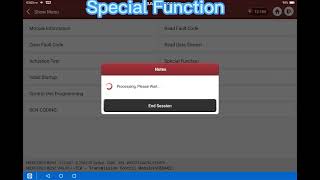
- Mercedes TCM DTC P2806 Component Y3/8s1 was not taught in. By Thinktool Master
- Engine Won''t Accelerate,No Power FAULT CODE EDC 03775-02 MAN TGA

- Hybrid Diagnosis P3000, P1600, P1601 DTC Codes Trouble Code Procedure by Dorman Products
- VW DTC P1853 Databus Drivetrain: Impossible Message From ABS Control Module by Thinktool Master
Conclusion
Bottom line-if you’re getting a P2843, your transmission’s shift control system isn’t reading the Drive position correctly, and that’s a recipe for shifting headaches or worse. Don’t wait around. Start with a scan tool, check all your wiring and connectors, and make sure the TCM’s running the latest software. Most of the time, you’ll find the problem in those first steps. But if you don’t, don’t be afraid to dig deeper. A methodical, step-by-step approach is your best bet. Fix it sooner rather than later-your transmission (and your wallet) will thank you.

 4458
4458 6 minutes of reading