
Causes of dtc P2847
From experience, the most common reasons for a P2847 code are:
- Outdated or corrupted software in the transmission control module (TCM)-sometimes a simple reprogramming is all it takes.
- A faulty TCM itself, which can’t process the sensor signals correctly.
- Internal transmission problems, like a worn or damaged shift fork or actuator.
- Wiring issues-damaged, corroded, or loose connectors between the TCM and the transmission sensors.
In both Ford and Nissan vehicles, these are the main culprits. I’ve seen cases where just updating the TCM software fixed everything, but sometimes it’s a deeper mechanical or electrical issue.
Symptoms of P2847 trouble code
If you’re running into this code, here’s what’s likely to tip you off: The check engine or transmission warning light usually pops on, and you might notice the car doesn’t shift as smooth as it should. Sometimes it’ll hesitate, jerk, or even get stuck in a single gear. There are times when the transmission kicks into ‘limp’ mode to protect itself, which basically means you’re stuck with limited speed and gear options. If you notice any of these symptoms-especially if shifting feels weird or the car refuses to go into gear-it’s a solid sign you need to dig deeper.

Diagnosis steps for P2847 code
Let me walk you through how I tackle this one in the shop:
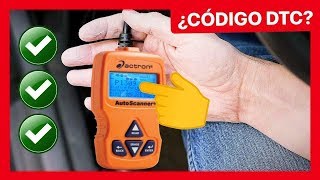
- First thing, I always scan for any other transmission codes. Sometimes P2847 is just the start of a bigger story.
- Then I get under the car and check the wiring harness and connectors to the transmission and TCM. Bent or corroded pins, loose plugs-these are the little things that can cause big headaches. If you’ve got a buddy handy, have them wiggle the harness while you watch for flickering lights or sudden changes.
- If the wiring checks out, I’ll look up the TCM software version. Manufacturers roll out updates to fix weird glitches more often than you’d think. If there’s a newer version, reprogramming the TCM might do the trick.
- Still no luck? I’ll hook up a scan tool and watch the shift fork position sensors and actuators as I move through the gears. You’re looking for readings that make sense-if they’re bouncing around or stuck, there’s your problem.
- If the sensors or actuators aren’t playing nice, or if something feels off internally, it’s time to open up the transmission. Sometimes you’ve got to pull the pan or even the whole unit to see what’s going on inside.
Here’s a pro-tip from the garage: always double-check every connector before you start tossing expensive parts at the problem. A single loose wire has fooled more than one tech-including me-over the years.
Common mistakes in P2847 engine code troubleshooting
A classic mistake I see is folks jumping right to swapping out the TCM or even the entire transmission without checking the basics. Overlooking the wiring and connectors is a rookie move-something as simple as a corroded pin can copycat much bigger problems. Another common blunder? Not updating the TCM software before pulling parts. Always start with the easy stuff before you reach for your wallet.

Seriousness of P2847 issues
Let me be blunt: you really don’t want to ignore this one. If the TCM can’t trust what the shift fork is telling it, the transmission might shift erratically-or not at all. That’s not just inconvenient; it’s downright dangerous if you’re in traffic and suddenly lose power or get stuck in the wrong gear. I’ve seen folks let this go too long, and it’s cost them big-worn gears, fried clutches, or a cooked TCM. This is one of those codes that can snowball fast if you don’t jump on it right away.
Repair solutions for obd2 code P2847
When I’m fixing a P2847 code, here’s my usual plan of attack:
- Check if there’s a TCM software update and reprogram if needed. Sometimes that’s all it takes.
- Repair or replace any sketchy wiring or connectors between the TCM and transmission. Don’t overlook even small signs of corrosion or wear.
- If the TCM itself is toast, swap it out and make sure it’s programmed to your specific vehicle.
- For internal transmission trouble-like a worn shift fork or bad actuator-you’ll need to repair or replace those parts as necessary.
And don’t forget: always clear the code and take the car for a solid test drive before calling it fixed. You want to make sure the problem’s really gone and not just hiding for now.



Conclusion
Here’s the bottom line: When you see P2847, your transmission isn’t getting the right info from shift fork ‘C’, and that can mean big trouble for how your car shifts-or if it moves at all. This isn’t something to ignore or put off. Start by checking the wiring and making sure your TCM software is up to date. If that doesn’t solve it, be prepared to dig into the transmission or swap the TCM. The best advice I can give? Follow a methodical, step-by-step diagnosis so you fix what’s actually wrong-not just what looks wrong at first glance. Get it sorted now, or you’ll be facing even bigger headaches-and a higher repair bill-down the road.

 3983
3983 6 minutes of reading