
Causes of P284B engine code
From my time under the hood, these are the root problems I see most often when a P284B code pops up:
- The TCM's running on outdated software-sometimes, all you need is a reflash to get things working again.
- The TCM itself is faulty-maybe it’s not sending or receiving the right signals.
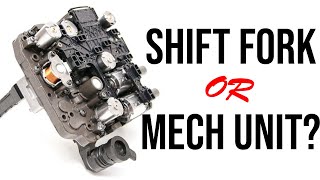
- There’s an internal issue in the transmission-like a bent or jammed shift fork, or some other mechanical hang-up inside the gearbox.
Ford and Nissan both list these same causes, so whether you’re driving a Focus or a Sentra, the troubleshooting game plan is pretty much the same.
Symptoms and warning signs of obd code P284B
When this code is active, nine times out of ten, you’ll spot the check engine or transmission warning light on your dash. You might also notice your car hesitating to shift, or outright refusing to go into certain gears. Sometimes it’ll get stuck in one gear, or you’ll feel harsh or delayed shifts. Any of these symptoms is your vehicle’s way of saying something’s not happy inside that transmission.

Diagnosis process for P284B trouble code
Let me walk you through how I’d chase down a P284B in the shop:
- First up, grab a scan tool. Confirm the code and check for any buddies-other codes can give you solid clues.
- Next, get your eyes on the wiring and connectors heading to the transmission and TCM. I can’t tell you how many times a crusty pin or loose connector has caused chaos. Look for broken wires, bent pins, corrosion, or anything that looks out of place.
- After that, check for TCM software updates. Manufacturers roll out these updates to tackle quirks that can bring up false codes.
- If the wiring and software are good, it’s time to test the TCM. Follow the factory flowchart: make sure you’ve got the right voltage, ground, and signal at the TCM plugs.
- Still no joy? Now you’re digging into the transmission itself. At this stage, you’re looking for a physically stuck or damaged shift fork, and that’s not a job for the faint of heart. Specialized tools and know-how are a must here.
Common mistakes when troubleshooting P284B
A classic mistake I see is folks jumping straight to swapping out the TCM or even the entire transmission without checking the basics. Skipping the wiring and connectors? That’s asking for trouble-a loose or corroded connection can throw the same code as a much more expensive failure. Ignoring software updates is another blunder; sometimes, all it takes is a quick reflash to clear things up. My advice? Always start with the simple stuff before you reach for the big-ticket parts.

How serious is dtc P284B
Don’t take this code lightly. If that shift fork stays stuck, you could find yourself stranded or suddenly unable to shift-dangerous stuff if you’re in traffic. Letting it go can snowball into bigger problems, like chewed-up gears or a fried TCM. I’ve seen transmissions wrecked because someone put this fix on the back burner. My advice? Get it checked out before a small headache turns into a full-blown migraine.
Repair options for P284B code
Here’s what typically solves a P284B, based on what I’ve seen on the bench and what the automakers themselves recommend:
- Update or reprogram the TCM software if there’s an update available.
- Repair or replace any damaged wiring or connectors between the TCM and the transmission.
- Swap out the TCM if it fails the tests.
- If the problem’s mechanical, you’re looking at repairing or replacing the affected shift fork or other internal parts.


Conclusion
To wrap things up, a P284B code means shift fork 'C' isn’t doing its job, usually thanks to TCM software bugs, a bad TCM, or something broken inside the transmission. Don’t put this one off-the risks of getting stuck or causing more damage are just too high. Start with a careful check of wiring and connectors, update the TCM software if you can, and only then move on to replacing parts. Trust me, catching it early is the best way to keep your transmission (and your wallet) happy.

 5758
5758 5 minutes of reading