
Causes of obd2 code P284E
From my years chasing electrical gremlins and oddball transmission faults, these are the biggest reasons I see for P284E:
- Out-of-date TCM software-believe it or not, sometimes all that’s needed is a simple software update. I’ve fixed more than a few cars by reprogramming the TCM.
- A TCM that’s on its way out. When the module starts sending weird signals or isn’t listening, you’ll get these types of codes.
- Mechanical trouble inside the transmission. Think of a sticking or worn shift fork, or a failing actuator motor. These parts take a beating and can gum up with time.
- Wiring and connector drama-corroded pins, broken wires, or loose plugs between the TCM and the transmission. I can’t count how many times a simple wiring issue was the real root of the problem.
With Ford and Nissan, these are the usual suspects in my shop. Even if you’re dealing with another make, the fundamentals are pretty much the same wherever this code shows up.
Symptoms of dtc P284E
If you’ve got a P284E active, you’ll almost always get a check engine light-sometimes you’ll see a separate transmission warning lamp, too. But there’s more: I’ve seen cars hesitate on takeoff, bang into gear, or outright refuse to shift into certain gears. Once in a while, the vehicle will throw itself into limp mode to protect itself, locking you into a single gear or drastically reducing power. If you’re feeling any of these, especially weird shifting behavior, don’t wait-get it checked before it gets worse.

Diagnosis steps for P284E code
Whenever a P284E lands on my bench, here’s my usual routine:
- Start by pulling all codes, not just P284E. Related codes can give you the real story.
- Next, I give the wiring and connectors a good look-especially the ones going to the transmission and TCM. Don’t just eyeball them; gently wiggle harnesses and watch for changes, because sometimes a hidden break only shows up with movement. Water or corrosion in the connectors is a classic cause.
- After wiring, I check the TCM’s software version. If it’s out of date, I’ll reflash or update it first. Car makers push out these updates to patch up known issues, and I’ve seen them solve problems without turning a single bolt.
- Once wiring and software check out, I grab a scan tool and command the shift actuators while watching for the right responses. If actuator “B” acts up-moving when it shouldn’t, or not moving at all-I know I’m onto something.
- If it points to a mechanical issue, now we’re talking about opening the transmission. Sometimes it’s a sticky fork or a tired actuator motor, and that’s not DIY territory. Internal access means special tools and experience.
Here’s a pro-tip: before you start replacing pricey parts, double-check every connector and wire. I’ve seen more headaches caused by a loose pin than by fancy electronics.
Common mistakes diagnosing the P284E engine code
A classic mistake I see, even from seasoned techs, is rushing to swap out the TCM or whole transmission before checking basics. Skipping the step-by-step logic-like inspecting wiring or doing a software update-can rack up a huge, unnecessary bill. Another pitfall: ignoring related codes. Sometimes, P284E is just a symptom, not the real culprit. Always start simple, and only get complicated if you have to.

How serious is obd code P284E
Don’t shrug this one off. Letting a P284E linger can lead to nasty shifting failures-leaving you stuck on the side of the road, or worse, stuck in a dangerous traffic situation. Keep driving with this fault, and you’re risking bigger damage to the transmission guts, actuator motors, or even frying the TCM. Trust me, ignoring it is a surefire way to turn a small job into a wallet-busting repair.
Best repair options for P284E trouble code
Here’s what typically gets the job done when I’m fixing a P284E:
- Start with updating or reprogramming the TCM software-if an update’s available, this can clear the code without any mechanical work.
- Track down and fix any damaged wiring or connectors between the TCM and the transmission. Sometimes just cleaning a corroded connector or repairing a broken wire solves everything.
- If the TCM itself is toast, replace it-but only after you’ve ruled out cheaper fixes.
- If you’re up against internal transmission problems, like a jammed actuator or bent shift fork, it’s time for a teardown and repair. This is best left to a pro with the right tools and know-how.
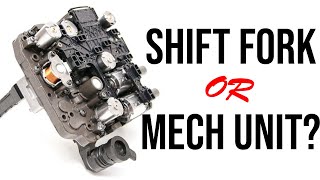
- Transmission Shift Fork Malfunction | P283200 | AskDap
- P1753 P1768 P1298 fix crazy Speedo D4 light flashing hard shift no power on takeoff diagnose
- TRAVELING UNDER TYPHOON SIGNAL #4 | DAU TO BAGUIO CITY | NOVEMBER 17 2024

- 2004-2020 Ford F-150 Four Wheel Drive Inoperative DTC P1867: Transfer Case Shift Motor Replacement

Conclusion
Bottom line: a P284E code means your transmission’s shift actuator “B” has gone rogue, moving when it shouldn’t-which signals a problem in the controls or inside the transmission itself. Get after it early-check wiring, update the TCM, then dig deeper if those don’t fix it. Waiting only ramps up the risk and the repair bill. The best way forward is a thorough, logical diagnosis-don’t start swapping parts until you’re certain they’re bad. That’s how you avoid wasted time, money, and headaches.

 4675
4675 5 minutes of reading