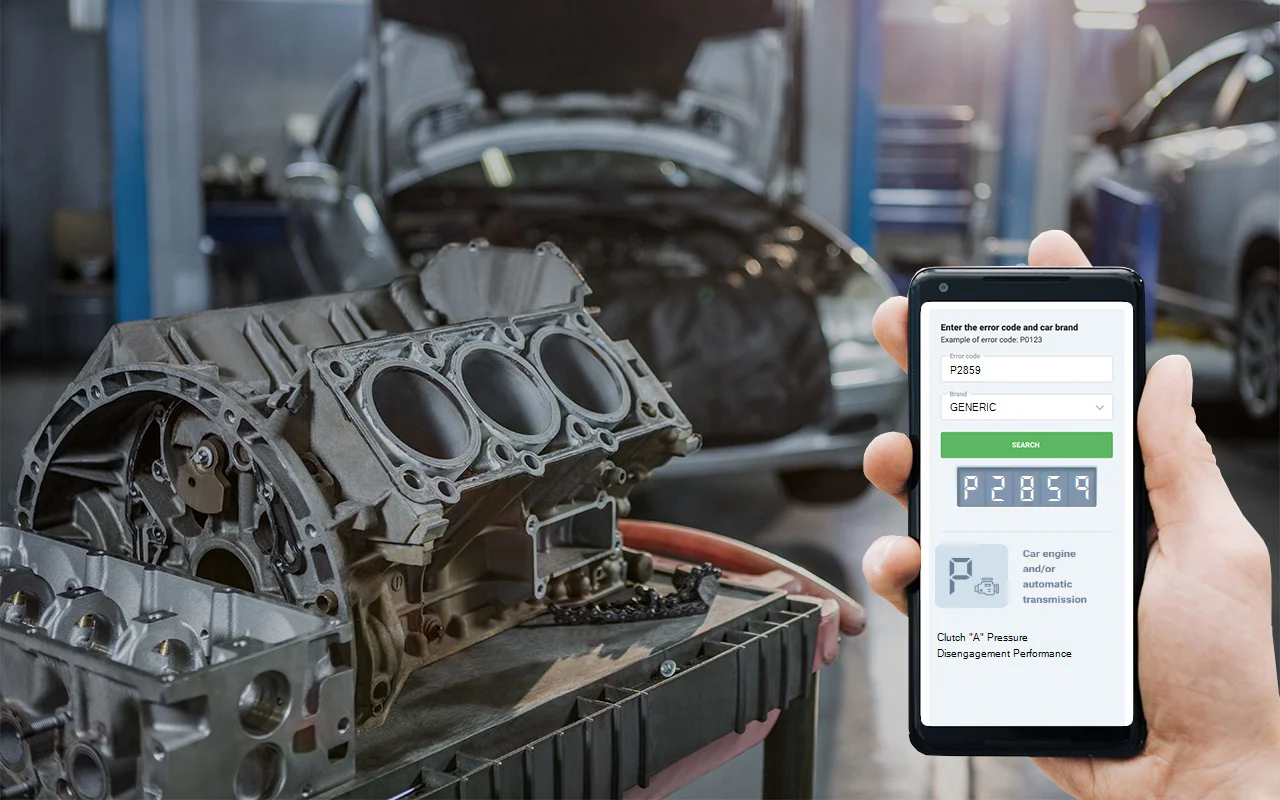
When you see that P2859 code pop up, you're looking at an issue with the clutch pressure disengagement-specifically Clutch 'A' inside your transmission. Over the years, I've noticed this code is basically your car's way of telling you that the clutch isn’t letting go of pressure like it’s supposed to. On Nissans, for example, there’s a dedicated solenoid and a control valve assembly buried inside the transmission doing all the heavy lifting. The computer keeps a close eye on signals from various sensors and switches, constantly adjusting pressure so your shifts stay buttery smooth. If the solenoid sticks or the valve gets gummed up, the computer loses control over clutch pressure-and that's when P2859 rears its head. Sure, different brands might have their own twists on this system, but at the end of the day, it always comes back to one thing: the clutch pressure just isn't being handled properly.
DTC P2859
 3903
3903 5 minutes of reading
Causes of obd code P2859
From what I've seen and according to the official repair info, the most common reasons for a P2859 code are:
- A faulty or sticking clutch pressure control solenoid (often called the "low brake solenoid" in Nissan models).
- Problems inside the control valve assembly-sometimes the valve gets stuck or worn out.
- Damaged wiring or poor connections at the solenoid or valve body harness-corrosion, bent pins, or loose connectors are big culprits.
- Internal transmission issues, though that's less common, it can happen if the problem is ignored for too long.
In my experience, it's usually the solenoid or a wiring issue, but you always want to check everything before jumping to conclusions.
P2859 engine code Symptoms
If your car has a P2859 code, here’s what you might notice:
- The check engine light or service engine warning comes on-sometimes that's the only sign at first.
- You might feel rough or delayed shifting, especially when the car is changing gears under load.
- Some folks report the car feels like it’s slipping or hesitating when accelerating.
- In rare cases, the transmission might go into a 'limp' mode to protect itself, which limits your speed and gear range.
Honestly, even if the car seems to drive okay, don’t ignore this-things can go south quickly if left unchecked.

dtc P2859 Diagnosis
Here’s how I usually tackle a P2859 code:
- First, I always start by checking for any other transmission codes-sometimes there’s more than one issue hiding.
- Next, I visually inspect the wiring and connectors at the transmission, especially around the solenoid and valve body. Look for broken wires, corrosion, or loose plugs. It’s better to have someone help you move the harness around while you watch for any changes.
- Then, I use a scan tool to monitor the solenoid operation and clutch pressure readings. If the readings don’t match what the computer expects, that’s a big clue.
- If everything looks good electrically, I move on to checking the solenoid itself. Sometimes you can test it with a multimeter for resistance, or use a power probe to see if it clicks on and off.
- If the solenoid checks out, the next step is to inspect the valve body for sticking valves or internal damage. This usually means dropping the transmission pan, so it’s a bit more involved.
Don’t forget to check the fluid level and quality-low or dirty fluid can cause all sorts of transmission headaches.
Common Mistakes with obd2 code P2859
One thing I see a lot is folks replacing the solenoid right away without checking the wiring or connectors. That’s a surefire way to waste money if the real problem is just a corroded plug. Another common mistake is ignoring the fluid-if it’s burnt or contaminated, that can cause the same symptoms. And sometimes people skip scanning for other codes, missing a bigger issue that’s affecting the whole transmission.

P2859 trouble code Seriousness
This is not something you want to put off. If you keep driving with a P2859 code, you risk damaging the transmission even further. The clutch can slip or fail to disengage, which can overheat the transmission and lead to much more expensive repairs-like a full rebuild or replacement. It’s a serious hazard, especially if the car suddenly loses power or can’t shift properly while you’re driving. Don’t wait until you’re stranded or the transmission locks up.
P2859 Repair Steps
Based on what’s worked in the field and the official procedures, here’s what usually fixes a P2859:
- Repair or replace any damaged wiring or connectors at the solenoid or valve body.
- Replace the clutch pressure control solenoid (low brake solenoid) if it’s faulty or sticking.
- Clean or replace the control valve assembly if there’s evidence of sticking or internal wear.
- Flush and replace the transmission fluid if it’s dirty or contaminated.
- In rare cases, more extensive transmission repair may be needed if there’s internal damage.
I recommend starting with the simple stuff-wiring and fluid-before moving on to parts replacement.
Conclusion
To sum it up, P2859 means your transmission isn’t controlling clutch pressure the way it should, usually because of a solenoid or valve issue. It’s a moderate to high risk problem-don’t ignore it, because it can lead to major transmission damage and leave you stranded. The most reliable way to fix it is to check the wiring and fluid first, then move on to the solenoid and valve body if needed. Acting quickly can save you a lot of money and hassle down the road.