
Causes and dtc P285A
From what I’ve seen in the shop and based on official repair data, the most common causes for a p285a code are:
- Faulty clutch pressure control solenoid (especially the one controlling clutch 'B')
- Problems in the wiring harness or connectors-think damaged wires, corroded pins, or loose plugs
- Issues with the hydraulic control valve body inside the transmission
- Internal clutch wear or sticking components
- For Nissan specifically, the high clutch and rear brake solenoid or the valve body assembly are often at fault
If I had to put money on it, electrical gremlins-like a bad solenoid or a wiring fault-top the list. But don’t rule out mechanical trouble, especially if you’ve got a high-mileage ride or you’ve noticed the car shifting rough for a while.
Symptoms and obd2 code P285A
If you’re dealing with this fault, here’s what you’ll likely notice:
- The check engine light or service engine warning comes on
- Shifting may feel rough, delayed, or unpredictable
- Sometimes the transmission might slip or hesitate when changing gears
- In some cases, the car might go into a ‘limp’ or reduced power mode to protect itself
Most drivers come in saying, “It just doesn’t shift right anymore,” or they’ll mention the car acts up out of nowhere after running fine. That’s a dead giveaway that something’s off with clutch control.

Diagnosis and P285A engine code
If you’re trying to track down a p285a, here’s how I go after it-some steps you can do yourself before heading to a shop:
- Plug in a good scan tool and pull all the codes, not just p285a-sometimes there’s a bigger story hiding in there
- Clear the codes and see if they come back. Every now and then, it’s a fluke, but if it returns, you’ve got a real problem on your hands
- Crawl under and inspect the wiring and connectors going to the transmission-broken wires, loose plugs, green corrosion or water can all cause headaches. Have a friend wiggle the harness while you watch for hidden breaks
- Check your transmission fluid: low or dirty fluid can cause all sorts of shifting weirdness
- If everything checks out, command the clutch solenoids on and off with the scan tool. Listen for the click-no sound or change means you’ve got a suspect
- Nissan folks: zero in on the high clutch and rear brake solenoids, plus the valve body assembly
- If you’re not handy with a meter, don’t guess-have a shop check solenoid resistance and control signals
Here’s a pro-tip from the garage: always check for Technical Service Bulletins (TSBs). Sometimes, the engineers already know about the issue and have a fix waiting for you.
Common Mistakes when fixing P285A
I’ve seen a few common pitfalls when folks try to fix this code:
- Jumping straight to replacing the transmission or clutch packs without checking the solenoids and wiring first
- Overlooking simple wiring issues-damaged wires or corroded connectors are easy to miss but cause big headaches
- Ignoring the fluid level and condition-old or contaminated fluid can mimic more serious problems
- Not checking for related codes that might point to a bigger electrical or control issue
Take it from me: don’t let the flashy transmission code fool you. Nine times out of ten, it’s something simple that gets missed because folks rush for the big fix first. Start small and work your way up.

Seriousness of P285A trouble code
Let me be blunt: this is not a code you want to ignore. If clutch pressure control isn’t working, you’re flirting with major transmission damage-burned clutches, fried solenoids, or getting stuck in limp mode on the side of the road. Things can get ugly fast if you drive too long like this, and the repair bill just keeps climbing the longer you wait. Trust me, you don’t want to gamble with this one.
How to Repair obd code P285A
Here’s what usually fixes this fault, based on verified repair cases and OEM procedures:
- Repair or replace any damaged wiring or connectors going to the transmission
- Replace the faulty clutch pressure control solenoid (especially clutch 'B' solenoid)
- On Nissan, replacing the high clutch and rear brake solenoid or the valve body assembly is often required
- Flush and replace the transmission fluid if it’s dirty or contaminated
- In rare cases, internal transmission repair or clutch replacement may be needed if there’s mechanical damage
My advice? Always tackle the basics first-wiring, solenoids, and fluid-before diving into bigger, more expensive repairs. It’s amazing how often that gets the job done.
- NIssan versa Como reparar Codigo P285A P2859 de la transmision CVT [Parte 1] ( Subscríbete)

- Nissan sentra tironea al acelerar código p2859🤔
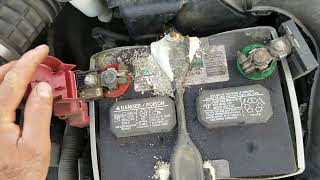
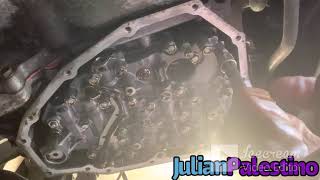
- NIssan versa Como reparar Codigo P285A P2859 de la transmision CVT Parte 3 ( Subscríbete )
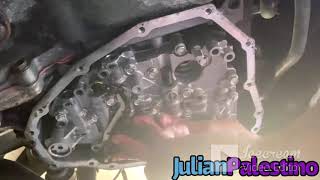
- NIssan versa Como reparar Codigo P285A P2859 de la transmision CVT Parte 2 ( subscríbete )
Conclusion
Bottom line: if you’ve got a P285A code, your transmission’s clutch pressure control system isn’t doing its job-and that spells trouble for both driveability and your wallet. Don’t sit on this code. Check the wiring, test the solenoids, and make sure your fluid’s spotless. If you strike out on the basics, let a pro take it from there. The sooner you act, the better your odds of a simple fix-and the smaller your repair bill will be in the long run.
 4770
4770 5 minutes of reading