
Common Causes of P3406 Engine Code
From my time under the hood, the usual suspects for a P3406 code almost always come down to oil or electrical gremlins. Here’s what I see most in the shop:
- Low engine oil pressure-if the oil’s not making it to the right places, the deactivation system just won’t play ball.
- Clogged or gunked-up oil passages-sludge or debris loves to block oil’s path to the lifters or solenoids.
- Faulty cylinder deactivation solenoid-age, dirty oil, or just plain bad luck can cause these to fail, whether it’s electrical or mechanical.
- Mechanical problems inside the engine-think worn camshafts, lifters, or a sticky valve in cylinder 1.
- Wiring or connector issues-corroded, broken, or loose wires feeding the solenoid are a classic headache.
That’s the hit list for Dodge, but depending on the brand, you might run into a few unique twists based on how their system’s laid out.
Typical Symptoms of P3406 Trouble Code
Usually, the first thing you’ll spot is the check engine light staring you down. Sometimes, that’s about it. But more often than not, you’ll start to notice the engine feels a bit off-maybe it’s rough at idle, or it stumbles when the system tries to switch between V8 and V4. Some drivers mention worse gas mileage, or you might pick up a tapping or ticking noise from under the hood. If the problem’s left to stew, you could feel a drop in power or sluggish acceleration. It’s not always an in-your-face failure at first, but trust me, it’s not something you want to let slide.

How to Diagnose OBD Code P3406
Whenever I’m chasing down a P3406 code, here’s how I like to tackle it:
- Start with the basics: check your oil level and condition. Old, dirty, or low oil is a recipe for disaster with these setups. If it’s overdue, swap it out right off the bat.
- Next, eyeball the wiring and connectors going to the cylinder 1 deactivation solenoid. Look for broken or frayed wires, corrosion, or connectors that aren’t snapped in tight. Sometimes, a little wiggle while watching the scan tool will show something you’d miss otherwise.
- I’ll usually grab a scan tool and try to command the solenoid on and off-if it doesn’t react, I break out the multimeter and check resistance against the specs from the service manual.
- If the solenoid checks out, it’s time to look at oil pressure. I’ll use a mechanical gauge to confirm there’s enough pressure, especially at idle.
- When all else looks good but the code’s still there, I dig deeper-sometimes you’ll uncover a bad lifter, a worn cam, or a valve issue. That’s a bigger job, but you can’t ignore it if everything else checks out.
Here’s a pro-tip: clear the code and take it for a spin after each fix. If the code doesn’t come back, you’re golden. Sometimes, the simple stuff is all it takes.
Common Mistakes to Avoid with P3406
A classic mistake I see is folks rushing out to swap the solenoid before they’ve even checked the oil or looked at the wiring. That’s a fast way to throw money away. Another one? Forgetting about clogged oil passages-if gunk’s blocking oil flow, you can swap parts all day and never solve the real problem. And don’t get tunnel vision: something as basic as a loose plug or a blown fuse can be the culprit. I always tell folks-start with the easy stuff and only move to the big-ticket repairs if you have to.

How Serious is OBD2 Code P3406
Let me be straight with you-this isn’t a code you can ignore and hope it goes away. If you let a P3406 ride, you’re risking big-time engine damage, especially to the cam, lifters, or valves. Low oil pressure or a stuck lifter isn’t just a minor annoyance; it can mean costly repairs if you keep driving. Plus, you never know when the engine might act up and leave you stranded. Take my word for it: don’t gamble with this one. The risks just aren’t worth it.
Repair Solutions for DTC P3406
Most fixes for this code fall into a handful of tried-and-true solutions:
- Change the oil and filter-always use the type and grade your engine calls for.
- Clear out any clogged oil passages, especially in the valve lifter oil manifold (VLOM) area. Sometimes it takes a bit of patience and elbow grease.
- Repair or replace any damaged wiring or connectors going to the solenoid.
- If the solenoid for cylinder 1 is shot, swap it for a new one.
- In rare cases, you might need to deal with a bad lifter, worn cam, or other internal engine parts if there’s mechanical damage.
Here’s my advice: always knock out the easy stuff-oil and wiring-before getting into the expensive parts-swapping game.


Conclusion
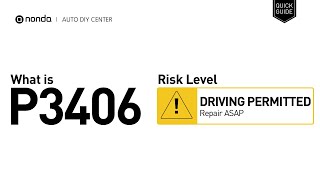
So here’s the takeaway: P3406 means the exhaust valve control for cylinder 1 in your cylinder deactivation system isn’t playing nice. It’s almost always about oil, wiring, or a solenoid giving you grief, and the check engine light is your heads-up. Don’t let it slide-things can snowball fast and leave you with a major headache. Roll up your sleeves, start with an oil change and a good look at the wiring, then test the solenoid and check oil pressure. Nine times out of ten, fixing the basics gets you back on the road before you know it.
 4905
4905 6 minutes of reading