
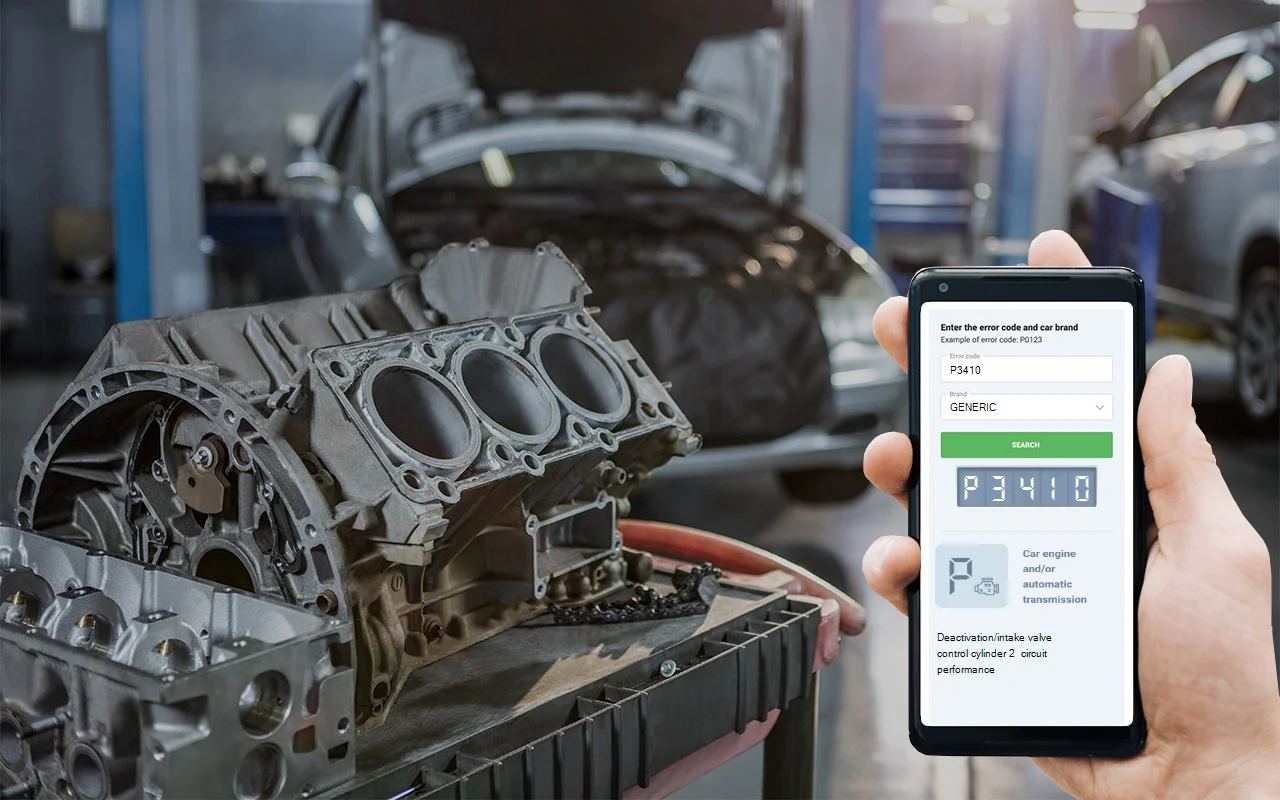
Causes of P3410 trouble code
From my time under the hood and flipping through countless factory manuals, I can tell you p3410 usually boils down to a few key issues:
- Low engine oil pressure-dirty or low oil, or even a blocked passage, will throw the whole system for a loop.
- Clogged oil passages-sludge or gunk can keep oil from getting to the lifters and solenoids where it’s needed most.
- Mechanical troubles inside-think sticking or worn-out valve lifters, or just plain old engine wear.
- Failed cylinder deactivation solenoid (AFM or MDS)-these go bad more often than you’d like, whether it’s an electrical problem or they’re just stuck.
- Wiring harness headaches-broken, chafed, shorted, or corroded wires at the solenoid or control module can absolutely trip this code.
Honestly, oil issues and bad solenoids top the list in my shop, but don’t underestimate what a little electrical gremlin can do. Every manufacturer has its quirks, but if you’re chasing p3410, start with these usual suspects.
Symptoms of obd2 code P3410
When p3410 pops up, here’s what I’ve noticed most folks complain about: the check engine light’s an obvious one, but you might feel a rough idle or the engine stumbling a bit, especially when it tries to switch between V8 and V4 modes. Sometimes you’ll see your gas mileage take a nosedive, or pick up on a slight shake or hesitation. Some drivers hardly feel a thing, but that CEL is telling you something’s not right under the hood. If you let it go, misfires and engine noise are just around the corner.

Diagnosis with P3410 code
Here’s how I tackle a p3410 code when a car rolls into my bay:
- Start by checking the oil level and condition. If it’s low or looks like sludge, swap it out for the right spec oil and a fresh filter. Don’t skip this-it’s the root of so many issues.
- Next, take a good look at the wiring and connectors going to the AFM/MDS solenoid. I get in there with a flashlight, tug gently on the harness, and see if anything’s loose or corroded. Sometimes it helps to have a buddy wiggle the wires while you watch the scan tool for glitches.
- Now, grab your scan tool and try commanding the solenoid on and off. If it doesn’t respond, check resistance with a multimeter and make sure you’ve got good power and ground at the connector.
- If the solenoid seems fine, hook up a mechanical oil pressure gauge. Low oil pressure points toward bigger internal problems-don’t ignore it.
- Still no dice? Time to pop the valve cover and check for stuck or collapsed lifters. This is where it gets a bit messy, but sometimes it’s the only way to know for sure.
Always scan for any other related codes-they can give you extra clues. And remember, start simple before you start tearing things apart. You’d be surprised how many times a basic fix saves the day.
Common Mistakes with P3410
The classic mistake? Folks throw a new solenoid at it without checking the oil or the wiring first. I see it all the time-money wasted, problem still there. Another trap is overlooking low oil pressure or ignoring the possibility of a blocked oil passage. And skipping a real visual inspection of the connectors and wires? That’ll cost you more time than it saves. Bottom line: always rule out the basics before you start swapping expensive parts.

Seriousness of dtc P3410
Trust me, this is not the code you want to ignore. Sure, she might still run for a while, but if that cylinder deactivation system isn’t working right, you’re risking major engine wear, worse fuel economy, and even internal carnage if oil pressure is the root cause. I’ve seen collapsed lifters, chewed-up camshafts, and even fully trashed engines from letting this go too long. Don’t gamble with it-fix it before small problems turn into a full rebuild.
Repair and solutions for P3410 engine code
From years of hands-on fixes and following factory repair steps, here’s what gets cars back on the road for p3410:
- Change the oil and filter-especially if it’s dirty, the wrong weight, or you’re not sure when it was last done.
- Clean or repair any blocked oil passages. Sometimes a simple flush does the trick, but sometimes you’ll need to dig in deeper.
- Replace the cylinder deactivation solenoid (AFM/MDS) if it fails the tests or shows signs of sticking.
- Fix or replace any damaged wiring or sketchy connectors at the solenoid or control module.
- In rare cases, swap out worn or stuck lifters, or tackle deeper mechanical engine issues.
Here’s a pro-tip from the garage: always start with the easy stuff-oil and wiring-before you dive into major engine work. You’ll save yourself a lot of headaches (and cash).


Conclusion
Bottom line: P3410 means your cylinder deactivation system isn’t happy with cylinder 2, and that can snowball into real engine trouble if you let it slide. My advice? Start by checking your oil and wiring-nine times out of ten, that’s where the problem lies. Only move on to the solenoid and hard parts if you have to. Stay on top of it and you’ll keep your engine strong-and your wallet out of the shop.
 4286
4286 6 minutes of reading