
Common Causes of P3412
In my years chasing down stubborn codes, I’ve found there are a few main culprits behind P3412. Nine times out of ten, these are the issues I see when a car rolls into my bay with this code:
- Low engine oil pressure-believe me, if your oil isn’t circulating the way it should, the cylinder deactivation system just can’t do its job.
- Gunked-up or restricted oil passages-old or dirty oil can cake up and block those tiny oil channels feeding the solenoids. I’ve scraped out enough sludge over the years to know this is a common headache.
- Mechanical problems inside the engine-think worn-out lifters, flattened cam lobes, or other valve train troubles.
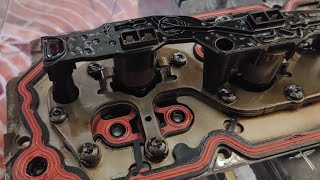
- Faulty cylinder deactivation solenoid (AFM/DoD/MDS solenoid)-these solenoids can fail electrically, or sometimes physically jam up from debris.
- Trouble in the wiring harness-open circuits, shorts, or connectors that have seen better days. I’ve seen a single broken wire drive folks crazy for weeks.
- Poor electrical connections-look out for corroded, bent, or loose pins both at the solenoid itself and the control module. It doesn’t take much to throw things off.
If you’re working on a Chrysler, Dodge, or Jeep, they use the MDS solenoid, but the root causes are practically a carbon copy of what you’ll find in GM systems.
Recognizing Symptoms of P3412 Trouble Code
First thing you’ll probably spot? That dreaded check engine light staring you down from the dash. Sometimes, though, you’ll actually feel the problem. If the system tries to switch from 8 to 4 cylinders, the engine might run rough or stumble-almost like it’s got a miss. Maybe you’ll notice you’re stopping for gas more often, since you’re losing those fuel-saving benefits. But I’ll tell you, every so often, the only clue you get is that warning lamp, especially in the early stages when the trouble hasn’t gotten bad enough to mess with drivability.

Step by Step Diagnosis for DTC P3412
Here’s how I approach a P3412, step by step-just the way I’d walk a fellow tech or DIYer through it out in the shop:
- Start at square one: check your engine oil level and quality. Low or dirty oil is a classic trigger for this code. Top it up or swap it out if needed, and always stick to the manufacturer’s recommended oil.
- Move on to the wiring and connectors leading to the cylinder 2 deactivation solenoid. Look for cracked insulation, green corrosion, loose pins-anything out of place. I like to have a helper wiggle the harness while I keep an eye out for any changes or warning lights.
- If you’ve got access to a scan tool, clear the code and see if it returns. Sometimes, a weird voltage spike or momentary glitch can set it off, and it may not come back.
- If it pops up again, grab a mechanical gauge and check your oil pressure. I can’t stress this enough: don’t skip this step! Low oil pressure is a showstopper and must be fixed before anything else.
- Oil pressure good? Time to test the solenoid. Pull out your multimeter and check resistance across the terminals-compare with factory specs. If you’re uncomfortable here or the readings are off, let a pro step in.
- If everything checks out so far, you’re likely looking at a deeper mechanical issue-like worn lifters or valve train parts-but honestly, that’s pretty rare compared to the others.
Pro-tip: Hunt for any recent Technical Service Bulletins (TSBs). Sometimes, the manufacturer has already seen this and might have an updated fix or replacement part.
Avoiding Common P3412 Engine Code Mistakes
A classic mistake I see all too often? Folks tossing in a new solenoid right away, hoping for a quick fix-without even checking the oil or inspecting the wiring first. That’s how good money gets wasted. Another one: ignoring the oil pressure. If you skip that, you might end up with a much bigger engine headache down the road. And don’t just clear the code and cross your fingers, either. If you don’t handle the real problem, that check engine light will be back before you know it.

How Serious Is OBD Code P3412
From my time in the shop, I can tell you this isn’t something to take lightly. Driving with this code active puts your engine at risk-especially if it’s tied to low oil pressure or oil contamination. You could go from a simple fix to worn lifters, chewed-up camshafts, or even a full-blown engine failure faster than you’d think. Plus, you’re losing out on the fuel-saving perks your system was designed for. Bottom line: don’t put this off. Get it checked and fixed before it turns into a major wallet-buster.
How to Repair OBD2 Code P3412
Here’s what actually solves this code in the real world, based on what I’ve seen and what the OEMs recommend:
- Swap the engine oil and filter if you find it’s dirty or running low-stick to the oil weight and spec your manufacturer calls for.
- If you spot sludge or blockages, clean out those oil passages. Sometimes it takes a bit of patience and some engine flush to get things flowing right again.
- Fix or replace any damaged wiring or sketchy connectors at the solenoid or control module. Even a tiny bit of corrosion can throw the whole system off.
- If the solenoid fails an electrical test, don’t hesitate-replace it with a quality part.
- If you uncover mechanical issues like a bad lifter or worn valve train parts during your checks, you’ll need to tackle those as well. Don’t cut corners here.
When you’re done, clear the code and take it for a test drive. Make sure the fix holds and that light stays off.

Conclusion
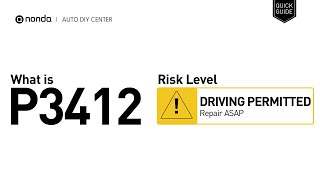
When all’s said and done, P3412 points to your engine’s cylinder deactivation system struggling to control cylinder 2-most often because of oil issues, a wiring fault, or a faulty solenoid. Get after it quickly, and always start with the simple stuff: check your oil, eyeball the wiring, and don’t jump straight to the expensive repairs. If you ignore this code, you’re gambling with your engine’s health and your wallet. The smart move? Work through each step, one at a time. That’s how you keep your ride running strong and sidestep the big headaches down the line.
 4693
4693 6 minutes of reading