
Causes of dtc P3413
From my time in the shop, these are the most frequent causes I run into with a P3413 code:
- Low engine oil pressure-if oil isn’t making its rounds properly, that deactivation system just can’t do its job.
- Plugged-up oil passages-sludge or gunk can clog those tiny oil channels that feed the lifters and solenoids. I see this a lot on engines with neglected oil changes.
- Mechanical faults inside the engine-think stuck or worn-out valve lifters. It’s not as rare as you might hope, especially on higher-mileage motors.
- Failed cylinder deactivation solenoid-these solenoids are the gateway for oil flow to the lifters. They can go bad electrically or even stick mechanically.
- Wiring gremlins-broken wires, shorts, or lousy connections in the solenoid harness can trip this code in a heartbeat.
- Crusty or loose electrical connections at the solenoid or ECM-corrosion, bent pins, or plugs that don’t sit right will definitely cause trouble.
Honestly, I always start my diagnosis with the basics-oil level, cleanliness, and wiring-before chasing the more complicated stuff. Nine times out of ten, the problem is right there.
Symptoms of P3413 trouble code
Here’s what you’ll probably notice: that check engine light is going to pop on, no surprise there. Sometimes, the engine starts running a bit rough-especially when it’s trying to switch between V8 and V4 modes. You might feel a stumble, a misfire, or even notice you’re stopping at the gas pump more often. Occasionally, it’s sneaky and shows up with just the warning light, nothing else obvious. Don’t let that lull you into ignoring it, though-left unchecked, this can snowball into bigger headaches.

Diagnosis steps for P3413 engine code
Here’s the process I’ve honed over the years for tackling a P3413:
- First thing-always check your oil level and its condition. Low or dirty oil is a surefire way to trip up the deactivation system. If it’s nasty or low, change it out and top it off.
- Next, get your hands on the wiring and connectors at the cylinder 2 deactivation solenoid. Watch for broken wires, loose or corroded plugs, and bent pins. I’ll usually have a helper wiggle the harness while I keep an eye on the scan tool-sometimes that’s all it takes to spot an intermittent fault.
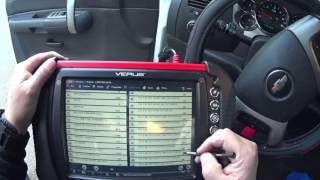
- If your scan tool supports it, try commanding the solenoid on and off. If nothing happens, odds are you’ve got a bad solenoid or a wiring issue that needs sorting.
- Wiring looking good? Pull the solenoid and check for sludge or debris blocking the oil. Clean or swap it out if you spot crud building up.
- If you’re still chasing ghosts, it’s time to dig deeper-check the lifters themselves. This step can mean pulling valve covers or even the intake, so don’t rush in unless you’re sure the basics are handled.
- And here’s a pro tip: always search for related Technical Service Bulletins (TSBs). Sometimes the manufacturer’s already solved the problem and you can save yourself a lot of time.
Start simple. Oil and wiring are usually the culprits. Only move on to the heavy mechanical work if everything else checks out.
Common mistakes when troubleshooting obd2 code P3413
A classic mistake I see is folks swapping out the solenoid right away without even checking the oil or wiring. That’s money down the drain if all you needed was a new connector or an oil change. Another slip-up? Ignoring TSBs. Sometimes, the fix is already out there, but people skip the homework and end up chasing their tails. Jumping past the basics often means missing the real root of the problem-and doing more work (and spending more cash) than you need to.

Seriousness of P3413
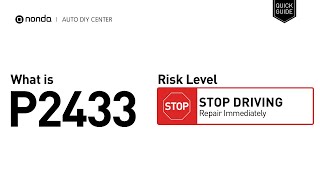
Don’t take this code lightly. Letting a P3413 sit can spell disaster-damaged lifters, a chewed-up camshaft, or even a trashed engine aren’t out of the question. If oil pressure’s low or oil passages are plugged, things can go from annoying to catastrophic in a hurry. Plus, a malfunctioning deactivation system means worse fuel economy and a rougher ride. Bottom line: get on it fast, or you could be looking at a pricey repair bill.
Repair options for P3413 code
From what I’ve seen in the bay, these fixes are your best bet:
- Swap the oil and filter-especially if it’s dirty or the level’s low. Fresh oil works wonders for this system.
- Clean or replace the cylinder 2 deactivation solenoid, depending on what you find during inspection.
- Patch up or replace any busted wiring or dodgy connectors.
- Bust out the parts cleaner and clear any sludge or debris from those vital oil passages.
- In rare cases, you’ll need to replace worn-out lifters or tackle internal engine problems-but that’s usually after the simpler stuff’s been ruled out.
Once you’ve made the fix, clear the code and take the car for a spin. If the code stays gone, you’ve nailed it.

Conclusion
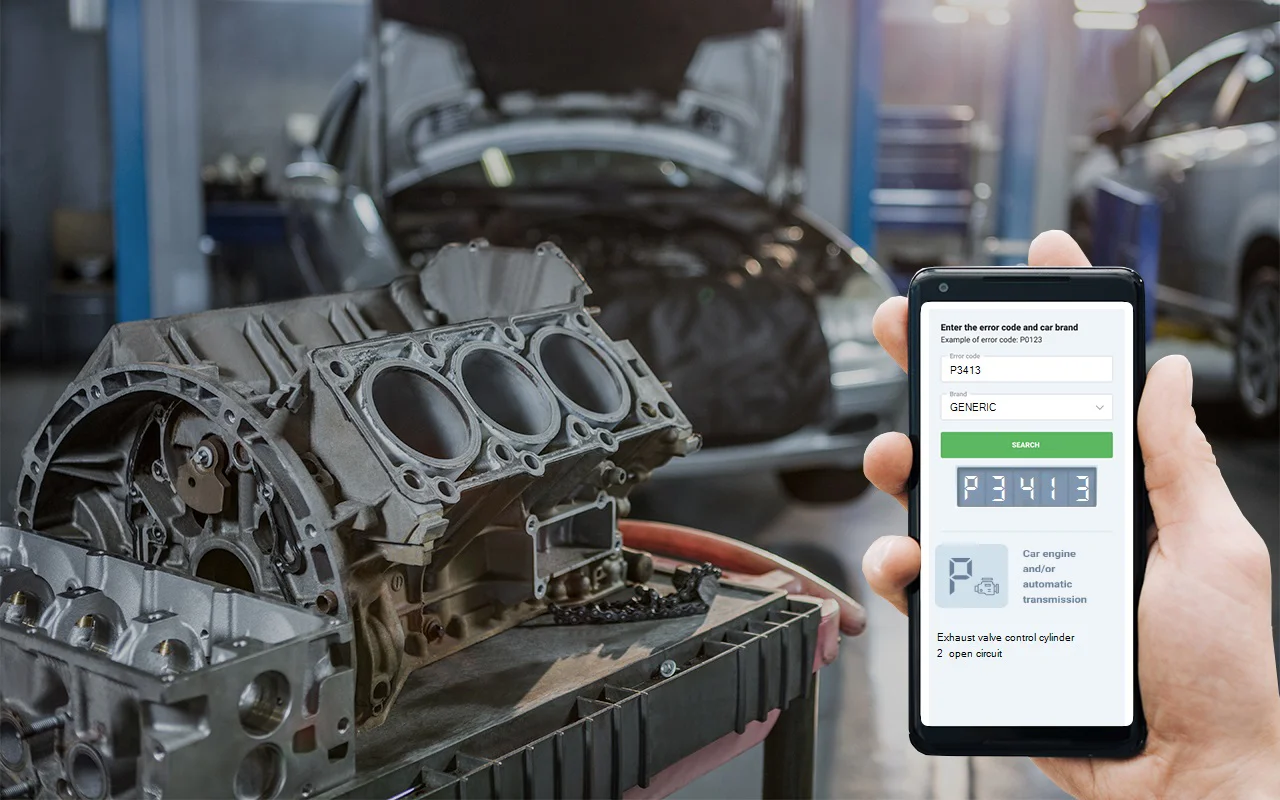
Here’s the bottom line-P3413 means you’ve got a problem with the exhaust valve control circuit for cylinder 2. It’s not something you want to put off. If you catch it early, the fix is usually straightforward: check your oil, inspect the wiring, and look up any TSBs for your ride. Most times, that’s all it takes. But if you let it go, you’re flirting with real engine damage and a much bigger repair bill. If the job feels out of your depth, don’t hesitate to call in a pro-sometimes a fresh set of eyes (and hands) makes all the difference.
 6019
6019 6 minutes of reading