
Causes of P3417 engine code
From what I’ve seen in the shop and what the official manuals say, the most common reasons for a p3417 code are:
- Low engine oil pressure-this system relies on oil pressure to work those special lifters or solenoids.
- Restricted oil passages-sludge or debris can block the tiny oil channels that feed the deactivation system.
- Mechanical problems inside the engine-like worn or sticking lifters, or issues with the camshaft or valves.
- A faulty cylinder deactivation solenoid (for Chevrolet, GMC, Cadillac) or MDS solenoid (for Chrysler, Dodge, Jeep)-these are the parts that actually do the switching.
- Wiring problems-open or shorted wires, or poor electrical connections at the solenoid or in the harness.
Most often, I find it’s either an oil pressure issue or a bad solenoid, but don’t rule out wiring-especially if the vehicle’s been in a harsh environment or had rodent damage. Always check the basics before diving deeper.
Symptoms associated with P3417 trouble code
When this code is active, you’ll usually notice the check engine light is on. Sometimes, that’s the only sign. But in other cases, you might feel the engine running rough, especially when the system tries to switch between full and partial cylinder operation. You could also notice a drop in fuel economy, or maybe a slight hesitation or stumble when accelerating. In rare cases, the engine might misfire or sound different than usual. If you’re paying close attention, you might even feel a bit more vibration than normal. But honestly, sometimes it’s just that pesky light on the dash and nothing else obvious-at least at first.

Diagnosis process for P3417
Here’s how I usually tackle a p3417 code, step by step:
- First, I check the engine oil level and condition. Low or dirty oil is a surefire way to end up with this code. Top off or change the oil if needed, and make sure you’re using the right type for your engine.
- Next, I check for any other codes-sometimes there’s a bigger issue hiding in the background.
- Then, I do a visual inspection of the wiring and connectors going to the cylinder deactivation or MDS solenoid for cylinder 3. Look for broken, frayed, or corroded wires, and make sure the connectors are tight and clean. Don’t forget to check for pushed-out pins or signs of water intrusion.
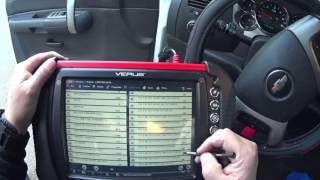
- If the wiring looks good, I’ll use a scan tool to command the solenoid on and off, watching for a response. If the solenoid doesn’t react, I’ll check it directly with a multimeter for proper resistance and power/ground at the connector.
- If the solenoid tests bad, I replace it. If it’s good, I move on to checking oil pressure with a mechanical gauge-especially if the engine sounds noisy or the oil light flickers.
- If oil pressure is low, I recommend addressing that first-could be a worn oil pump, clogged pickup, or internal engine wear.
- Finally, if everything else checks out, I’ll consider mechanical issues inside the engine, like a sticking lifter or a problem with the camshaft. At this point, it’s best to have a professional dig deeper, since it can get pretty involved.
It’s better to have someone assist you during the wiring checks-wiggling the harness while watching the scan tool can reveal intermittent faults. And always double-check the basics before replacing expensive parts.
Common mistakes with obd code P3417
One thing I see way too often is folks jumping straight to replacing the solenoid without checking the oil level or pressure. That’s a quick way to waste money. Another common slip-up is overlooking wiring issues-just because a connector looks okay doesn’t mean it’s making good contact. I’ve also seen people ignore the possibility of restricted oil passages, especially on engines with high mileage or poor maintenance history. Skipping the oil change or using the wrong oil can come back to bite you here. Don’t forget to check for other codes that might point to a bigger problem, like low oil pressure or multiple cylinder deactivation faults. Take your time and check each step-otherwise, you might end up chasing your tail.

Seriousness of obd2 code P3417
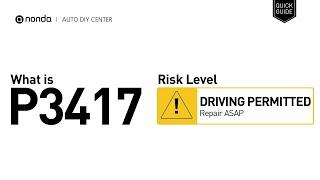
This is not something you want to ignore. If you let it go, you risk more than just poor fuel economy. The engine could start running rough, misfire, or even suffer internal damage if oil pressure is low or if a lifter fails. That can lead to costly repairs-think camshaft or valve train damage, or even a ruined engine in the worst case. Honestly, it’s dangerous to ignore this, especially if you notice new noises, rough running, or oil warning lights. Things can go south quickly if overlooked, so don’t put this off for later.
Repair solutions for dtc P3417
Here’s what usually fixes a p3417 code, based on what I see and what the official procedures recommend:
- Correcting oil level and changing to the proper oil if it’s dirty or the wrong type.
- Cleaning or repairing any wiring or connectors that are damaged or corroded.
- Replacing the cylinder deactivation solenoid (Chevrolet, GMC, Cadillac) or MDS solenoid (Chrysler, Dodge, Jeep) for cylinder 3 if it fails testing.
- Cleaning out restricted oil passages, if sludge or debris is found.
- Addressing low oil pressure by repairing or replacing the oil pump, pickup tube, or fixing internal engine wear.
- In rare cases, repairing or replacing faulty lifters or other internal engine components if mechanical issues are found.
I personally recommend starting with the simple stuff-oil and wiring-before moving on to the more expensive repairs. Always use OEM parts for solenoids and lifters; aftermarket can be hit or miss.


Conclusion
To sum it up, P3417 means your engine’s cylinder deactivation system isn’t working right on cylinder 3, usually due to oil, wiring, or solenoid issues. It’s a moderate to high-priority problem-don’t ignore it, because it can lead to bigger headaches and expensive repairs if left unchecked. The most reliable way to fix it is to start with oil and wiring checks, then test and replace the solenoid if needed, and only dig into the engine if those steps don’t solve it. Take care of this soon to keep your engine running smooth and avoid bigger trouble down the road.
 5362
5362 7 minutes of reading