
Causes of P3420
From my experience in the shop, the P3420 code almost always comes down to a few main culprits. Here’s what I see most often:
- Low engine oil pressure (the system needs good oil flow to work right)
- Restricted or clogged oil passages (sludge or debris can block the tiny channels)
- Mechanical problems inside the engine (like worn lifters or stuck pins)
- A faulty cylinder deactivation solenoid (the part that actually controls oil flow to the lifters)
- Broken, shorted, or corroded wiring to the solenoid
- Poor electrical connections at the solenoid or harness plugs
For Chrysler, Dodge, and Jeep, the solenoid is part of the MDS system, but the root causes are very similar. In all cases, it’s usually either an oil supply issue or an electrical problem with the solenoid or its wiring.
Symptoms When obd2 code P3420 Is Present
When this code is active, the most obvious thing you’ll notice is the check engine light coming on. Sometimes, you might also feel the engine running a bit rough, especially when the system tries to switch between 8 and 4 cylinders. In some cases, there’s a drop in fuel economy, or you might hear odd noises from the engine-like ticking or knocking-if the lifters aren’t working right. But honestly, sometimes the only sign is that warning light on your dash.

How to Diagnose a P3420 Trouble Code
Here’s how I usually tackle a P3420 code, step by step:
- First, I check the engine oil level and condition. Low or dirty oil is a surefire way to end up in trouble with these systems. If it’s low, top it up; if it’s dirty, change it right away.
- Next, I inspect the wiring and connectors going to the cylinder 3 deactivation solenoid (or MDS solenoid on Chrysler/Jeep/Dodge). Look for broken wires, loose plugs, corrosion, or anything that looks out of place. It’s best to have someone wiggle the harness while you watch for changes.
- Then, I use a scan tool to command the solenoid on and off, checking for proper response. If the solenoid doesn’t click or respond, it could be faulty or not getting power.
- If everything looks good so far, I check the oil pressure with a mechanical gauge. Low pressure means you might have a worn oil pump, clogged pickup, or internal engine wear.
- If the oil pressure is good and the wiring checks out, I’ll test the solenoid itself by measuring resistance or swapping it with another cylinder (if possible) to see if the problem follows the part.
- Finally, if all else fails, I look deeper into the engine for mechanical issues-like stuck lifters or worn cam lobes. That’s a bigger job, but sometimes it’s necessary.
Don’t forget to check the basics before diving into complex repairs. It’s better to have someone assist you, especially when checking wiring or using diagnostic tools.
Common Mistakes with P3420 Engine Code
I’ve seen a lot of folks jump straight to replacing the solenoid without checking the oil or the wiring first. That’s a quick way to waste money. Another common mistake is ignoring the oil pressure-if it’s low, you’ll just keep having problems. Sometimes, people overlook corroded connectors or pinched wires, which can be sneaky but cause all sorts of headaches. Always start with the simple stuff before replacing expensive parts.

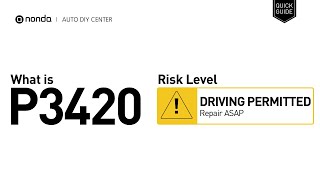
How Serious Is dtc P3420
This is one of those issues you really shouldn’t put off. If the cylinder deactivation system isn’t working right, you risk poor engine performance, higher fuel consumption, and in some cases, serious engine damage. If the oil passages are blocked or the oil pressure is low, you could end up with worn lifters, damaged camshafts, or even a ruined engine. Honestly, things can go south quickly if overlooked. You don’t want this kind of trouble on the road, so it’s best to address it promptly.
Repair Steps for obd code P3420
In cases like this, the most reliable fixes are:
- Changing the engine oil and filter (especially if it’s dirty or overdue)
- Cleaning or repairing any damaged wiring or connectors at the solenoid
- Replacing the cylinder deactivation (or MDS) solenoid if it tests bad
- Clearing out any oil passage blockages (sometimes requires engine disassembly)
- Repairing or replacing worn lifters or other internal engine components if needed
I personally recommend starting with the oil and wiring, then moving on to the solenoid. Only dig into the engine if you’ve ruled out the simpler stuff.


Conclusion
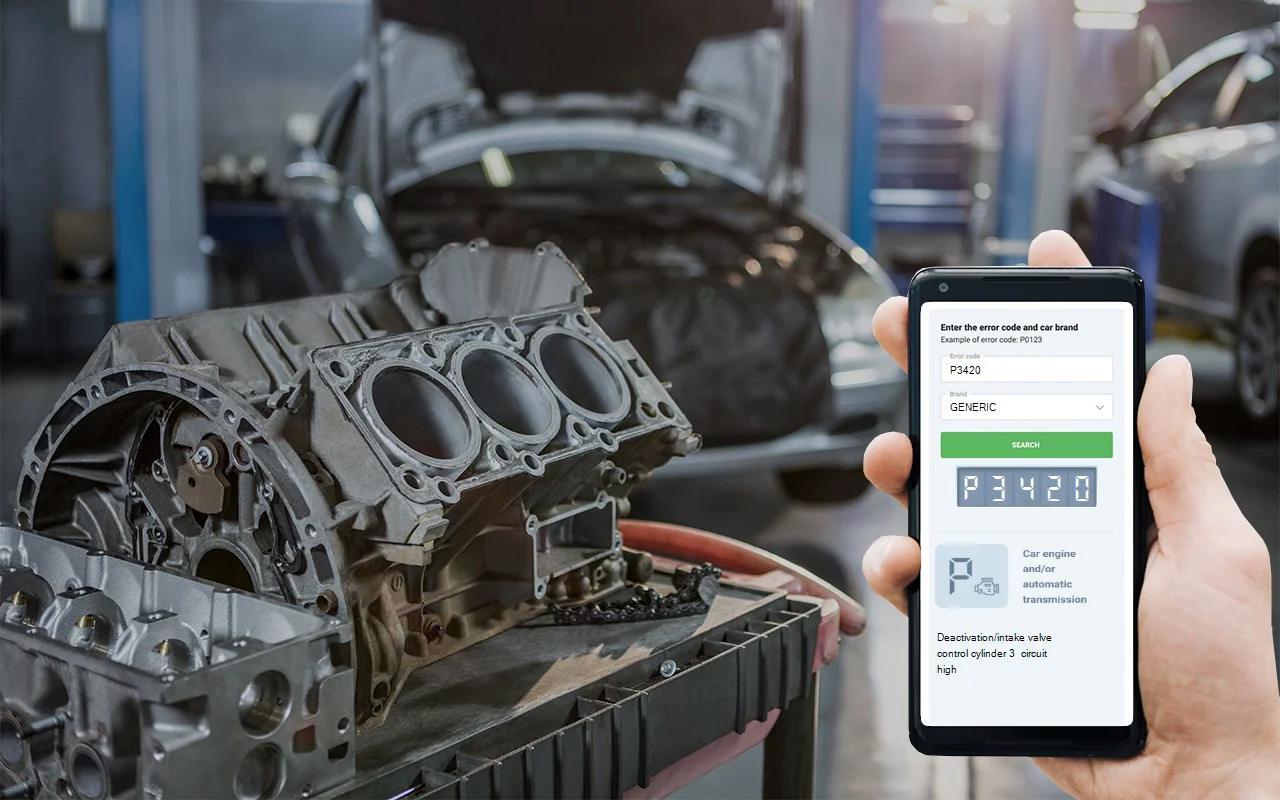
To sum it up, P3420 means there’s a problem with the system that shuts off cylinder 3 to save fuel-usually due to oil pressure, wiring, or a bad solenoid. It’s a moderate to serious issue that can lead to bigger engine problems if ignored. The best approach is to check the oil and wiring first, then test the solenoid, and only go deeper if needed. Don’t put this off for later-addressing it now is the safest and most cost-effective way to keep your engine running strong.
 3634
3634 5 minutes of reading