
Causes of P3422 Trouble Code
From my time under the hood, these are the troublemakers I see most often with a P3422:
- Low engine oil pressure-sometimes you’re just a quart low or using oil that’s not quite right for your engine.
- Restricted oil passages-sludge and debris sneak in and block those tiny channels that feed your solenoids and lifters.
- Mechanical issues inside the engine-think sticking or flat-out failed valve lifter.
- Faulty cylinder deactivation solenoid-these little guys can wear out, jam up, or get full of gunk.
- Wiring harness headaches-anything from broken wires to a frayed section, or even a bad connection at the solenoid plug.
- Poor electrical connections-corrosion or loose pins hiding right at the connectors.
Honestly, most times it’s something straightforward like oil or wiring, but don’t rule out those sneaky mechanical problems-I’ve chased down my fair share of those, too.
Symptoms of OBD Code P3422
If you’re dealing with this code, chances are your check engine light is lit. Sometimes the engine gets a little rough around the edges, especially when it’s flipping between all cylinders and the fuel-saver mode. You might notice the gas mileage isn’t what it used to be, or maybe there’s a new vibration or loss of smoothness. Then again, every now and then, the only clue you’ll get is that light on the dash. Either way, don’t shrug it off.

Diagnosis Steps for P3422
When I’m faced with a P3422, here’s my go-to process:
- Start by checking your oil-level and condition. If it’s low, dirty, or the wrong type, you’re asking for trouble with this system.
- Move on to the wiring and connectors at the cylinder 3 deactivation solenoid. Look for frayed wires, green corrosion, or loose pins. Here’s a pro-tip: have a buddy wiggle the harness while you keep an eye on the scanner or test light for any blips.
- Fire up your scan tool and command the solenoid on and off-watch for a response. No action? Either the solenoid’s toast or there’s a wiring issue somewhere in the circuit.
- Still stumped? Check that oil is actually flowing to the lifters and solenoids-sometimes you’ve got to pull the valve cover to get a good look. No oil means blocked passages or a bigger oiling issue.
- Test the solenoid itself. I’ve seen plenty that are clogged or have given up the ghost internally.
- If all those checks come up clean, then-unfortunately-it’s time to look at the lifters and the guts of the engine. That’s the last thing anyone wants, but sometimes it’s where the problem hides.
Don’t forget to scan for other related codes-they can give you a clue if the whole deactivation system is acting up.
Common Mistakes When Repairing P3422 Engine Code
A classic mistake I see in the bay is folks swapping the solenoid right off the bat without checking the oil or wiring first. Skipping the basics can cost you time and money. Another big slip-up? Overlooking the oil type and level-using the wrong oil or letting it get low will trigger P3422 faster than you’d think. Then there’s the sneaky stuff, like corrosion or loose connector pins; I can’t tell you how many times a simple visual inspection would’ve saved a headache. Don’t rush-give those connectors and wires a good look before you start throwing parts at the problem.

Seriousness of OBD2 Code P3422 Issues
Let me be straight with you-P3422 isn’t something to put off. Keep driving with this code, and you’re flirting with real engine damage: lifters, camshaft, or even the solenoid could be toast. Low oil pressure or a blocked passage can snowball into a much bigger problem, fast. I’ve seen engines go from a simple fix to a full rebuild because this warning got ignored. Bottom line? Don’t let it slide. Your engine’s performance and reliability are on the line.
Repair Solutions for DTC P3422
Here’s what works best, straight from the shop floor:
- Check and top off your oil, or do a full change with the manufacturer’s recommended type and weight.
- Flush or clean out any gunked-up oil passages-sometimes a little patience and a good cleaner are all you need.
- Fix or replace any sketchy wiring or connectors at the solenoid. A bad wire can mimic a bad solenoid every time.
- If the solenoid’s not responding or is clogged, swap it out for a fresh one.
- On rare occasions, you might have to replace a lifter that’s stuck or failed, but that’s not usually the first thing to go.
My advice? Always start with oil and electrical checks-they’re usually the root of the problem. Save the deep engine work as a last resort.


Conclusion
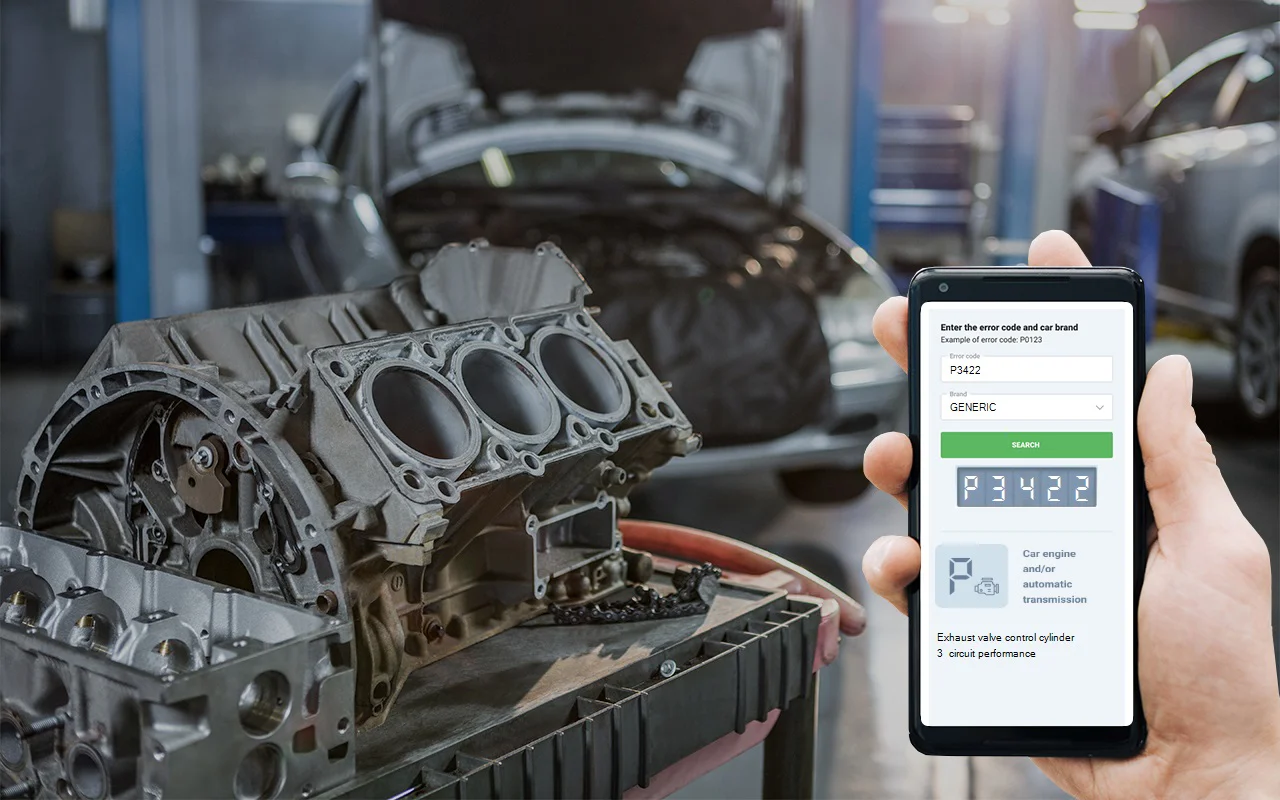
If you’re seeing a P3422, you’ve got an issue with the exhaust valve control for cylinder 3 in your cylinder deactivation system. Most of the time, oil or wiring is to blame, but leave it unchecked and you could end up with a much bigger headache. Don’t let this one fester-address it quickly. Start with the simple stuff: check your oil, look at the wiring, and then go deeper if you have to. That’s the surest way to get your engine running right again-and keep it that way.
 4633
4633 5 minutes of reading