
Causes of P3423 code
From experience, the most common causes I see for a P3423 code are:
- Low engine oil pressure-if the oil isn’t flowing right, the system can’t switch modes properly.
- Restricted or dirty oil passages-sludge or debris can block the tiny oil channels that feed the cylinder deactivation lifters and solenoids.
- Mechanical issues inside the engine-like a sticking or worn valve lifter, or problems with the camshaft or valve itself.
- Faulty cylinder deactivation solenoid-these are the electronic valves that direct oil pressure to the lifters; if one fails, the system can’t deactivate the cylinder correctly.
- Wiring harness or connector problems-broken, corroded, or loose connections to the solenoid can cause intermittent or total failure.
- Poor electrical connections in the solenoid circuit-sometimes it’s just a bad pin or a bit of corrosion causing trouble.
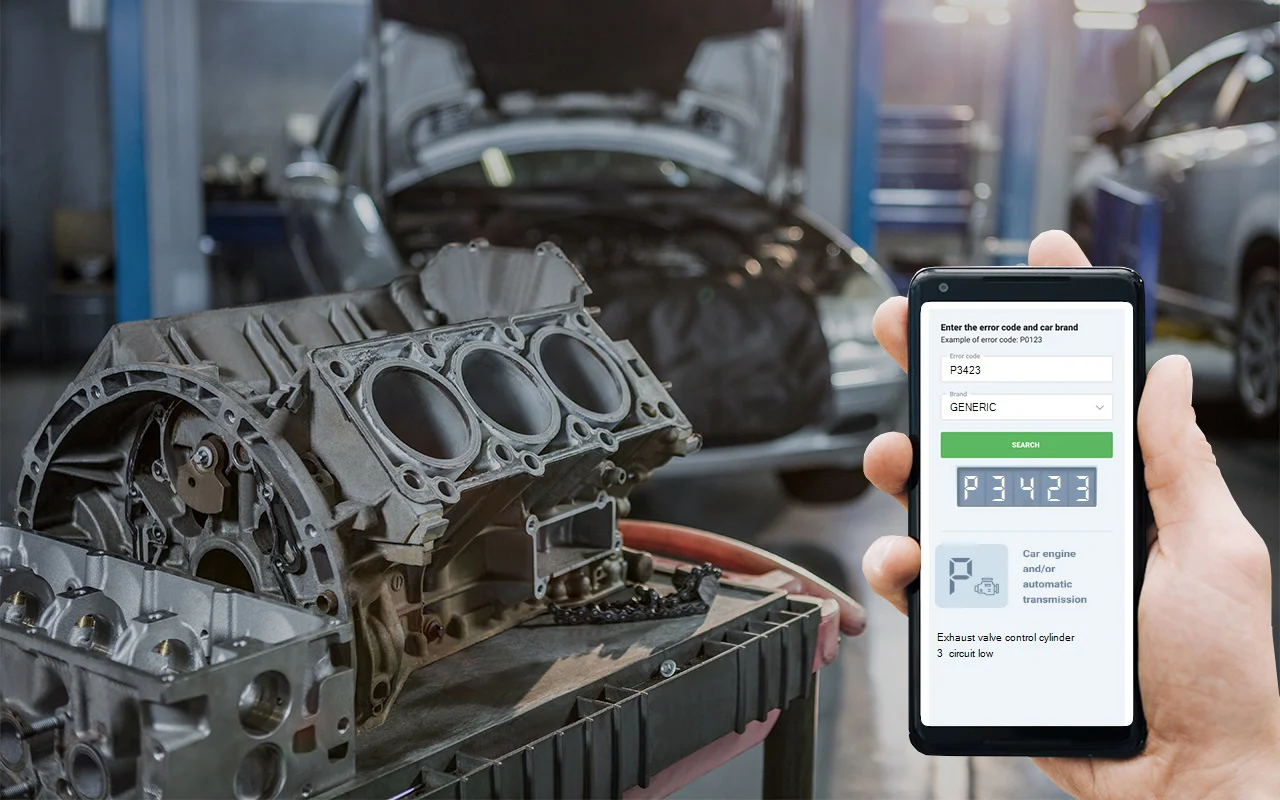
In Dodge vehicles, this code specifically refers to a low circuit condition for the exhaust valve control on cylinder 3, but other brands may have slightly different interpretations. However, the underlying causes are usually similar.
Symptoms and obd2 code P3423
When you get a P3423 code, the first thing you’ll probably notice is that dreaded check engine light staring back at you. Sometimes, the engine starts running rough-especially when it tries to switch from V8 to V4 or back. I’ve seen folks complain about losing miles per gallon, and you might even feel a misfire or a definite lack of power. Oddly enough, every now and then, there’s nothing but the warning light as a clue. But don’t bet on it staying that way-these problems usually don’t fix themselves.

Diagnosis steps for obd code P3423
Here’s how I usually tackle a P3423 code, step by step:
- First, I check the engine oil level and condition. Low or dirty oil is a common culprit-make sure it’s at the right level and looks clean.
- Next, I inspect the wiring and connectors going to the cylinder deactivation solenoid for cylinder 3. Look for broken wires, loose pins, corrosion, or anything that looks out of place. It’s better to have someone assist you by wiggling the harness while you watch for changes.
- Then, I use a scan tool to command the solenoid on and off, watching for a response. If the solenoid doesn’t react, it could be faulty or not getting power.
- If everything looks good so far, I’ll check the oil passages for sludge or blockage. Sometimes you can see this by removing the valve cover, but in tough cases, it might require more disassembly.
- If the solenoid is suspected, I’ll test it directly with a multimeter for resistance and continuity, comparing it to OEM specs.
- Finally, if all else fails, I’ll check the mechanical condition of the lifter and valve for sticking or wear, but that’s usually the last resort.
Don’t forget to check for any related codes that might give more clues. It’s best to start with the simple stuff before diving into the engine.
Common mistakes with P3423 engine code
A classic mistake I see in the shop is folks immediately replacing the solenoid without ever checking the oil level or quality. That’s often money down the drain. Another one? Ignoring the wiring-more than once, I’ve found it’s just a loose connector or some sneaky corrosion causing all the drama. And let’s not forget skipping an inspection for sludge or debris in the oil passages; even a little gunk can plug things up and mimic a bigger problem. Overlooking these basics can turn a simple fix into a real headache.

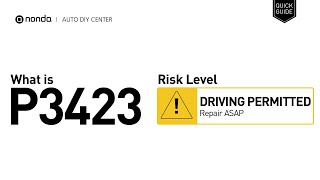
Seriousness of P3423 trouble code
If you’re thinking about ignoring this code, take it from me-that’s a gamble you don’t want to take. Sure, the engine might still run, but driving around with a P3423 code can set you up for some nasty (and expensive) future repairs. When the cylinder deactivation system isn’t working right, you’re risking damage to the lifters, camshaft, or even the valves themselves. And if oil flow is compromised, things can go downhill in a hurry. Bottom line: don’t put this off. I’ve seen engines go from a simple oil change to a full rebuild just because someone waited too long.
Repair solutions for P3423 code
The most reliable fixes I’ve seen for this code are:
- Changing the engine oil and filter-if the oil is dirty or low, this can solve the problem right away.
- Cleaning or clearing out any sludge or debris from the oil passages, especially around the cylinder deactivation solenoids and lifters.
- Repairing or replacing any damaged wiring or connectors going to the solenoid.
- Replacing the faulty cylinder deactivation solenoid for cylinder 3 if it fails electrical tests.
- In rare cases, replacing a worn or sticking lifter, or addressing deeper mechanical issues inside the engine.
Always follow the OEM service procedures and double-check everything before reassembly.


Conclusion
If you’re staring down a P3423, you’ve got an issue with how your engine manages the exhaust valve for cylinder 3 when it tries to deactivate cylinders. Nine times out of ten, it’s oil pressure, a bad solenoid, or some wiring gremlins. This isn’t a minor annoyance-it can turn ugly fast if you let it slide. The smartest move? Start simple: check your oil, look over the wiring, and run a proper test on that solenoid. Do it right, and you’ll save yourself a lot of grief (and cash) down the road. Trust me, your engine will thank you.
 5058
5058 6 minutes of reading