
Causes of dtc P3429
From experience, I can tell you that most of the time, P3429 pops up because of a handful of usual suspects. Here’s what I see most often in the shop:
- Low engine oil pressure-if your oil is low or dirty, the system can’t work right.
- Restricted oil passages-sludge or debris can block the tiny channels that feed the lifters and solenoids.
- Mechanical issues inside the engine-like a sticking or worn valve lifter.
- Faulty cylinder deactivation solenoid-these can fail electrically or get clogged.
- Wiring harness problems-broken, corroded, or loose wires and connectors to the solenoid.
- Poor electrical connections in the solenoid circuit-sometimes it’s just a bad plug or pin.
For Chrysler, Dodge, and Jeep, these are the main things to check. Other brands might use this code for different issues, but for these vehicles, it’s always about the cylinder deactivation system on cylinder 4’s exhaust valve.
Symptoms of P3429 trouble code
When this code is active, you’ll probably notice the check engine light is on. Most folks don’t feel much difference in how the engine runs at first, but sometimes you might catch a rough idle, a little hesitation, or a drop in fuel economy. In rare cases, if the problem gets worse, you could feel the engine misfire or run unevenly, especially when the system tries to switch between V8 and V4 modes. But honestly, a lot of drivers only notice the warning light.

Diagnosis steps for obd2 code P3429
Here’s how I usually tackle P3429, step by step:
- First, I check the engine oil level and condition. Low or dirty oil is a common cause-top it up or change it if needed.
- Next, I visually inspect the wiring and connectors going to the cylinder deactivation solenoid for cylinder 4. Look for broken wires, loose plugs, or corrosion. It’s best to have someone wiggle the harness while you watch for any changes or warning lights.
- Then, I use a scan tool to command the solenoid on and off, checking if it responds. If it doesn’t, I’ll test the solenoid itself for proper resistance with a multimeter.
- If the solenoid checks out, I move on to checking for oil flow-sometimes sludge or debris blocks the oil passages. This can require removing the valve cover for a closer look.
- If all else fails, I’ll inspect the mechanical parts-like the lifters and camshaft-for wear or sticking, but that’s usually a last resort.
Don’t forget to check for any related codes that might point to a bigger electrical or oil pressure problem. It’s always better to start with the simple stuff before tearing into the engine.
Common mistakes when fixing P3429 engine code
One of the biggest mistakes I see is folks jumping straight to replacing the solenoid without checking the oil or the wiring first. Another common slip-up is ignoring the connectors-sometimes it’s just a bent pin or a little corrosion causing all the trouble. Skipping the oil change or not checking for sludge in the passages can also lead you down the wrong path. Take your time and rule out the basics before spending money on parts you might not need.

Seriousness of obd code P3429
This isn’t something you want to ignore. While it might seem minor at first, letting it go can lead to bigger headaches-like damaging the lifters, camshaft, or even causing engine misfires. If oil flow is restricted, you risk starving critical engine parts, which can get expensive fast. Plus, if the system can’t switch modes properly, you could end up with poor performance or even get stranded. Bottom line: don’t put this off for later. Things can go south quickly if overlooked.
Repair options for P3429
In cases like this, it’s usually one of these fixes that gets the job done:
- Change the engine oil and filter-especially if it’s dirty or overdue.
- Clean or repair any wiring and connectors to the solenoid-make sure everything’s tight and corrosion-free.
- Replace the cylinder deactivation solenoid if it’s failed electrically or is clogged.
- Flush or clean out any blocked oil passages if you find sludge or debris.
- If needed, replace worn or sticking valve lifters, but that’s more involved and less common.
I personally recommend starting with the oil and wiring before moving on to parts replacement. That’s saved a lot of folks time and money.


Conclusion
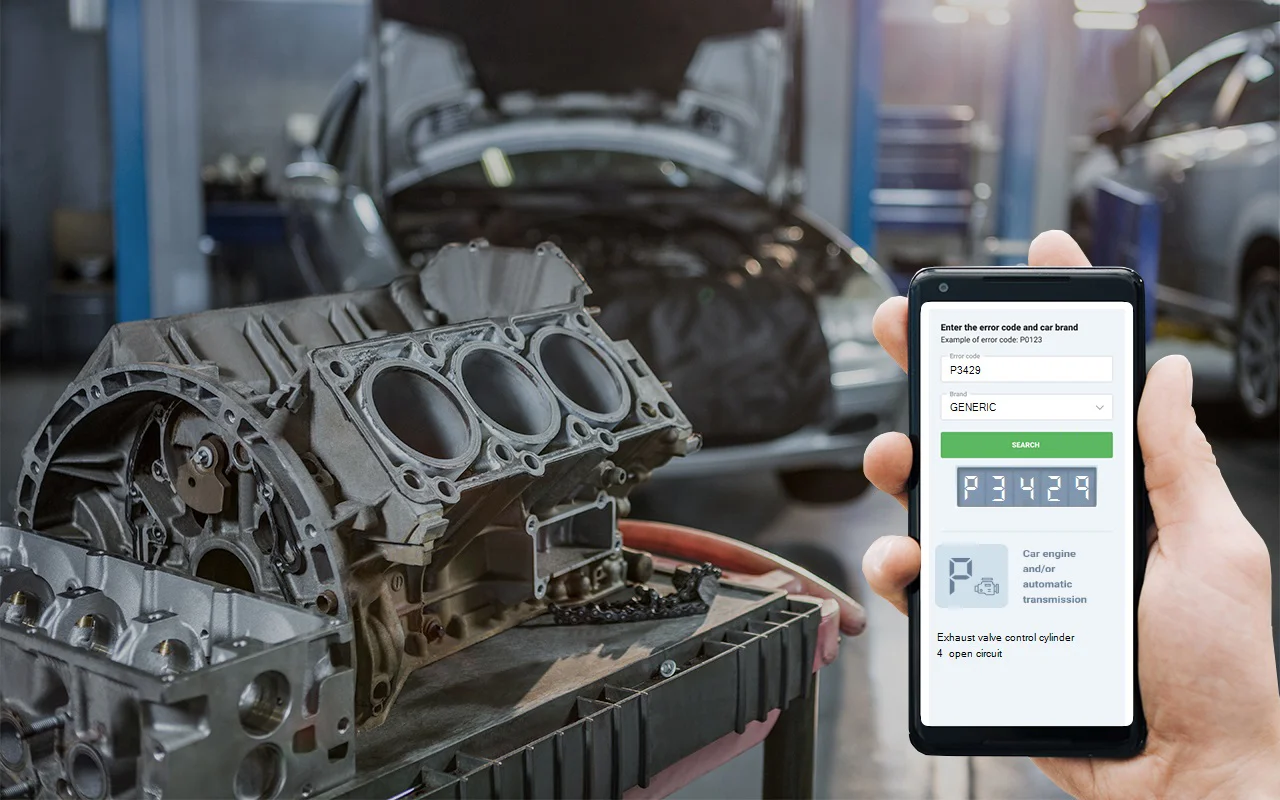
To sum it up, P3429 means your engine’s cylinder deactivation system can’t properly control the exhaust valve on cylinder 4, usually because of oil, wiring, or solenoid issues. It’s a moderate-to-high risk code-ignore it and you could face expensive engine repairs. The best way forward is to check the oil, inspect the wiring, and test the solenoid before replacing anything. Acting quickly is your safest bet, and most of the time, fixing the basics gets you back on the road without drama.
 4252
4252 5 minutes of reading