
Common Causes of P3431
From my time under the hood, here’s what usually triggers a p3431 code:
- Low engine oil pressure - If your dipstick’s reading low or the oil’s looking tired, those special lifters won’t get what they need to operate.
- Clogged oil passages - I can’t tell you how often I find gunk or sludge blocking those narrow oil channels. Even a little debris can mess up the whole deactivation process.
- Mechanical trouble inside the engine - Think stuck, collapsed, or worn-out valve lifters.
- Defective cylinder deactivation solenoid - The solenoid feeding oil to cylinder 4’s lifter might go bad, either electrically or get jammed mechanically.
- Wiring faults - Broken, corroded, or barely-hanging-on wiring or connectors to the solenoid are a classic headache.
- Bad electrical connections - Sometimes it’s just a loose terminal, a bent pin, or a plug that isn’t seated right.
Honestly, the most common things I see are low oil or electrical gremlins, but you can’t rule out the others. Take your time with each check-you don’t want to miss a simple fix.
Symptoms Associated with obd2 code P3431
When P3431 is on the table, the first thing you’ll notice is the dreaded check engine light. Most of the time, you won’t feel much difference behind the wheel-these engines can mask a single cylinder not deactivating pretty well. But if you’re paying close attention, you might catch a rough idle, a slight dip in gas mileage, or maybe the engine just isn’t as silky-smooth as usual. Sometimes, if the issue sticks around or gets worse, you’ll get misfires or hesitation. But for a lot of folks, that warning light is the only sign anything’s wrong.

Diagnosis Steps for P3431 engine code
When I’m tracking down a p3431 engine code, here’s my usual game plan:
- Start simple-check your oil level and make sure it’s clean. You’d be amazed how many times dirty or low oil is the root cause.
- Next, get your eyes on the wiring and connectors at the cylinder deactivation solenoid for cylinder 4. Look for frayed wires, greenish corrosion, or connectors that wiggle when they shouldn’t. Bent or pushed-out pins in the plug? That’ll do it too.
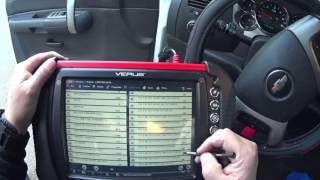
- If the wiring passes muster, I break out the scan tool and try to command the solenoid on and off, watching for movement or a response. If nothing happens, out comes the multimeter to check resistance and ensure there’s power and ground at the plug.
- Should the solenoid test bad, swap it out. If it seems fine, I’ll hook up a mechanical gauge and check oil pressure at the engine. Low pressure means you might have deeper engine issues or a blocked oil feed.
- If everything up to this point checks out, it’s time to think about internal engine problems-like a sticky or collapsed lifter. That can mean pulling valve covers or even the intake manifold. Not a quick job.
Always start with the basics-oil and wiring-before diving deeper. And if you’re not confident with electrical testing, grab a buddy with experience or a pro to help. Don’t guess; verify.
Common Mistakes When Fixing dtc P3431
A classic mistake I see in the shop is folks rushing to replace the solenoid without checking oil or wiring first. Another one? Ignoring the possibility of a clogged oil passage-just because you’ve got a shiny new solenoid doesn’t mean oil’s getting to it. And don’t neglect those connectors; a bent pin or a touch of corrosion can be all it takes to trigger this code. If you skip these steps, you’re setting yourself up for wasted time and a lighter wallet.

How Serious Is a P3431 code
Trust me, this isn’t one to shrug off. Your vehicle might seem to run just fine, but ignoring P3431 can snowball into much bigger headaches. If that cylinder won’t deactivate, you’re losing out on gas savings, and if oil flow is the root cause, you risk damaging lifters, the camshaft, or even the whole engine. What starts as a little warning light can turn into a hefty repair bill if you let it slide. Take care of it now-your engine (and your wallet) will thank you.
Repair Solutions for P3431 trouble code
When I’m fixing a p3431 trouble code, here’s my real-world approach:
- Change or top off the oil if it’s low or looks dirty. Always use the oil type and weight your engine calls for.
- Repair or clean up any wiring or connection issues at the cylinder 4 solenoid. A little attention here can go a long way.
- Replace a faulty solenoid if it’s not responding properly.
- If oil passages are clogged, it’s time for an engine flush or a cleaning procedure per the manufacturer’s guidelines.
- For mechanical gremlins like a stuck lifter, you’re looking at disassembly-sometimes replacing lifters or related engine parts.
After each repair, clear the code and take the car for a good drive to make sure you’ve nailed the problem and it doesn’t come back.



Conclusion
Bottom line: P3431 means your engine’s cylinder deactivation system can’t control the exhaust valve on cylinder 4. Nine times out of ten, it’s something straightforward like oil or a wiring hiccup, but left unchecked, it can get ugly in a hurry. My advice? Start with an oil check and a thorough look at wiring and the solenoid. Don’t put it off-catching it early saves you money and stress. The best fix is to work through each step, find out what’s really causing the issue, and not just clear the code. That’s how you keep your engine running strong and steer clear of those costly repairs down the line.

 6762
6762 6 minutes of reading