
Common Causes of P3432 code
From my time in the shop, the root causes of P3432 don’t usually stray far from a handful of usual suspects on Chrysler, Dodge, and Jeep vehicles. Here’s what tends to show up when I’m diagnosing:
- Low engine oil pressure-if the oil’s not moving like it should, the cylinder deactivation system just can’t do its job.
- Restricted oil passage-sludge or gunk plugging up those tiny oil channels can easily throw things off.
- Mechanical problems inside the engine-think worn lifters or valve train issues.
- Faulty cylinder deactivation solenoid-the solenoid managing oil flow to the lifter gives up the ghost, and the code appears.
- Wiring harness headaches-broken, shorted, or corroded wires running to the solenoid.
- Poor electrical connections-loose, bent, or corroded pins at the solenoid connector.
If I had to bet, most of the time it’s the solenoid or the wiring harness causing the grief, but don’t rule out oil pressure or deeper engine problems. I’ve seen all of them trip this code at one point or another.
Typical Symptoms of P3432
When P3432 rears its head, the first thing you’ll likely spot is that dreaded check engine light. Sometimes, that’s the only clue. But depending on how far gone things are, you might feel the engine running rough, especially when idling or as the system tries to switch between V8 and V4. I’ve had folks tell me they noticed worse fuel mileage, more vibration, or even a ticking noise under the hood. If things get really out of hand, the engine might start misfiring or drop into reduced power mode to protect itself. But honestly, sometimes it’s just that one annoying light on your dash and nothing else.

How to Diagnose a P3432 trouble code
Let me walk you through how I tackle a P3432 diagnosis, step by step. No need to overcomplicate things-start with the basics:
- First off, check the engine oil-both the level and condition. If it’s low or looking dirty, you’re already on shaky ground. Change it or top it up if needed.
- Next, take a close look at the wiring harness and connector at the cylinder 4 deactivation solenoid. Look for any damaged, loose, or corroded wires and pins. Sometimes just a gentle wiggle will reveal a problem that only shows up intermittently.
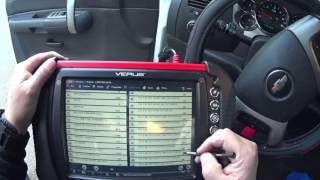
- With the engine off, grab a multimeter and check for continuity and shorts between the ECM and the solenoid wiring. If you’re not comfortable with electrical work, don’t hesitate to get a second set of hands.
- Then, test the solenoid itself. Most service manuals will tell you to check resistance across the solenoid terminals-if the numbers are off, swap the solenoid.
- If the wiring and solenoid check out, hook up a mechanical oil pressure gauge and see what you’re actually getting. Low oil pressure can be a sign of a bigger problem or a blocked oil passage.
- If all else fails, you might be looking at an internal engine issue-maybe a stuck lifter or worn cam components. At that point, you’re pulling valve covers or even the intake to dig deeper.
One last thing-always clear the code and give the car a good test drive after any fix to make sure your repair really stuck.
Avoiding Common Mistakes with P3432 engine code
A classic mistake I see is folks jumping straight to replacing the solenoid without checking the oil or the wiring first. Don’t throw parts at the problem-sometimes it’s just a loose connector or a low oil level causing the headache. Another misstep is forgetting about possible oil passage restrictions; ignore the sludge or debris, and you’ll keep chasing your tail. And don’t forget to clear the code and test drive-otherwise, you’ll never know if you actually fixed anything.

How Serious is dtc P3432
Letting a P3432 slide is a gamble you don’t want to take. Sure, your car might still run, but you’re inviting bigger trouble. When the cylinder deactivation system isn’t doing its job, you’re risking lousy engine performance, higher emissions, and possibly serious engine damage if oil flow is compromised. I’ve seen lifters, camshafts, and solenoids all take a hit from ignoring this code. Bottom line-don’t wait. Get it checked out before a small problem turns into a major repair bill.
Effective Repair Solutions for obd2 code P3432
Here’s what I’ve found works best for fixing P3432:
- Change out the engine oil and filter if they’re dirty or running low.
- Repair or replace any damaged wiring or connectors at the solenoid.
- If the solenoid is bad, swap it for a new one.
- Flush out any sludge or debris blocking oil passages.
- If you find mechanical problems with the lifters or valve train, fix those too.
Start with the simplest stuff-oil and wiring-before you dive into the deeper end. Trust me, that approach has saved plenty of people from unnecessary headaches and expenses.



Conclusion
Here’s the bottom line: P3432 means your engine’s cylinder deactivation system can’t control the exhaust valve on cylinder 4 like it’s supposed to. It’s not something you should ignore, since it can snowball into much bigger engine issues if left unchecked. My advice? Check your oil, give the wiring and solenoid a good once-over, and only dig further if those don’t fix it. Fast action is the best way to keep your engine in top shape and steer clear of costly repairs.
 5101
5101 6 minutes of reading