
Causes and obd code P3433
From my time under the hood, I can tell you the usual suspects behind a p3433 code show up again and again, no matter if you’re working on a Chevy, GMC, Dodge, or Jeep. Here’s what I see most often:
- Low engine oil pressure-if the oil isn’t flowing the way it should, the deactivation system just can’t do its job.
- Blocked or restricted oil passages-sludge, carbon, or old gasket material can clog things up and starve the system.
- Mechanical issues inside the engine-think worn lifters, sticking valves, or other internal problems.
- Bad cylinder deactivation or MDS solenoid-this is the electrical valve that directs oil where it needs to go for the system to function.
- Wiring harness headaches-broken, frayed, or corroded wires leading to the solenoid are more common than you’d think.
- Electrical connection problems-loose, bent, or crusty pins at the connectors can really throw a wrench in the works.
For GM vehicles like Cadillac, Chevrolet, and GMC, I run into issues with the VLOM (Valve Lifter Oil Manifold) solenoid or its wiring more than anything else. On the Chrysler, Dodge, and Jeep side, it’s usually the MDS solenoid circuit. Nine times out of ten, it’s the solenoid or the wiring, but you can’t ignore oil pressure problems-they’re a big factor in tripping this code.
Symptoms and dtc P3433
Most folks notice the check engine light first-that’s your early warning. Sometimes, you’ll feel the engine running rough, especially when it tries to switch between running on all cylinders and dropping some out for fuel savings. I’ve had customers mention a dip in fuel economy or that things just don’t feel as smooth as they used to. Other times, that warning light is the only clue you get. In more serious cases, you might run into misfires, hesitation, or, on rare occasions, the engine might stall out.

Diagnosis and obd2 code P3433
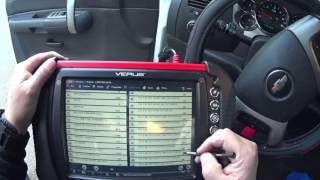
When I get a vehicle in with a p3433 code, here’s my go-to routine. First thing-check your engine oil level and how clean it is. Dirty or low oil is a recipe for trouble with these systems. Next up, I get my eyes on the wiring and connectors going to the cylinder 5 solenoid (or the MDS solenoid if you’re working on a Chrysler, Dodge, or Jeep). Watch out for broken wires, corrosion, or anything that looks out of place-don’t miss bent or loose pins inside the connector; they’re easy to overlook but often the culprit. If everything checks out visually, I’ll break out the scan tool and try to command the solenoid on and off, seeing if it responds. No action? Time to grab a multimeter and check the solenoid’s resistance-if it’s not within spec, you’ve likely found your problem. I also pay close attention to oil flow and pressure; if oil isn’t moving freely or pressure’s low, you’ll get the same code. Here’s a pro-tip: have a buddy help when you’re testing wiring continuity or doing live checks. And before you go digging into deeper engine work, always check the oil for sludge or contamination. That alone can save you a whole lot of headaches.
Common Mistakes when troubleshooting P3433 code
A classic mistake I see is folks swapping out the solenoid right away without checking basics like oil level or the wiring. That’s a fast way to spend money you don’t need to. Another one? Overlooking the connectors-sometimes it’s just a bent pin or a little corrosion causing all the drama. People also ignore oil pressure, figuring it can’t be the problem. Don’t skip a thorough visual once-over; I’ve lost count of how many times I’ve fixed a car by simply plugging a connector back in or cleaning up a contact. Slow down and do the basics first.

Seriousness of a P3433 engine code
Don’t shrug this one off. While you might get away with driving for a bit, letting a p3433 code linger can lead to rough running, lousy fuel mileage, and-if oil flow is hampered-real engine damage over time. If that solenoid or its wiring is toast, you risk misfires or even hurting the lifters, cam, or valves if you keep pushing it. I’ve seen things go downhill fast when this code gets ignored. If you hear odd noises or notice the engine running rough, get it checked out sooner rather than later. Trust me, you don’t want to wait until the damage is done.
Repair solutions for a P3433 trouble code
Here’s how I tackle a p3433 code, step by step, using what’s worked for me and others in the field:
- Check and top off or change the engine oil-make sure it’s the right grade and looks clean.
- Clean up or fix any wiring or connector issues at the solenoid-corrosion and broken wires pop up a lot.
- Swap out the cylinder deactivation or MDS solenoid if it fails the resistance or activation test.
- Flush out sludge or clear any blockages in the oil passages-sometimes this means a full engine flush, especially on higher mileage vehicles.
- If you find bad lifters or other mechanical damage, replace those parts before they cause even bigger problems.
After the repairs, I always clear the code and take the car for a test drive to make sure everything’s back in order. Start simple with oil and wiring before tearing into the engine or swapping solenoids. You’d be amazed how often the fix is in the basics.


Conclusion
So, bottom line-P3433 means your cylinder deactivation system isn’t working right on cylinder 5, usually because of something electrical or an oil flow hiccup. Sorting it out quickly is essential; dragging your feet just invites bigger, costlier issues. Always begin with the simple stuff: check your oil, eyeball the wiring, and don’t skip testing the solenoid. Most times, a fix in these areas gets you back on the road with no drama. If you’re ever unsure, let a pro take a look-catching it early can save you serious headaches and a pile of cash down the line.

 4987
4987 6 minutes of reading