
Causes of P3434 Engine Code
From my time under the hood, I can tell you the reasons for P3434 are usually pretty similar no matter the make, though the fine points might shift a bit from one brand to another. Take a look at what’s usually behind this code:
- Low engine oil pressure-if oil isn’t moving as it should, you can bet the system will have issues.
- Blocked oil passages-gunk and debris can jam up the tiny oilways that feed the deactivation lifters or solenoids.
- Mechanical problems inside the engine-think sticking or failed lifters, or worn-out pieces in the valve train.
- A faulty cylinder deactivation solenoid (GM calls it VLOM, Chrysler/Dodge/Jeep use MDS)-when this part gives up, the system can’t flip between modes the way it should.
- Wiring gremlins-broken or shorted wires, or loose/corroded connections at the solenoid or its harness can cause all kinds of weird problems.
If you want my honest opinion, oil issues-whether it’s pressure or cleanliness-are the usual suspects. But don’t sleep on electrical problems or a bum solenoid either. No matter which automaker, the root causes tend to look a lot alike.
Symptoms Associated with P3434 Trouble Code
With P3434, here’s what you’re likely to notice: That check engine light is almost always the first tip-off. Sometimes the engine will run rough, especially when it tries to switch between all cylinders and its fuel-saving mode. You might see your MPG drop, or maybe the engine just feels off-not as smooth as you’re used to. Every now and then, I’ll hear about ticking or tapping noises coming from under the hood. But honestly? Sometimes the only clue is that little light on your dash staring back at you.

Diagnosis Process for P3434 Code
When I’m chasing down a P3434, I always start simple and work my way up. Here’s my game plan:
- First, pop the hood and check your oil-both the level and the condition. If it’s low or dirty, you’ve probably found your culprit. Top it off or swap it out, but don’t forget to use the right oil for your engine.
- Next, get hands-on with the wiring and connectors at the cylinder deactivation solenoid (VLOM or MDS). Look for broken wires, loose or corroded pins, or anything that doesn’t look right. A pro-tip: Have someone wiggle the harness while you watch for changes-sometimes the problem only shows up when things move.
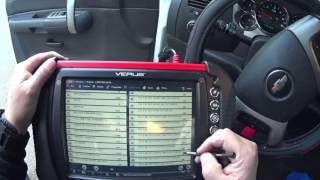
- If wiring looks solid, grab a scan tool and see what’s happening when the system tries to operate. A lot of times, you can run a test to trigger the solenoid and either listen for a click or feel for it moving.
- Got access to a mechanical oil pressure gauge? Hook it up and check what you’re getting at idle and at higher RPM. If pressure’s low, that points to deeper issues-maybe a clogged oil passage or a tired pump.
- Still no answer? Test the solenoid itself. On some engines, you can swap it with another cylinder and see if the code moves along with it.
- If you’ve made it this far and haven’t found the problem, you’re probably looking at something internal-like a failed lifter or worn camshaft. At this point, it’s time to call in a pro, because digging into the engine gets serious fast.
After each fix, clear the code and take the car for a spin to see if it comes back. Sometimes the simplest fix-like fresh oil-gets you back on the road.
Common Mistakes When Fixing DTC P3434
A classic mistake I see? Folks go straight to swapping out the solenoid without checking the basics-oil or wiring. That’s a good way to spend money you didn’t have to. Another common misstep is ignoring the oil pressure or running with dirty oil-these systems are fussy when it comes to lubrication. I’ve also seen people skip a close inspection of the connectors and pins. Corrosion or a bent pin can hide in plain sight and cause all sorts of headaches. Don’t gloss over the simple stuff or you’ll chase your tail for hours.

Seriousness of OBD2 Code P3434
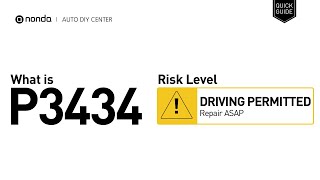
Let me be straight with you: This isn’t a code you brush off and hope it goes away. Keep driving with P3434 lit up and you could be staring down the barrel of some pricey repairs-think camshaft, lifters, solenoids, the works. If oil pressure drops or a passage gets blocked, things can snowball fast. Not only can performance and fuel economy take a nosedive, but you might end up stranded or facing engine damage that’ll have you opening your wallet wide. Don’t put this one on the back burner.
Repair Steps for OBD Code P3434
Here’s what usually gets the job done for P3434, based on what I see in the bay and what the manufacturers recommend:
- Start by changing the engine oil and filter. Use the right grade and type-don’t cheap out here.
- If you spot wiring or connector problems, fix them right away-clean, tighten, or replace anything that looks suspect.
- If the solenoid tests bad or swapping it moves the code to another cylinder, replace it.
- If oil pressure is reading low, dig in to figure out why-this might mean cleaning out oil passages, replacing the oil pump, or chasing down internal engine issues.
- If you uncover a mechanical issue like a stuck lifter or worn cam, it’s time for deeper engine work. That’s a job for someone with the right experience and tools.
Don’t forget to clear the code and take the vehicle for a test drive to make sure your fix did the trick.


Conclusion
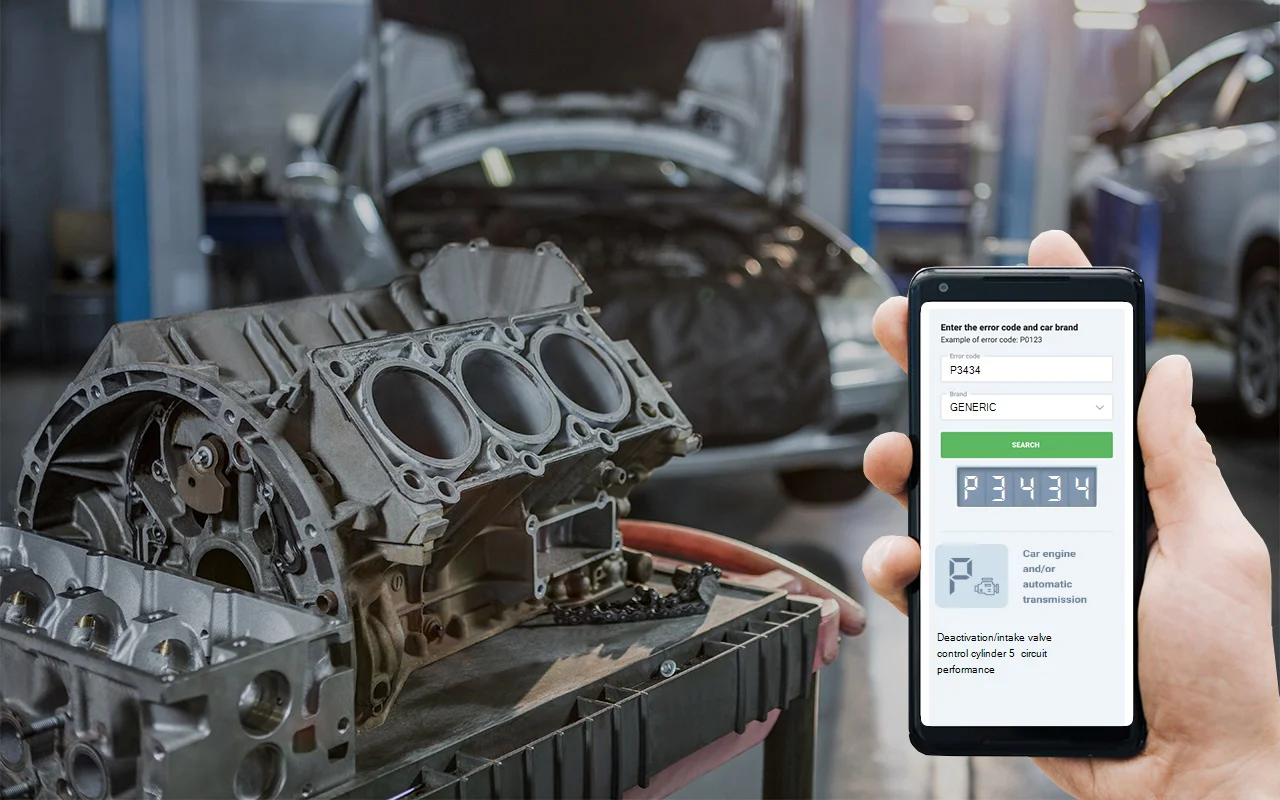
Bottom line? P3434 means your cylinder deactivation system can’t manage the intake valve on cylinder 5 the way it should. Nine times out of ten, oil issues, wiring faults, or a bad solenoid are to blame. Don’t let it sit-jump on it quick and you’ll save yourself a lot of grief (and cash). Always start with the basics: oil, wiring, solenoid. Fix it early and you’re usually looking at a simple, affordable repair. Ignore it, and you could be in for some serious engine trouble. Take it step by step, and if things get over your head, don’t hesitate to bring in a pro. Your engine-and your wallet-will thank you later.
 3886
3886 7 minutes of reading