
Causes and obd2 code P3435 diagnosis
From my time under the hood and what’s laid out in the shop manuals, here’s what usually causes a P3435 code to show up:
- Low engine oil pressure (this whole setup relies on clean, pressurized oil)
- Oil passages that are clogged or restricted (sludge and dirty oil are the main culprits here)
- Mechanical trouble inside the engine-think worn lifters or busted valve parts
- A malfunctioning cylinder deactivation solenoid (that’s the valve that controls oil flow to the lifters)
- Wiring or connectors that are broken, shorted out, or corroded on the way to the solenoid
- Weak or dodgy electrical connections in the solenoid circuit
If you’re working on a Chrysler, Dodge, or Jeep, the solenoid’s part of the MDS system, but the real-world problems are just about the same. Nine times out of ten, I’m tracking down a bad solenoid or a wiring gremlin. But don’t overlook low oil pressure, especially if oil changes have been skipped or ignored-those cases pop up more than you’d think.
Symptoms and obd code P3435 issues
When P3435 rears its head, you’ll pretty much always see the check engine light. Sometimes, that’s it. Other times, you’ll feel the engine running rough, especially as the system tries to switch between full and partial cylinder modes. You might notice a dip in gas mileage, or the engine could hesitate, stumble, or even misfire. On rare occasions, you’ll hear a ticking or tapping noise coming from the engine bay. If things really go sideways, your vehicle might throw itself into reduced power mode just to protect itself from further damage.

Diagnosis steps for P3435
Here’s my step-by-step when a P3435 code lands on my desk:
- I always start by checking the engine oil level and its condition. Low or filthy oil will mess up these systems in a hurry. If it needs it, change the oil and use the right type-it’s not the place to cut corners.
- Next, I get in close and inspect the wiring and connectors leading to the cylinder 5 deactivation solenoid (or MDS solenoid if you’re dealing with Chrysler/Dodge/Jeep). Look for anything out of place: snapped wires, loose plugs, green corrosion-anything that looks suspect. Sometimes, just moving the connector around will show a bad connection.
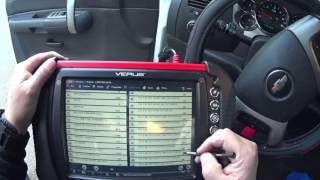
- Then I’ll clear the code with a scan tool and see if it comes right back. If it does, I use the scan tool to command the solenoid on and off, listening for a click or watching a test light at the connector. No click, no light? You’re on the right track.
- If the wiring seems solid, I unplug the solenoid and check its resistance with a multimeter, lining up my numbers with the service manual specs. If it’s way off, the solenoid’s a goner.
- Don’t forget to look for oil sludge or blockages in the oil passages feeding the solenoid and lifters. Sometimes, you’ve got to pop a valve cover to see what’s really going on in there.
- If all else checks out, I start digging for deeper mechanical issues-like a collapsed lifter or a worn camshaft-but only after I’ve ruled out the easier stuff.
If you’re poking around with the engine running, grab a buddy to help-especially when checking wiring or solenoids. It’s safer and makes the job a whole lot easier.
Common mistakes when troubleshooting P3435 code
A classic mistake I see all the time: folks rush to swap the solenoid without even glancing at the oil level or the wiring. Another blunder? Ignoring oil pressure. If it’s low, nothing else in the system stands a chance of working right. People also forget to check for crusty terminals or loose pins in the connectors-those little gremlins can make the code come and go, driving you nuts. And don’t skip clearing the code and seeing if it comes back; otherwise, you’ll be chasing your tail. Always start simple-oil, wiring, basics-before you start throwing parts and money at the problem.

Seriousness of dtc P3435
This isn’t the kind of code you want to shrug off. Sure, your car might still get you from A to B for now, but letting this one slide can snowball into much bigger headaches. If the system can’t shut down cylinders as designed, you’re looking at lousy fuel economy, rough running, and-if oil pressure or blockages are the root cause-real engine damage. I’ve seen neglected issues like this chew up lifters, flatten cam lobes, or even trash an engine outright. Don’t take the risk. Get it checked out before a small code turns into a wallet-busting repair.
Repair options for P3435 trouble code
When I’m fixing a P3435 code, here’s what’s worked best for me and lines up with what the manuals say:
- Swap out the engine oil and filter if it’s dirty or not the right spec
- Fix or replace busted wiring or connectors going to the solenoid
- Change out the cylinder deactivation solenoid (or MDS solenoid) if it fails resistance or function tests
- Flush out any oil sludge or clear blockages in the oil passages-sometimes, that means tearing down part of the engine
- If I find mechanical issues with lifters, the cam, or related parts, those get addressed too
Usually, it’s a mix of cleaning things up, sorting out wiring gremlins, and swapping a bad solenoid. If you’re good about changing your oil, you’ll avoid most of these headaches in the first place.


Conclusion
Bottom line, P3435 means your cylinder 5 deactivation system isn’t pulling its weight. Oil problems, wiring faults, or a shot solenoid are usually to blame. Don’t put this off-it can spiral into major engine issues if you let it ride. Start with the basics: check your oil, go over the wiring, and put the solenoid through its paces. In all my years turning wrenches, sticking to these steps has been the surest way to get engines running smooth again and keep you out of the shop for the long haul.

 5153
5153 6 minutes of reading