
Causes of obd2 code P3438 in Chrysler Dodge Jeep V8 Engines
From experience, the main culprits behind P3438 are pretty familiar. Nine times out of ten, it’s low engine oil pressure or something clogging up the oil passage that feeds those cylinder deactivation lifters. I’ve also come across mechanical failures-think worn-out lifters or valves that just won’t budge. Don’t overlook the solenoids, either; a bad one or a wiring fault-like a frayed wire or a crusty connector-can absolutely trigger this code. Here’s my usual checklist before I dig deeper:
- Low engine oil pressure
- Gunked-up or blocked oil passage to the lifter
- Mechanical issues with the lifter or valve itself
- Defective cylinder deactivation solenoid
- Broken, shorted, or damaged solenoid wiring
- Loose, corroded, or bent electrical connectors at the solenoid
My advice? Always tackle the basics first before you start tearing into the engine.
P3438 Symptoms and Warning Signs
When P3438 pops up, the check engine light usually comes on right away. Sometimes you’ll feel your engine running rough or notice it’s not as smooth, especially when the system tries to switch between V8 and V4 mode. I’ve had customers mention a sudden drop in fuel economy or a bit more vibration than usual. Occasionally, though, you might not feel anything at all, but trust me-it’s not something you want to leave unchecked. Ignoring it can let a small issue snowball into a major headache.

Diagnosis Steps for obd code P3438
Here’s how I sort out P3438 when it lands on my bench. First thing’s first: check your oil-both the level and how clean it is. Dirty or low oil is a recipe for problems with these deactivation systems. Next, I always take a close look at the wiring and connectors for the cylinder 5 deactivation solenoid. Look for broken wires, loose plugs, or any sign of corrosion. If you’re not used to poking around the engine, have someone give you a hand. After that, I’ll grab the scan tool and command the solenoid on and off-if it doesn’t respond or make a clicking sound, you could have a bad solenoid. Don’t skip checking the oil passages for sludge or debris-blockages here are more common than you might think. If everything checks out electrically and oil-wise, it’s time to pull the valve cover and inspect the lifter and valve mechanism. Don’t rush into the big stuff before giving each of these steps a careful look.
Common Mistakes When Resolving P3438 trouble code
A classic mistake I see is folks going straight for the solenoid replacement without even checking the oil or the wiring first. I can’t count how many times someone’s thrown parts at the problem, only to find out it was just a dirty oil passage or a loose connector. Another trap? Ignoring the possibility of a mechanical issue-sometimes it’s the lifter or valve itself, not just the electronics. Always double-check your connectors for corrosion or bent pins; miss that, and you’ll waste time and money chasing your tail.

Seriousness of dtc P3438 Issues
Let me be clear: this isn’t a code you can shrug off. If the cylinder deactivation system isn’t doing its job, you risk engine misfires, extra wear on internal parts, and even damage to the cam or lifters. Things can go downhill fast, and before you know it, you might be looking at a full valve train or engine replacement. Don’t gamble with this one-the sooner you tackle it, the better your chances of avoiding a massive repair bill.
Repair Solutions for P3438 code
Once you’ve nailed down the cause, fixing P3438 is usually pretty direct. I always start with an oil change and verify the oil pressure is up to factory spec-don’t cut corners here. If you spot damaged wiring or bad connectors, fix or replace them right away. For a bad solenoid, make sure you use an OEM replacement. If it turns out the lifter or valve is the problem, you’ll be replacing those components. And don’t forget-clear the code with your scan tool and take the car for a test drive to confirm everything’s sorted out.


Conclusion
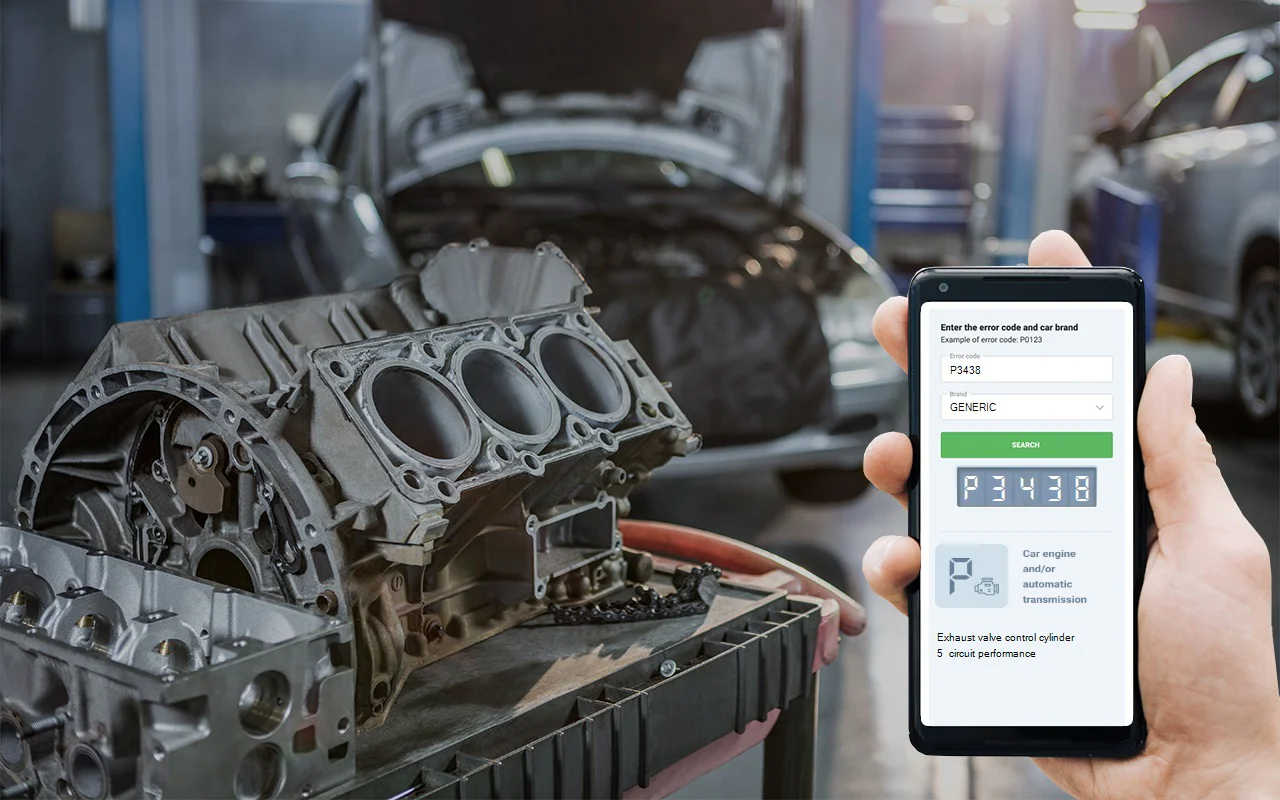
Bottom line? P3438 spells trouble with the exhaust valve control for cylinder 5, almost always tied to the cylinder deactivation system in Chrysler, Dodge, and Jeep V8s. It’s not a code you want to ignore-left alone, it can snowball into major engine damage and safety concerns. The smartest move is to start with the basics: check your oil and wiring, then move on to the solenoid and mechanical parts if you have to. Tackle it early, work through it methodically, and you’ll keep your engine running strong while dodging those big repair bills down the line.
 4300
4300 5 minutes of reading