
Main Causes of P3440 Trouble Code
From experience, the most common reasons I see for a P3440 code are:
- Low engine oil pressure (this system is very sensitive to oil quality and level)
- Restricted or clogged oil passages to the cylinder deactivation lifters or solenoids
- Mechanical problems inside the engine, like a stuck or worn lifter
- A faulty cylinder deactivation solenoid (the part that controls oil flow to the lifters)
- Wiring issues-open or short circuits in the solenoid harness, or poor electrical connections
Over the years, these same culprits keep popping up across Chrysler, Dodge, and Jeep vehicles running this setup. Nine times out of ten, it’s something simple like dirty oil or a bad solenoid, but every once in a while, you’ll run into an internal engine issue that takes a bit more digging.
Common Symptoms of OBD Code P3440
If you’ve got this code, the first thing that’ll usually tip you off is the check engine light. Sometimes that’s the only clue. Other times, you might notice your engine running a little rough-especially when it switches between V8 and V4 mode. Maybe your fuel mileage drops off, or you feel a hesitation or even a misfire. On rare occasions, I’ve heard ticking from the engine or noticed it just doesn’t have the same get-up-and-go. If any of this sounds familiar, don’t brush it off. Your car’s trying to tell you something’s out of whack.

Step by Step Diagnosis for P3440 Engine Code
Here’s the way I tackle a P3440 code when one rolls into the shop:
- Start with the basics: check your oil level and how clean it is. If it’s low or looks like it’s seen better days, you’ve already found a likely suspect. Top it off or change it with the right type and see what happens.
- Next, I move to the wiring and connectors for the cylinder 5 deactivation solenoid. I’m hunting for broken wires, loose or corroded plugs, or anything that looks off. Pro-tip: have someone wiggle the harness while you watch the live data or check for changes.
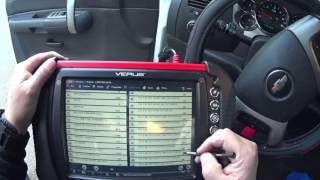
- If the wiring checks out, I grab my scan tool and command the solenoid on and off. Sometimes I’ll break out the multimeter to check resistance. If the solenoid doesn’t play ball or the numbers are off, you’ve likely found your problem.
- Still not fixed? Then I’m checking for oil flow and pressure to the lifters. This step can get messy and sometimes needs special tools or removing covers, but it’s vital to make sure oil’s getting where it needs to go.
- If everything else looks good, start thinking about the mechanical condition of the lifters and related parts. This is where things can get deep, but don’t skip it if the simple stuff isn’t solving the problem.
One last tip: always scan for related trouble codes. Sometimes they’ll show you exactly where the real issue lies.
Common Mistakes When Fixing P3440 Code
A classic mistake I see is folks immediately swapping out the solenoid without checking oil level or the wiring first. Another one? Ignoring the possibility of a clogged oil passage-just because you threw a new solenoid in doesn’t mean oil can get to it. I’ve also watched techs overlook a sticky or worn lifter, which can lead to much bigger headaches down the road. Always work through the fundamentals before you start replacing parts. It’ll save you time, money, and plenty of frustration.

Seriousness of DTC P3440 Issues
Let me be straight with you: this isn’t a code you can just ignore. If you let P3440 slide, you’re playing with fire-damaged lifters, a chewed-up camshaft, or even worse engine carnage thanks to poor lubrication or valves not doing their job. Things can go bad fast if you don’t handle it. You might end up on the side of the road, or staring at a repair bill that makes your wallet cry. If you start feeling rough running or a power drop, consider it a warning shot. Don’t wait.
Recommended Repair Steps for P3440
Here’s what’s worked best for me when tackling this code:
- Change the engine oil and filter, using the exact grade and type your engine calls for
- Fix or replace any sketchy wiring or connectors running to the cylinder 5 deactivation solenoid
- If the solenoid itself is toast, swap it out for a new one
- Clean out any blocked oil passages-sometimes this means rolling up your sleeves for some engine teardown
- If you find worn or stuck lifters, or other mechanical issues, repair or replace those parts as needed
My advice? Always work from the simplest fixes-start with oil and wiring-before diving into solenoids or cracking open the engine. It’s the smart way to diagnose and repair.


Conclusion
Bottom line, P3440 means your exhaust valve control circuit for cylinder 5 isn’t happy, usually because something’s up with the cylinder deactivation system. It’s a serious enough problem that ignoring it can cost you big time. Always start with checking your oil, then move through the wiring and solenoid. If those don’t solve it, be ready to dig a little deeper. The sooner you catch and fix it, the better chance you have of keeping your engine running strong-without breaking the bank.

 5713
5713 6 minutes of reading