
Causes of P3442 Trouble Code
From experience, the most common reasons I see for a P3442 code are pretty consistent across brands, though the exact hardware names might differ. Here’s what usually goes wrong:
- Low engine oil pressure - if the oil isn’t flowing strong enough, the system can’t do its job.
- Restricted oil passages - sludge or debris can block the tiny oil channels needed for the lifters and solenoids.
- Mechanical issues inside the engine - like a sticking or worn-out lifter, or problems with the camshaft or valve train.
- Faulty cylinder deactivation solenoid (sometimes called an MDS solenoid on Chrysler/Dodge/Jeep, or VLOM solenoid on GM vehicles).
- Wiring problems - open or shorted circuits, or just a bad connection at the solenoid harness.
- Poor electrical connections - corrosion, bent pins, or loose connectors can easily cause trouble.
Most often the issue is with oil pressure or a faulty solenoid, but I’ve seen wiring problems trip people up too. It’s best to check the simple stuff first before diving into the engine.
Symptoms Associated with P3442 Code
When this code pops up, here’s what you’re likely to notice as a driver:
- The check engine light will come on - that’s usually the first sign.
- You might feel the engine running rough, especially when the system tries to switch between V8 and V4 (or V6 and V4) modes.
- Some folks notice a drop in fuel economy, since the engine can’t shut down cylinders as designed.
- In more severe cases, you could get misfires, hesitation, or even a ticking noise from the engine bay.
From what I’ve seen, sometimes the only clue is the warning light, but if you’re feeling rough running or hearing odd noises, don’t ignore it - things can go south quickly if overlooked.

Diagnosis Steps for DTC P3442
Here’s how I usually tackle a P3442 code, step by step:
- First, check the engine oil level and condition. Low or dirty oil is a surefire way to end up in trouble with these systems. Top off or change the oil if needed, and always use the correct grade.
- Next, I recommend inspecting the wiring and connectors at the cylinder deactivation solenoid (or MDS/VLOM solenoid, depending on your vehicle). Look for loose, corroded, or damaged wires. Don’t forget to check for bent or pushed-out pins in the connectors.
- After that, I like to check for oil pressure with a mechanical gauge. If the pressure is low, you could have a worn oil pump, clogged pickup, or internal engine wear. Don’t skip this step - oil pressure is critical.
- If oil pressure is good and wiring checks out, I move on to testing the solenoid itself. On most vehicles, you can use a scan tool to command the solenoid on and off, or you might need to check resistance with a multimeter. If it’s out of spec, replace it.
- If all the above checks pass, but the code remains, you might be looking at a mechanical issue inside the engine - like a stuck lifter or camshaft problem. At this point, it’s best to have a professional dig deeper, since this can get complicated fast.
It’s better to have someone assist you when checking wiring and connectors, and don’t forget to double-check oil pressure before moving on to the expensive stuff.
Common Mistakes When Fixing P3442 Engine Code
Honestly, I’ve seen a lot of folks jump straight to replacing solenoids or lifters without checking the basics. Here are the most common slip-ups:
- Ignoring oil level and condition - dirty or low oil is often the real culprit.
- Overlooking wiring issues - a loose or corroded connector can mimic a bad solenoid every time.
- Not verifying oil pressure with a mechanical gauge - relying on the dash gauge isn’t enough.
- Skipping a visual inspection for obvious damage or corrosion at the connectors.
Don’t put this off for later - a simple check can save you a lot of money and headaches down the road.

Seriousness of OBD2 Code P3442 Issues
This isn’t something you want to ignore. If the system can’t deactivate the cylinder properly, you risk poor fuel economy, rough running, and even engine damage if oil pressure is low or if a lifter fails. I’ve seen cases where ignoring this code led to worn camshafts, damaged lifters, or even bigger engine repairs. The risks just aren’t worth it - this is a serious hazard if left unchecked, especially if you start hearing noises or feeling misfires. Parts that can be damaged include the camshaft, lifters, and even the solenoid assembly itself.
Repair Solutions for P3442
Here’s what I personally recommend for fixing a P3442 code, based on what’s worked in the shop:
- Change the engine oil and filter, making sure to use the correct type and viscosity.
- Repair or replace any damaged wiring or connectors at the solenoid.
- Replace the cylinder deactivation solenoid (or MDS/VLOM solenoid) if it tests bad.
- If oil pressure is low, address the cause - this could mean replacing the oil pump or cleaning out sludge from the oil passages.
- If there’s a mechanical issue (like a stuck or collapsed lifter), you may need to replace the lifter or, in rare cases, repair the camshaft or valve train.
It’s best to start with something simple like an oil change and wiring check before moving on to the more involved repairs.

Conclusion
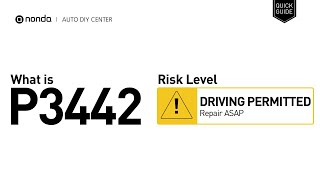
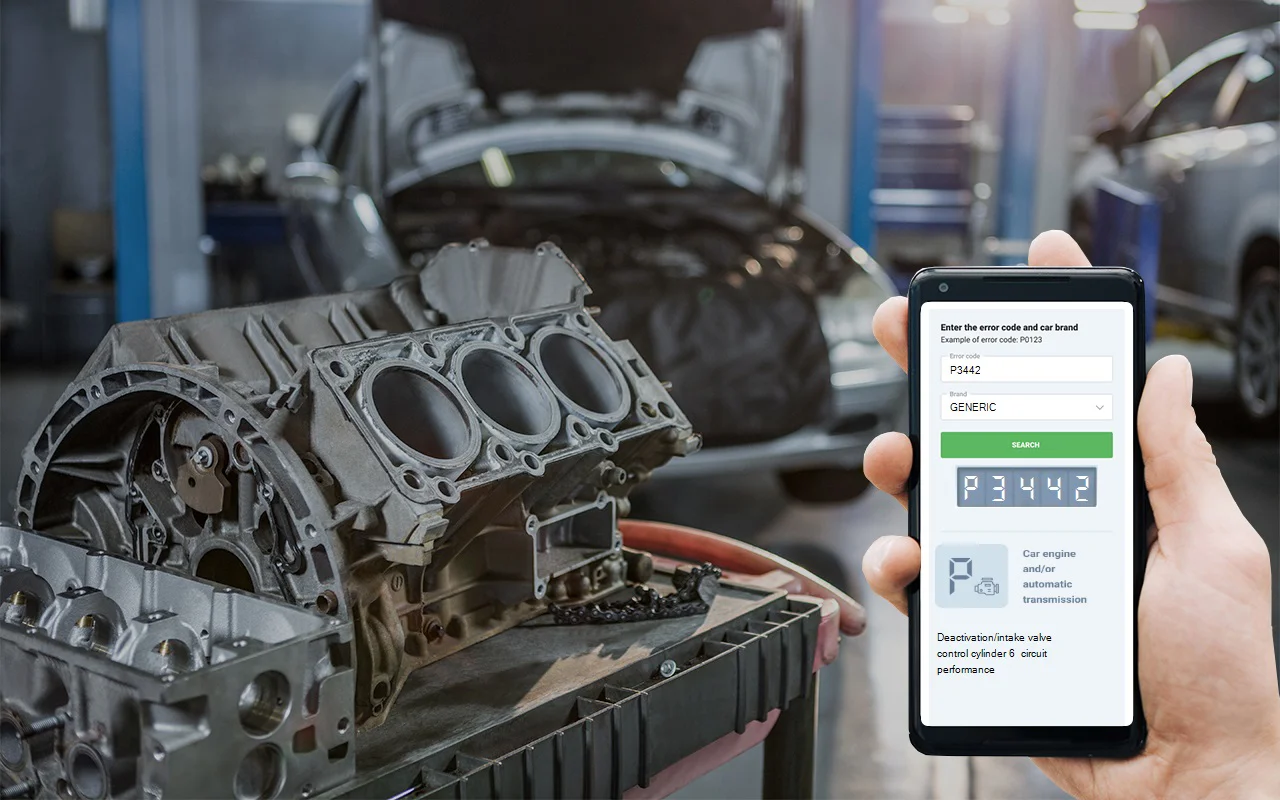
To sum it up, P3442 means your engine’s cylinder deactivation system isn’t working right on cylinder 6, usually due to oil pressure, a bad solenoid, or wiring trouble. This code deserves prompt attention - it can lead to bigger problems if ignored. The most reliable way to fix it is to start with an oil and wiring check, then move on to the solenoid and internal engine parts if needed. Don’t wait on this one - your engine (and your wallet) will thank you for acting quickly.
 3799
3799 6 minutes of reading