
Causes and obd code P3444 troubleshooting
From experience, the most common reasons I see for a P3444 code are pretty consistent across brands, though the exact parts might have different names. Here’s what usually causes it:
- Low engine oil pressure - If your oil is low or the pressure is weak, the system can’t work right.
- Restricted oil passages - Sludge or debris can block the tiny oil channels that feed the deactivation lifters or solenoids.
- Mechanical engine issues - Problems with the lifters, camshaft, or valves themselves can prevent proper deactivation.
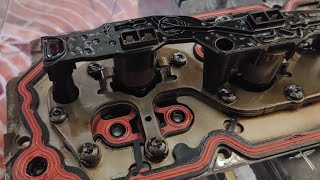
- Faulty cylinder deactivation solenoid (GM: VLOM solenoid, Chrysler: MDS solenoid) - These are the electrically controlled valves that direct oil to the lifters.
- Open or shorted wiring harness to the solenoid - Broken, pinched, or corroded wires are a classic culprit.
- Poor electrical connections at the solenoid or control module - Loose, bent, or corroded pins in the connectors can cause all sorts of headaches.
Most often, it’s either an oil issue or a bad solenoid, but I’ve seen wiring problems trip up even the best of us.
Symptoms and P3444 trouble code indicators
When this code is active, here’s what you’re likely to notice as a driver:
- The check engine light will come on - that’s usually your first clue.
- Sometimes you’ll feel rough running, especially at idle or when the engine tries to switch between V8 and V4 (or V6 and V3) mode.
- You might notice a drop in fuel economy, since the engine can’t deactivate cylinders as it should.
- In some cases, there’s a noticeable ticking or tapping noise from the engine, or even a misfire if things get bad enough.
But honestly, sometimes the only sign is that pesky light on the dash. Don’t ignore it, though - things can go south quickly if left unchecked.

Diagnosis and P3444 engine code steps
Here’s how I personally tackle a P3444 code, step by step:
- First, I always check the engine oil level and condition. Low or dirty oil is a surefire way to end up with this code. Top it up or change it if needed.
- Next, I inspect the wiring harness and connectors going to the cylinder deactivation solenoid (or MDS solenoid on Chrysler/Dodge/Jeep). Look for broken wires, corrosion, or loose pins. It’s best to have someone assist you by wiggling the harness while you watch for changes.
- Then, I use a scan tool to command the solenoid on and off, checking if it responds as it should. If it doesn’t, I’ll check for voltage at the connector with a multimeter.
- If the wiring and power supply check out, I’ll move on to testing the solenoid itself. Sometimes you can swap it with another cylinder’s solenoid to see if the problem follows.
- Don’t forget to check for oil sludge or blockages in the oil passages feeding the solenoid and lifters. This might require removing the valve cover or VLOM/MDS assembly for a closer look.
- If all else fails, I’ll check for mechanical issues with the lifters or camshaft, but that’s usually the last resort.
It’s best to start with the simple stuff - oil and wiring - before diving into the deeper engine work.
Common mistakes in obd2 code P3444 repairs
From what I’ve seen, the biggest mistakes folks make with this code are:
- Jumping straight to replacing the solenoid without checking the oil or wiring first. That can waste time and money.
- Overlooking a dirty or low oil condition - it’s easy to forget, but vital for this system.
- Not inspecting the connectors closely enough. Bent or corroded pins can be sneaky and cause intermittent problems.
- Assuming it’s always an electrical issue and not considering mechanical problems like stuck lifters or cam wear.
Take your time and check each step - skipping ahead can lead to frustration and missed fixes.

Seriousness of P3444 code and risks
I can’t stress this enough: don’t put this off for later. While you might be able to drive for a bit with the check engine light on, ignoring a P3444 can lead to bigger headaches. If the system can’t deactivate cylinders properly, you risk poor fuel economy, rough running, and even engine damage if oil flow is restricted or a lifter fails. In the worst cases, you could end up with a misfire that damages the catalytic converter or causes internal engine wear. Parts at risk include the lifters, camshaft, solenoids, and even the wiring harness. This is a serious hazard if left unchecked, especially if oil pressure is involved. You don’t want this kind of trouble on the road.
Repair procedures for dtc P3444
Here’s what I usually do to fix a P3444, based on what the OEMs recommend and what works in the field:
- Change the engine oil and filter if it’s dirty or low.
- Clean out any sludge or debris from the oil passages, especially around the solenoid and lifters.
- Repair or replace any damaged wiring or connectors going to the solenoid.
- Replace the cylinder deactivation solenoid (GM: VLOM solenoid, Chrysler: MDS solenoid) if it fails electrical tests.
- If needed, inspect and replace faulty lifters or address mechanical issues inside the engine.
Always clear the code and test drive to make sure the fix worked and the code doesn’t return.

Conclusion
To sum it up, P3444 means your engine’s cylinder deactivation system isn’t working right for cylinder 6 - usually because of an oil, solenoid, or wiring issue. It’s not something to ignore, since it can lead to rough running and even engine damage if left unchecked. I recommend starting with an oil check and a close look at the wiring, then moving on to the solenoid if needed. Acting quickly is the best way to keep your engine healthy and avoid bigger repair bills down the road.
 4975
4975 6 minutes of reading