
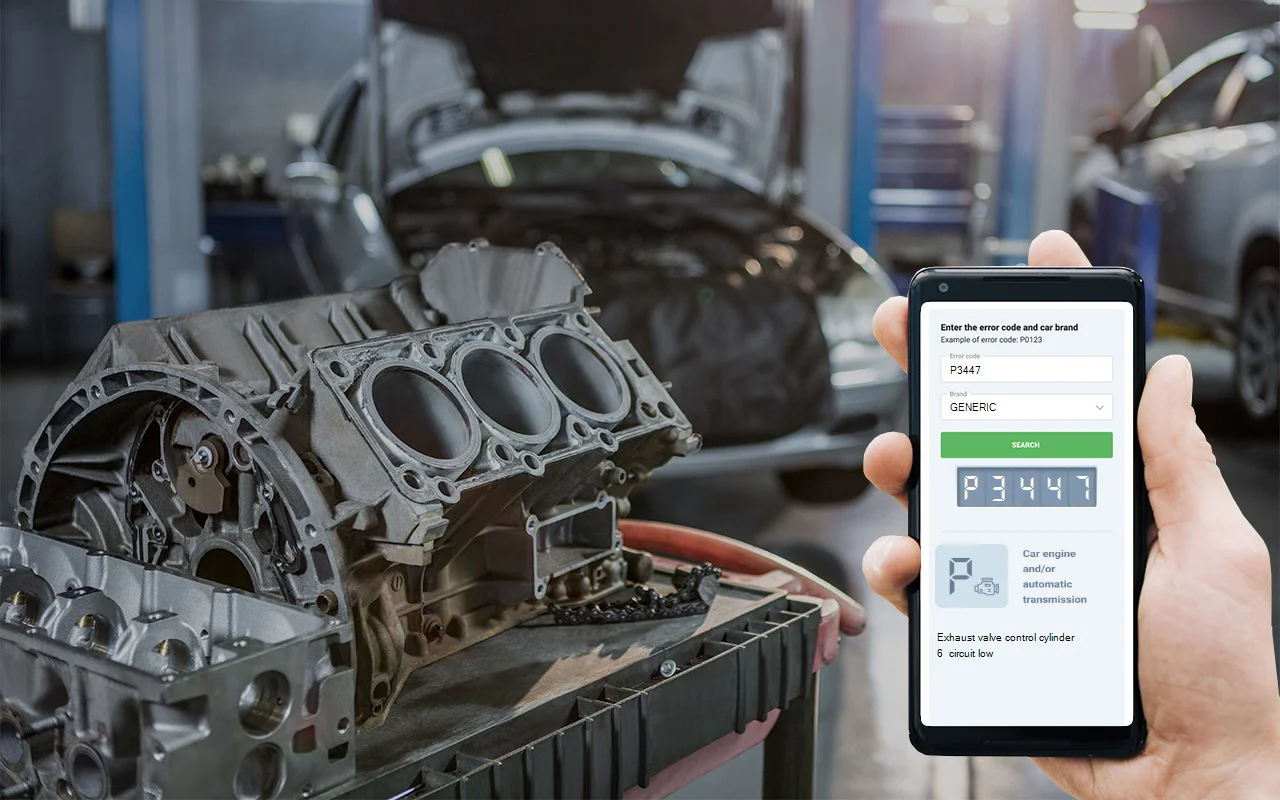
Causes of obd code P3447
From what I see most often in the shop, P3447 usually comes down to a handful of issues. Here’s what I typically check first:
- Low engine oil pressure - if the oil isn’t flowing right, the system can’t deactivate the cylinder properly.
- Restricted oil passages - sludge or debris can block the tiny oil channels that feed the deactivation lifters and solenoids.
- Mechanical problems inside the engine - like a stuck or worn valve lifter.
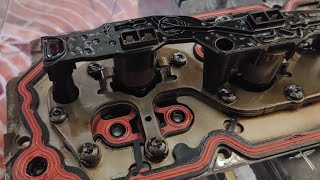
- Faulty cylinder deactivation solenoid - the solenoid that controls oil flow to the lifter might be stuck or failed.
- Wiring harness problems - broken, shorted, or corroded wires or connectors going to the solenoid.
- Poor electrical connections - sometimes it’s just a loose or dirty connector causing the trouble.
These are the main culprits I see for Chrysler, Dodge, and Jeep vehicles with this code. It’s usually one of these, but every now and then you get a surprise.
Symptoms of P3447 code
If you’re driving around with a P3447 code, here’s what you might notice. Most commonly, you’ll see the check engine light come on. Sometimes, you might feel the engine running rough, especially when the system tries to switch between V8 and V4 modes. You could notice a drop in fuel economy, or maybe a bit more vibration or noise than usual. In rare cases, the engine might misfire or hesitate. But honestly, sometimes the only sign is that warning light staring back at you.

Diagnosis of obd2 code P3447
Here’s how I go about tracking down a P3447. I always start simple and work my way up:
- First, I check the engine oil level and condition. Low or dirty oil is a surefire way to get this code. If it’s low, top it up and see if the code comes back.
- Next, I look for any obvious wiring issues around the cylinder deactivation solenoid for cylinder 6. I’ll gently tug on the harness, check for broken or frayed wires, and make sure the connector is clean and tight. Sometimes a little corrosion or a loose pin is all it takes.
- After that, I’ll use a scan tool to command the solenoid on and off, watching to see if it responds. If it doesn’t, I’ll check the solenoid’s resistance with a multimeter - if it’s out of spec, it’s likely bad.
- If everything looks good electrically, I move on to oil passages. I’ll check for signs of sludge or restriction, which might mean dropping the oil pan or valve cover for a closer look. This is where having a helper can really speed things up.
- If the solenoid and wiring check out, but the problem persists, I’ll inspect the lifter itself. Sometimes they get stuck or worn out, and that’s a bigger job.
Don’t forget to clear the code and test drive after each step - sometimes fixing a simple issue is all it takes.
Common mistakes with P3447 trouble code
One thing I see too often is folks jumping straight to replacing the solenoid without checking the oil or wiring first. That’s a quick way to waste money. Another common mistake is overlooking the oil passages - if they’re clogged, you can swap parts all day and never fix the real problem. Also, don’t just clear the code and hope for the best; if you don’t address the root cause, it’ll come right back. Take your time and check each step.

Seriousness of P3447 engine code
This isn’t a code you want to ignore. If you keep driving with a P3447, you risk damaging the lifters, camshaft, or even the engine itself if oil flow is restricted. Things can go south quickly if the system keeps trying to deactivate the cylinder and can’t. You might end up with a misfire, poor performance, or even more expensive repairs down the road. Honestly, it’s dangerous to put this off - the risks just aren’t worth it.
Repair solutions for P3447
Here’s what usually fixes a P3447, based on what I see and what the official procedures say:
- Change the engine oil and filter if it’s dirty or low.
- Clean or repair any restricted oil passages - sometimes a good cleaning is all it takes.
- Repair or replace any damaged wiring or connectors to the cylinder 6 deactivation solenoid.
- Replace the cylinder deactivation solenoid if it fails electrical tests.
- If the lifter is stuck or worn, it may need to be replaced - that’s a bigger job, but sometimes it’s the only way.
Always clear the code and test drive to make sure the fix worked.


Conclusion
To sum it up, P3447 is your vehicle’s way of telling you there’s a problem with the system that helps save fuel by deactivating certain cylinders - specifically, the exhaust valve control for cylinder 6. Don’t put this off; it can lead to serious engine damage if ignored. Start with the basics: check your oil, inspect the wiring, and test the solenoid. Most often, the fix is something simple, but if you catch it early, you’ll save yourself a lot of trouble. If you’re not comfortable digging into this yourself, it’s best to get it checked out by a pro. Your engine (and your wallet) will thank you.
 5607
5607 6 minutes of reading