
Main Causes of obd code P3448
From what I see most often in the shop, the P3448 code usually comes down to a few key culprits. Here’s what tends to cause this code, based on real-world cases and the official repair info:
- Low engine oil pressure-if your oil is low or dirty, or there’s a restriction in the oil passages, the system can’t work right.
- Restricted or blocked oil passages-sludge or debris can block the tiny oil channels needed for cylinder deactivation.
- Mechanical problems inside the engine-like a sticking or worn valve lifter, or internal wear that affects oil flow.
- Faulty cylinder deactivation solenoid (the part that controls oil flow to the lifter for cylinder 6’s exhaust valve).
- Wiring issues-open or shorted wires, or poor electrical connections at the solenoid or harness.
In my experience, it’s usually a combination of oil-related issues or a bad solenoid, but wiring problems do pop up, especially on older vehicles or those exposed to harsh conditions.
Common Symptoms of P3448 code
When this code is active, you’ll probably notice a few things. The most obvious is the check engine light coming on. Sometimes, you might feel the engine running rough, especially when the vehicle is supposed to be in fuel-saving mode (like cruising on the highway). You could also notice a drop in fuel economy, or the engine might hesitate or stumble during transitions between 8-cylinder and 4-cylinder operation. In some cases, there’s no obvious symptom other than the warning light, but I’ve seen situations where ignoring it leads to more severe drivability problems over time.

How to Diagnose dtc P3448
Here’s how I approach diagnosing a P3448 code, step by step:
- First, I always check the engine oil level and condition. Low, dirty, or sludgy oil is a surefire way to end up with this code. If the oil is overdue for a change, start there.
- Next, I inspect the wiring and connectors at the cylinder deactivation solenoid for cylinder 6. Look for broken, corroded, or loose wires. It’s best to have someone help you wiggle the harness while you watch for changes.
- Then, I use a scan tool to command the solenoid on and off, watching for a response. If the solenoid doesn’t click or the scan tool shows no change, it’s likely faulty.
- If the solenoid seems fine, I check for oil flow issues. Sometimes, you’ll need to remove the valve cover and inspect for sludge or blockages in the oil passages.
- Finally, if everything else checks out, I look at the lifter itself. A sticking or collapsed lifter can cause this code, but that’s a bigger job to confirm and repair.
Don’t forget to clear the code and test drive after each step-sometimes, a simple fix like an oil change is all it takes.
Avoid These Common obd2 code P3448 Mistakes
I’ve seen a few common mistakes when folks try to tackle this code. The biggest one is replacing the solenoid right away without checking the oil or wiring first. Another is overlooking a dirty or clogged oil passage-just swapping parts won’t help if oil can’t get where it needs to go. Some people also forget to check for updated Technical Service Bulletins (TSBs) that might point to known issues or improved parts. Skipping basic visual inspections is a classic error, too. Take your time and check the simple stuff before diving into expensive repairs.

The Seriousness of P3448
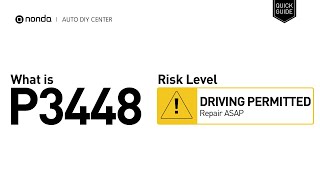
This isn’t a code you want to ignore. If you keep driving with a P3448, you risk damaging the engine’s internal components-especially the valve lifters, camshaft, or even the solenoids themselves. Low oil pressure or blocked passages can quickly lead to major engine wear or failure. Honestly, things can go south quickly if overlooked. You don’t want this kind of trouble on the road, especially if the engine starts running rough or loses power. It’s best to act promptly and get to the bottom of it before it turns into a much bigger (and more expensive) problem.
Effective Repairs for P3448 engine code
Here’s what usually fixes a P3448 code, based on what I see and the official repair info:
- Changing the engine oil and filter if the oil is dirty or old-sometimes that’s all it takes.
- Cleaning or clearing any sludge or debris from the oil passages, especially around the cylinder deactivation solenoids.
- Repairing or replacing damaged wiring or connectors at the solenoid for cylinder 6.
- Replacing the cylinder deactivation solenoid itself if it’s faulty or not responding to commands.
- If there’s a mechanical problem with the lifter or internal engine wear, that may require more in-depth repairs-sometimes even removing the cylinder head.
Always double-check for any TSBs or updated parts-manufacturers sometimes improve these components over time.

Conclusion
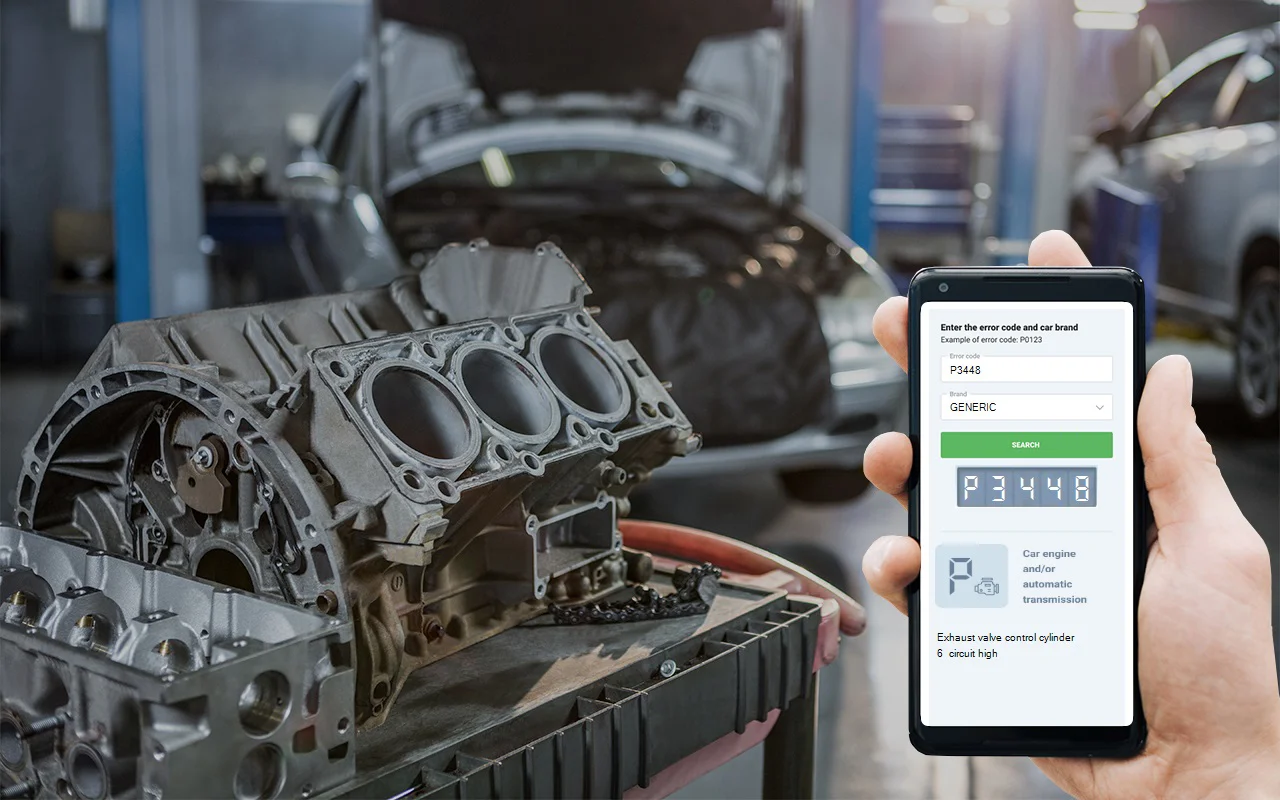
To sum it up, P3448 is a code that points to trouble with the cylinder deactivation system-specifically the exhaust valve control for cylinder 6-on Chrysler, Dodge, and Jeep engines. It’s important to address it quickly, since ignoring it can lead to serious engine damage and costly repairs. Start with the basics: check your oil, inspect the wiring, and test the solenoid. Most often, the fix is straightforward if you catch it early. Don’t put this off for later-your engine (and your wallet) will thank you for acting fast.
 3342
3342 6 minutes of reading