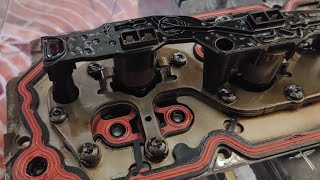
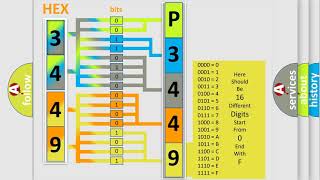
P3449 is a code I’ve run into quite a few times-basically, it means your engine’s computer has caught something off with the cylinder deactivation system, specifically tied to cylinder 7. Let me break it down for you: modern V8 engines are designed to save you some gas by turning off certain cylinders when you’re just cruising or idling. They pull this off with a setup of solenoids and oil passages that control which intake valves are opening or closing. Now, if the computer sees that the intake valve control for cylinder 7 isn’t acting right-maybe it’s stuck, or just plain unresponsive-that’s when you’ll see P3449. You’ll find this feature mostly on V8s that can run on either all eight cylinders or drop down to four, all in the name of better mileage and cleaner emissions. When something goes haywire in this setup, your car’s computer throws this code to get your attention.
DTC P3449
 3923
3923 5 minutes of reading
Causes of obd2 code P3449
From my time under the hood, I can tell you the usual suspects for a P3449 are:
- A failing cylinder #7 deactivation solenoid-this little guy is responsible for shutting off that valve when the computer calls for it.
- Oil passages that are gummed up or clogged-these solenoids depend on healthy oil pressure, so if oil flow is restricted, you’ll run into trouble.
- Low or dirty engine oil-if you’re running low, or the oil is overdue for a change, don’t expect the deactivation system to play nice.
- Wiring or connector issues-broken, corroded, or loose connections to the solenoid are more common than you’d think.
- Very occasionally, a faulty engine computer (ECM/PCM)-but that’s the last place I’d look.
Most of the time, you’re looking at something simple: a bad solenoid, dirty oil, or a crusty connector. Start with the basics before you start swapping expensive components.
Symptoms of P3449 trouble code
When P3449 pops up, here’s what I’ve noticed most drivers report:
- That dreaded check engine light-sometimes it’s the only sign you’ll see at first.
- The engine might run a bit rough, especially at idle or low speed. Feels like a misfire or like the engine just isn’t pulling its weight.
- Your fuel economy drops off. Suddenly, you’re stopping at the pump more often because the engine can’t shut down cylinders like it’s supposed to.
- Overall performance drops-a sluggish, less responsive feel when you hit the gas.
What I often find is drivers ignore these symptoms until the car starts acting up more noticeably. Don’t make that mistake; catch it early if you can.

Diagnosis process for P3449 code
Here’s how I go about tracking down a P3449, step by step:
- First thing: check your engine oil. Is it low? Dirty? Make sure the car’s parked on level ground and the engine has cooled off before you pull the dipstick.
- Next up, I take a hard look at the wiring and connectors going to the cylinder 7 solenoid. Watch for loose plugs, cracked insulation, or any greenish corrosion. Just wiggling the connector sometimes reveals a bad contact.
- After that, I’ll grab a scan tool, clear the code, and see if it comes back right away. If it does, you know the problem’s still lurking.
- If things still aren’t adding up, out comes the multimeter. I’ll check for continuity and voltage at the solenoid circuit. If you’re comfortable with a meter, look for opens or shorts in the wiring harness.
- Still stuck? Time to pull the solenoid and inspect for sludge or blockage in the oil passage-skipped oil changes are usually to blame here.
- Some of these solenoids are tough to reach, so don’t hesitate to bring in an extra set of hands if you’re struggling.
Here’s a pro-tip from the garage: always check for technical service bulletins for your make and model-Chrysler, GM, and Honda especially have had bulletins for these codes. Sometimes the manufacturer’s already seen the issue and has a fix lined up.

Common Mistakes when addressing P3449 engine code
A classic mistake I see is folks rushing to swap out the solenoid before checking the basics-like oil level or the condition of the wiring. More often than not, a simple oil change or fixing a loose connector solves the issue. Overlooking blocked oil passages is another one; if those channels are clogged up, no new part is going to work right. Always run through a thorough checklist before spending money on new parts you might not need.

Seriousness of obd code P3449
While it’s true that a P3449 won’t usually leave you stranded on the side of the road, letting it slide too long can bite you. You’ll see your engine performance drop off, mileage take a hit, and if ignored, it can lead to much bigger (and pricier) engine problems down the line. The deactivation system is there to keep your engine running efficiently-ignore it, and you’re asking for trouble. Best advice? Get on it sooner rather than later, before a small issue turns into a major headache.
Repair options for P3449
Here’s how I’d tackle this one: start simple with an oil change and top off if needed. Next, go over the wiring and connectors at the solenoid-clean up or repair anything that looks suspect. Still seeing the code? Time to test and, if necessary, replace the cylinder 7 deactivation solenoid itself. Only after you’ve checked all this should you even think about the engine control module, and that’s a rare fix. Once you’ve made repairs, clear the code, take the car for a spin, and make sure everything’s back to normal.
Conclusion
If you’re staring down a P3449, don’t just brush it off. Dealing with it early can save you a bundle and keep your engine running smooth. Always start with the simple stuff-oil and wiring-before diving deeper. And if you hit a wall, there’s no shame in calling in a pro. Your engine (and your wallet) will thank you for it.