
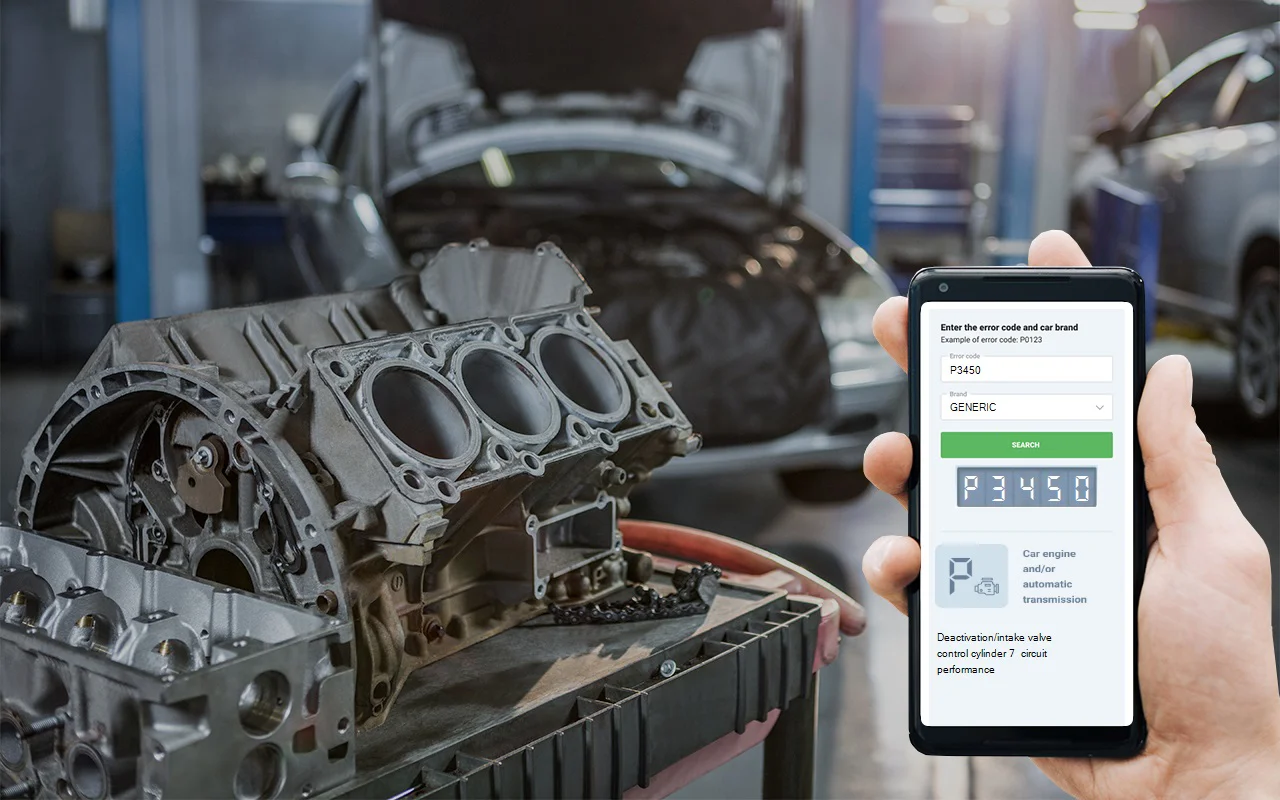
Causes and obd code P3450
From my experience in the shop, the most common reasons for a p3450 code are pretty consistent across Chevrolet, GMC, Cadillac, Chrysler, Dodge, and Jeep vehicles. Here’s what I usually see:
- Low engine oil pressure-often from low oil level, dirty oil, or a failing oil pump.
- Restricted or clogged oil passages-old oil or sludge can block the tiny channels that feed the lifters and solenoids.
- Mechanical issues inside the engine-like a sticking or worn-out lifter, or even a problem with the camshaft lobe for cylinder 7.
- Faulty cylinder deactivation solenoid (called VLOM on GM, MDS on Chrysler/Dodge/Jeep)-these can fail electrically or get stuck with debris.
- Wiring problems-broken, shorted, or corroded wires or connectors going to the solenoid.
- Poor electrical connections-loose or dirty plugs at the solenoid or control module.
In cases like this, it’s usually a combination of oil-related issues and electrical faults that trip the code. I recommend starting with the basics-oil and wiring-before digging deeper.
Symptoms to look for with a P3450 code
When this code pops up, the most obvious thing you’ll notice is the check engine light coming on. Sometimes, that’s all you’ll see. But depending on how bad the problem is, you might also feel the engine running a little rough, especially when the system tries to switch between V8 and V4 modes. Some folks report a drop in fuel economy, or even a slight ticking or tapping noise from the engine. In rare cases, if the lifter is really stuck, you could get a misfire or more noticeable engine vibration. But honestly, a lot of the time, it’s just that pesky warning light staring at you from the dash.

Diagnosis steps for a P3450 trouble code
Here’s how I tackle a p3450 trouble code, step by step. First, I always check the oil level and condition. Low or dirty oil is a surefire way to end up in trouble with these systems. If the oil looks dark or gritty, or if it’s low, change it with the correct grade and see if the code comes back. Next, I inspect the wiring and connectors going to the cylinder deactivation solenoid for cylinder 7. Look for any broken, frayed, or corroded wires, and make sure the connectors are clean and tight. It’s better to have someone assist you here-wiggle the wires while watching for any changes. If everything looks good, I’ll use a scan tool to command the solenoid on and off, checking for proper response. If the solenoid doesn’t click or respond, it may be faulty or clogged. Sometimes, I’ll check oil pressure with a gauge to make sure the engine is getting enough pressure to operate the system. If all else fails, I’ll inspect the lifters and camshaft for mechanical problems, but that’s a bigger job and usually not the first thing to jump to. Don’t forget to check for any related codes that might point you in the right direction-sometimes, a simple fix elsewhere solves the whole problem.
Common mistakes with a P3450 engine code
I’ve seen a lot of folks jump straight to replacing expensive parts without checking the basics. The biggest mistake is ignoring the oil-either running with old, dirty oil or not checking the level. Another common slip-up is overlooking wiring issues. People often assume the solenoid is bad, but it turns out to be a loose connector or a broken wire. Skipping a thorough visual inspection can cost you time and money. Also, don’t forget to clear the code and see if it comes back after each step-sometimes, a simple oil change is all it takes. Rushing into lifter or camshaft repairs without confirming oil pressure and electrical health is another pitfall I see too often.

Seriousness of ignoring obd2 code P3450
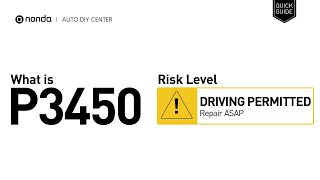
This isn’t something you want to ignore. While your car might seem to run okay at first, letting this slide can lead to bigger headaches. If the system can’t deactivate the cylinder properly, you risk damaging the lifters, camshaft, or even the solenoid itself. In the worst cases, you could end up with a misfire or internal engine damage, which is a serious hazard-especially if you’re out on the road and the engine starts running rough. The risks just aren’t worth it. Things can go south quickly if overlooked, so don’t put this off for later. Address it promptly to avoid expensive repairs down the line.
Repair options for dtc P3450
Here’s what I personally recommend for fixing a dtc p3450, based on what works in the field and what the OEMs say. Start with a full oil and filter change using the correct oil type-this alone can solve a lot of issues. Next, repair any damaged wiring or connectors you find going to the cylinder deactivation solenoid. If the solenoid itself is faulty or clogged, replace it. In some cases, cleaning out the oil passages can help, but if there’s a lot of sludge, you might need a deeper cleaning or even engine work. If you’ve got low oil pressure, check the oil pump and pressure relief valve. Only after all these steps would I consider inspecting or replacing the lifters or camshaft, since that’s a much bigger job. Always clear the code and test drive the vehicle to make sure the fix worked.

Conclusion
To sum it up, P3450 means your engine’s cylinder deactivation system isn’t working right for cylinder 7, usually because of oil or electrical issues. It’s not something to brush off, since ignoring it can lead to serious engine damage and safety risks. The best way forward is to start simple-check your oil, inspect the wiring, and only move to bigger repairs if needed. Acting quickly and methodically is the most reliable way to get your car back to running smoothly and safely.
 5454
5454 6 minutes of reading