
Causes of P3453 trouble code
After years under the hood, I can tell you there’s a usual lineup of suspects when P3453 shows up on Chrysler, Dodge, and Jeep engines running cylinder deactivation. Here’s what I look for first:
- Low engine oil pressure-if the oil isn’t flowing strong, those special valve lifters just won’t work right.
- Blocked oil passages-sludge or crud can choke off the tiny oil channels feeding the lifters and solenoids.
- Mechanical engine issues-think sticking or dead valve lifters, or just plain internal wear and tear.
- Bad cylinder deactivation solenoid-if one of these goes out, the system loses control of oil flow in a heartbeat.
- Wiring gremlins-broken, shorted, or corroded wires and connectors can mess up the whole solenoid circuit.
- Loose or dirty electrical connections-sometimes it’s as basic as a connector that’s seen better days.
Symptoms of dtc P3453
The first sign is almost always that annoying check engine light glaring back at you from the dash. Most folks don’t notice much else at first-sometimes the engine feels a little rough, especially when the system tries to switch between V8 and V4 modes. Every now and then, you might spot a small dip in fuel mileage or maybe a bit more vibration on the highway. But in all honesty, unless the issue gets worse, the check engine light is usually the only heads-up you’ll get.

Diagnosis process for obd2 code P3453
Here’s my go-to routine when a P3453 rolls into the bay:
- First thing’s first-check your engine oil. If it’s low or nasty, the whole system can act up. Top it off or swap it out if it looks bad.
- Next up, I scan for leaks or sludge around the cylinder deactivation solenoids and valve covers. Sometimes a good clean-up makes a world of difference.
- Then I get in close to inspect the wiring and connectors at the cylinder 7 deactivation solenoid. I’m on the lookout for snapped wires, loose plugs, or any corrosion. Having someone jiggle the harness while I watch for changes can save a ton of time.
- If everything looks good so far, I’ll grab the scan tool and try toggling the solenoid on and off. If it won’t play ball, it’s time to break out the multimeter to test for resistance and continuity at the solenoid.
- If the solenoid fails the test, I swap it out and retest. If it checks out, I go after oil pressure with a manual gauge-low numbers here can point to deeper engine issues or blocked oil feeds.
- If nothing’s fixed it yet, I’ll start thinking about mechanical trouble, like a stuck lifter-but only after I’ve ruled out the easy fixes.
Common mistakes when fixing P3453 engine code
A classic mistake I see-folks rush to swap the solenoid without ever checking oil levels or condition. That’s a quick way to throw good money after bad, especially if the real issue is just dirty or thin oil. Another thing: people often overlook wiring-corroded or loose connections can mimic a dead solenoid. Make sure you check both ends of the connector, and don’t forget to clear out any gunk in the oil passages before you start replacing parts. Skipping these simple steps usually circles you right back to the same problem.

How serious is a P3453 code
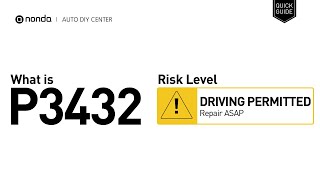
Don’t brush this one off. While your engine might seem to run fine for a bit, running with a busted cylinder deactivation system can snowball into serious problems. Low oil pressure or clogged passages can chew up valve lifters, put extra wear on the camshaft, or mess up the engine itself. Plus, with that check engine light on, your emissions system isn’t working right-which can mean a failed inspection. Trust me, letting this slide can get ugly fast, so jump on it before it turns into a wallet-buster.
P3453 repair solutions
Here’s what fixes a P3453 in my world:
- Top off or change the engine oil if it’s low or looks dirty.
- Flush out or repair clogged oil passages if you spot sludge.
- Fix any busted wiring or connectors at the cylinder 7 deactivation solenoid.
- Swap in a new solenoid if the old one fails the electrical checks.
- If you’re dealing with low oil pressure, chase down the root cause-could be the oil pump or just engine wear.
- In rare cases, you’ll need to replace a stuck lifter, but that’s after you’ve tried everything else.



Conclusion
So, to wrap things up, P3453 means your engine’s cylinder deactivation system has lost control of the exhaust valve on cylinder 7-most likely because of oil, solenoid, or wiring issues. Ignore it, and you’re flirting with bigger, pricier engine headaches. Your best move is starting with the basics: check your oil and wiring before diving into more expensive repairs. Tackle it early, and you’ll keep your engine humming and save yourself a lot of grief down the line.
 5045
5045 6 minutes of reading