
Main Causes of P3454
From experience, I can tell you that P3454 usually points to a hiccup in the cylinder deactivation system for cylinder 7’s exhaust valve. Most often, the issue is one of these:
- Low engine oil pressure (which the system relies on to function)
- Restricted or blocked oil passages (sometimes due to sludge or debris)
- Mechanical problems inside the engine (like a stuck or worn valve lifter)
- A faulty cylinder deactivation solenoid (the part that controls oil flow to the lifter)
- Wiring problems-open or shorted circuits in the solenoid harness
- Poor electrical connections at the solenoid or related connectors
It’s worth noting that on all the affected brands-Chrysler, Dodge, and Jeep-these are the main culprits I see in the shop.
P3454 Code Symptoms You May Notice
If you’ve ever had P3454 set off your check engine light, you know it can be a bit of a mystery at first. Sometimes, that warning light is the only sign. But I’ve seen plenty of cases where you’ll also notice the engine running rough, especially when the cylinder deactivation system tries to do its job. You might spot a dip in your fuel economy, a little extra vibration, or even catch a faint ticking from under the hood. Occasionally, if the situation gets worse, you’ll feel a noticeable loss of power or that annoying hesitation when you try to accelerate. Still, more often than not, it’s that stubborn check engine light that gives the first clue.

How to Diagnose P3454 Engine Code
Here’s how I usually go about tracking down P3454, step by step:
- First, I check the engine oil level and condition. Low or dirty oil is a surefire way to end up in trouble with this system. If it’s low, top it up with the correct type and see if the code returns.
- Next, I inspect the wiring and connectors at the cylinder deactivation solenoid for cylinder 7. Look for broken wires, loose plugs, or corrosion. It’s best to have someone assist you so you can wiggle the harness while watching for changes.
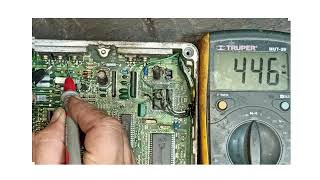
- Then, I use a scan tool to command the solenoid on and off, checking if it responds as it should. If it doesn’t, I’ll test the solenoid’s resistance with a multimeter-comparing it to the specs in the service manual.
- If the solenoid checks out, I move on to oil pressure. I’ll hook up a mechanical gauge to make sure the engine is making enough pressure, especially at idle and during cylinder deactivation mode.
- If oil pressure is good, but the problem persists, I’ll consider possible internal engine issues-like a sticking lifter or a blocked oil passage. Sometimes, this means pulling the valve cover for a closer look.
Don’t forget to check for any related codes that could point you in the right direction. It’s always better to rule out the simple stuff before diving into the deep end.
Avoiding Common obd code P3454 Mistakes
One classic mistake I see is folks immediately swapping out the solenoid without checking the oil first. Dirty or low oil can wreak havoc on this system, and it’s a quick fix if that’s the cause. Another misstep is ignoring the wiring-bad connectors or a break in the harness can be sneaky, but they’re easy to test if you take your time. And don’t underestimate the damage a clogged oil passage can cause; skipping that check is asking for trouble. I always tell people: start with the basics before reaching for your wallet.

How Serious is a P3454 Trouble Code
Don’t let this one linger. If you ignore P3454, you’re flirting with real engine damage-lifters, the camshaft, or even the solenoid itself can all get chewed up if oil pressure drops or passages clog. Plus, the cylinder deactivation system can’t do its job, so you’ll burn more fuel and the engine will run rough. Problems can snowball quickly, so knock this one off your list sooner rather than later.
Repair Steps for dtc P3454
When I’m fixing a P3454, here’s the order I usually follow, depending on what the root cause turns out to be:
- Swap the engine oil and filter if they’re dirty or the wrong grade-sometimes that’s all it takes to get things working again.
- Repair or replace any bad wiring or corroded connectors at the solenoid.
- If the solenoid for cylinder 7 is bad, out it goes and a new one goes in.
- Clean out any sludge or debris you find clogging up oil passages.
- Dealing with a stuck or damaged lifter? That’s more involved and might mean tearing into the valve train or replacing the bad parts.
My rule of thumb: always tackle the easy fixes first, then move to the deeper engine work if you have to.



Conclusion
Bottom line-P3454 means there’s trouble with cylinder 7’s exhaust valve control in the deactivation system. Ignoring it can lead to a world of engine problems. My advice? Always start with the simple stuff: check your oil, look over the wiring, and test the solenoid. Most of the time, you’ll catch the issue early and save yourself a lot of hassle. Fast action keeps your engine healthy and your wallet happier.
 3648
3648 6 minutes of reading